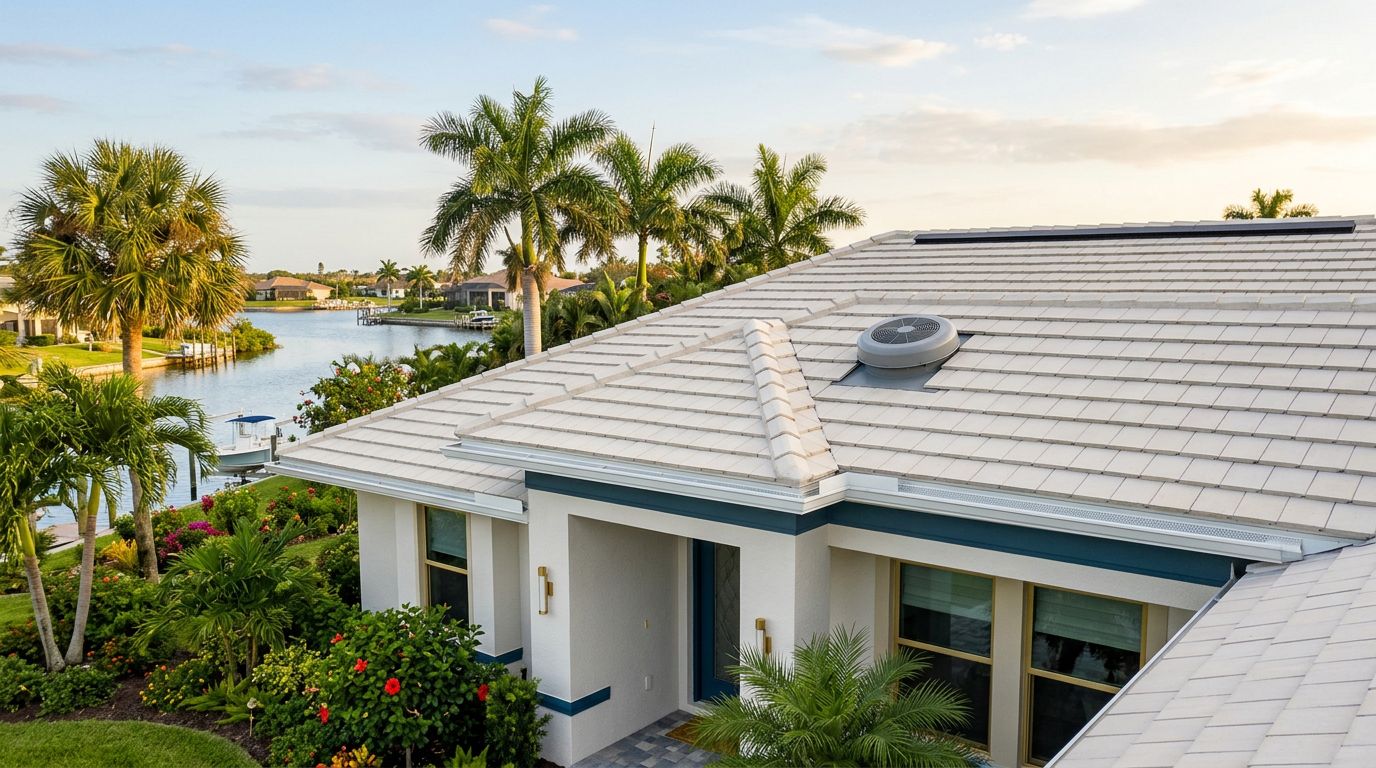
Cape Coral Termite Pretreatment Cost for New Homes in 2026

A termite treatment can be one of the smallest line items in a new home budget, but it protects one of the biggest investments you'll make. In Cape Coral, that matters more than most places because subterranean termites are part of the local picture, and new construction gives you a short window to treat the soil before everything gets sealed up.
For 2026, most homeowners can expect a termite pretreatment cost of about $1,000 to $2,000 for a standard new build, with smaller jobs lower and larger homes higher. The final number depends on the slab size, site access, and how much of the foundation gets covered.
What Cape Coral homeowners pay in 2026
A realistic local planning range is $200 to $2,500 total . Smaller homes or simple foundations may land near the low end, while larger or more complex builds can run higher. Many Cape Coral new homes still average around $1,500 , which is a solid number to keep in mind when you are setting a budget.
Most companies price this work by foundation area, not by bedroom count. That matters because a compact floor plan with a wide footprint can cost more than a taller home with less slab area. A common pricing shortcut is about $0.10 to $0.25 per square foot of treated area.
| Home type | Typical 2026 pretreatment cost | What usually changes the price |
|---|---|---|
| Small or simple new build | $200 to $800 | Small slab, easy access, limited perimeter |
| Average Cape Coral home | $1,000 to $2,000 | Standard slab size and normal site access |
| Large or complex home | $2,500 or more | Bigger footprint, extra penetrations, more labor |
| Tight or tricky site | Varies | Poor access, wet soil, added trench work |
If a quote lands far outside those ranges, ask for the reason in writing. A higher price can make sense on a large lot or a tricky foundation, but the scope should be clear.
Why pretreatment has to happen before the slab is finished
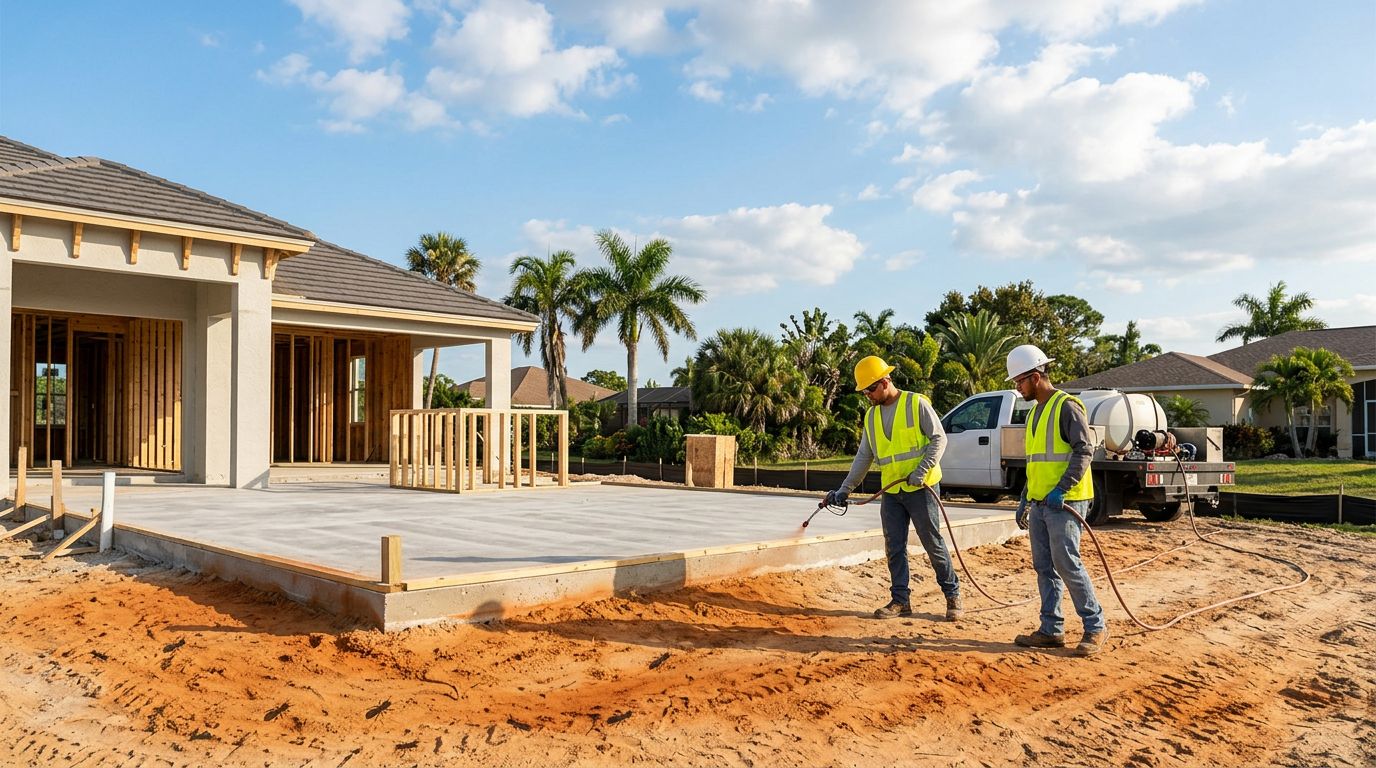
Termites live in the soil, and that is why timing matters. Once the slab is poured, the walls go up, and the finishes are in place, access to the foundation gets much harder. Pre-construction pretreatment creates a barrier when the soil is still open and reachable.
The treatment has to reach exposed soil
Crews usually treat the soil, trench edges, and key areas around plumbing or foundation penetrations while the site is still open. That step happens before the slab and final build stages close everything off. If the work waits too long, the pest company may lose access to the spots that matter most.
For a new home, that early window is the whole point. The goal is to protect the structure before the house becomes hard to reach from the outside.
Cape Coral conditions make the timing matter even more
Cape Coral homes face warm weather, moisture, and sandy soil. Those conditions are part of why subterranean termites stay on every builder's radar here. Slab-on-grade construction also means the foundation is sitting close to the soil, which gives termites a direct path if the home is not protected.
If you're still mapping the build schedule, the home building process shows where this step fits before framing and finishes. When pretreatment is planned early, it fits neatly into the rest of the job instead of becoming a delay.
What changes termite pretreatment cost
Several details shape the final price, and a quote without them is hard to compare. A basic quote might sound low at first, then rise once the full scope is clear.
- Foundation size and shape affect labor and product use. A larger slab needs more treatment, and a home with more corners, bump-outs, or attached spaces takes more time.
- Site access can raise the bill. Tight lots, stored materials, standing water, or uneven fill soil make the work slower.
- Coverage areas matter. Some prices include only the main slab perimeter, while others also cover garages, porches, lanais, and plumbing penetrations.
- Treatment method can change the total. Different products and application styles have different labor needs.
- Warranty terms may add cost. Longer coverage, follow-up inspections, or re-treatment language can change what you pay up front.
A cheap quote is not always the best value. If one company leaves out the garage or porch, you may pay more later. That matters in Cape Coral, where many new homes have attached outdoor living areas that need to be part of the plan.
Questions to ask before you approve the work
A clear quote should tell you what gets treated, when it happens, and what is excluded. If it doesn't, ask before the foundation stage starts.
- Does this price cover pre-construction soil treatment or only a later service?
- Is the quote based on square footage, linear feet, or a flat rate?
- Which areas are covered, including the garage, porch, and lanai?
- Will the work happen before the slab pour and before framing closes off access?
- What kind of warranty or re-treatment plan comes with the job?
- Will the pest company coordinate with the builder so the schedule stays on track?
These questions help you compare bids on the same terms. They also keep you from paying for a partial job that looks complete on paper.
If you're still choosing a builder, new home construction services should spell out how site prep, permits, and pest treatment fit into the schedule. That kind of coordination saves time and avoids last-minute surprises.
What Cape Coral buyers should budget for
For most new homes in Cape Coral, a fair 2026 budget is about $1,000 to $2,000 , with a planning number near $1,500 for a typical build. Smaller homes can cost less, and larger or more complex projects can climb higher.
The most important part is timing. Termite pretreatment works because it goes in before the slab, before the walls, and before access gets tight. A written scope, a clear price, and a well-timed application matter more than chasing the lowest bid.


Get a Free Estimate
Considering building a new home in Southwest Florida or remodeling your current home to make it your dream house? Contact us today to start the planning process.
Fill out the form or call (239) 565-9486