
Attic Ventilation Cost Cape Coral: 2026 Guide
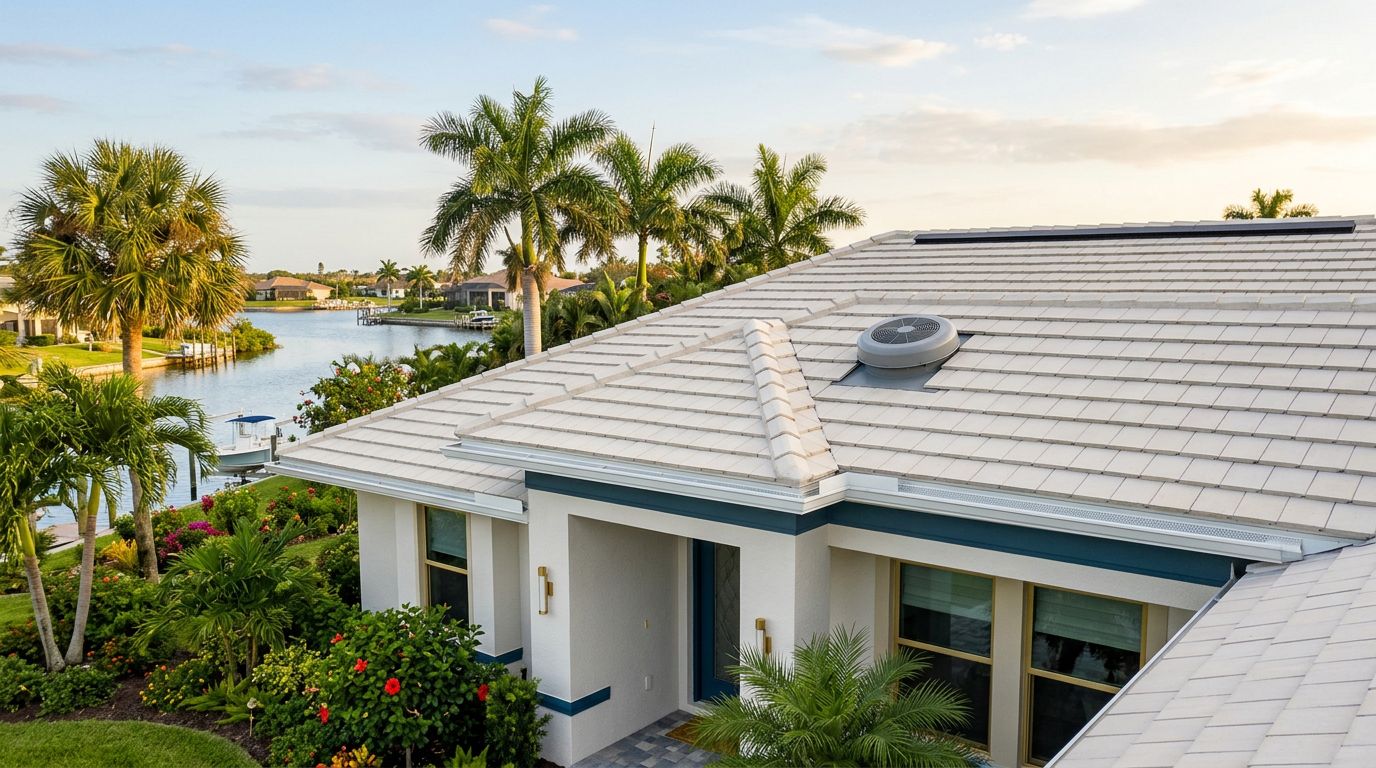
Cape Coral attics face intense heat, high humidity, heavy rain, and long cooling seasons. If you're comparing attic ventilation cost Cape Coral homeowners may pay in 2026, plan on several hundred dollars for simple passive vents and roughly $500 to $2,000 for many complete ventilation upgrades.
The final quote depends on your roof design, attic size, existing soffit vents, electrical access, and whether the project includes repairs or insulation. A low-cost fan installation can become a larger attic improvement when the roof has poor intake airflow or moisture damage.
Attic Ventilation Cost Cape Coral Homeowners Can Expect
Most Cape Coral attic ventilation projects fall between $300 and $2,000 , although complex work can reach approximately $3,000. That broader range includes passive roof vents, ridge and soffit systems, gable vents, powered fans, electrical work, and difficult roof access.
A basic ridge vent may cost around $300 to $650 installed. Larger roofs, added intake vents, shingle removal, or roof repairs can push the price closer to $1,200. A small soffit vent installation may cost $150 to $600, depending on how many vents the attic needs.
Here are useful 2026 planning ranges for Cape Coral homeowners:
| Ventilation project | Typical installed range |
|---|---|
| Ridge vent | $300 to $650 |
| Larger or complex ridge vent system | $650 to $1,200 |
| Soffit vent installation | $150 to $600 |
| Box or static roof vent | $180 to $700 |
| Standard attic fan | $300 to $900 |
| Higher-end powered fan project | Up to about $2,200 |
| Complete ventilation upgrade | $500 to $2,000 or more |
These figures are budget ranges, not guaranteed prices . A contractor may price labor by the hour, by the vent, or as a complete roof scope. Published labor benchmarks commonly fall near $75 to $225 for attic vent installation, while electrical labor can add more when a new circuit, switch, wiring, or roof-mounted connection is needed.
Solar attic fans require extra caution when comparing estimates. One Cape Coral cost model lists roughly $481 to $1,073 per unit, while its calculated average reaches $2,700 after markup and project costs. That wide difference shows why you should ask whether a quote covers one fan, the full system, electrical work, roof flashing, controls, and labor.
What Changes the Price of Attic Ventilation in Cape Coral?
The roof and attic determine much of the cost. A simple one-story home with open soffits and a short ridge may need only a modest passive ventilation upgrade. A home with multiple roof sections, limited intake space, or a finished attic requires more planning and labor.
Roof access is one of the first cost factors. Tile roofs, steep slopes, fragile materials, and crowded rooflines take more time than standard asphalt shingles. Contractors may also need to remove and replace roofing materials to install a ridge vent correctly.
The attic's intake airflow matters just as much as the exhaust vent. A powered fan cannot work well if fresh air can't enter through the soffits or another approved intake path. If intake vents are blocked by insulation, paint, bird nests, or older construction, the contractor may need to clean, open, or add ventilation before installing the exhaust component.
Electrical access affects powered systems. A wired attic fan may need a new connection, exterior-rated components, a thermostat, or work near existing HVAC equipment. Solar fans avoid some indoor wiring, but the roof penetration, mounting location, flashing, and panel position still affect labor.
The condition of the roof also matters. Water stains, rotted decking, damaged soffits, mold-like growth, or deteriorated flashing should be addressed before new vents go in. Installing ventilation over an active leak can hide the source while the damage continues.
Cape Coral's coastal conditions deserve attention, too. Ask what materials the contractor plans to use and whether the vent components are suited to heat, moisture, wind, and salt exposure. The least expensive part may not be the best choice if it requires early replacement.
Which Ventilation System Fits Your Home?
Passive systems usually cost less and have fewer mechanical parts. A ridge vent runs along the roof peak and allows hot air to leave through the highest point. It works best when paired with clear soffit intake vents, creating a continuous airflow path through the attic.
Static box vents are another passive option. They work through natural air movement and often cost less than a powered system. However, several vents may be needed on a larger roof, and the placement must support balanced airflow rather than create isolated areas.
Soffit vents provide intake air rather than exhaust. They are often part of a larger system, not a complete solution by themselves. If your home has a ridge vent but little intake ventilation, adding soffit vents may improve the system more than installing another exhaust fan.
Gable vents can help homes with suitable gable walls and attic layouts. Their effectiveness depends on location, roof geometry, wind exposure, and whether the attic has competing ventilation paths. A contractor should inspect the whole attic before recommending them.
Powered attic fans use electricity to move hot air. They may help in some homes, but they also require careful placement and wiring. If ceiling air leaks are present, a powerful fan can pull conditioned indoor air into the attic. That can increase cooling demand and bring humid air through gaps around lights, ducts, wiring, and access hatches.
Solar attic fans can reduce dependence on household electricity, but they still require roof work and have a higher equipment cost than basic passive vents. Their output also changes with sunlight, so the contractor should evaluate whether the fan will support the home's ventilation needs.
A balanced system needs both intake and exhaust airflow. Adding an exhaust fan without enough intake air can produce disappointing results.
What Is Included in a Cape Coral Ventilation Quote?
A clear quote should identify the exact equipment, the number of vents, labor, roof access, flashing, fasteners, sealants, cleanup, and any electrical work. Ask whether the contractor will inspect the existing soffits and attic before recommending a vent type.
Basic passive work may include cutting the roof or soffit, installing the vent, sealing the opening, replacing roofing materials around the penetration, and removing job debris. However, roof repairs, decking replacement, soffit reconstruction, and mold remediation often cost extra.
A powered fan quote may include the fan, thermostat, mounting, roof flashing, wiring, and connection to an existing circuit. It may exclude permits, electrical panel work, attic access repairs, and replacement of damaged insulation.
Ventilation and insulation should be priced separately. Attic insulation can cost about $1,800 to $4,600 for a 2,500-square-foot Cape Coral attic. Removing old insulation may add approximately $500 to $2,000, while full removal and re-insulation can reach $2,500 to $6,000.
For more detail on the insulation side of the project, review these Cape Coral home insulation options. Insulation, air sealing, HVAC sizing, and ventilation need to work together, especially in a humid climate.
A contractor should also explain whether the estimate includes air sealing. Sealing ceiling penetrations can improve attic performance, but it isn't the same work as installing vents. If the quote combines both services, make sure each item has its own price.
When Should You Upgrade Attic Ventilation?
Look for signs that heat or moisture is affecting the attic. Common clues include musty odors, damp insulation, rusted nails, peeling roof sheathing, stained ceilings, unusually hot upstairs rooms, and high cooling bills during summer.
After a storm, inspect the attic if it's safe to do so. Wind-driven rain can enter through damaged roof vents, loose flashing, or missing shingles. A new vent won't solve storm damage unless the roof opening and surrounding materials are repaired correctly.
Older Cape Coral homes may also have ventilation layouts that don't match current renovation plans. Adding a new roof section, enclosing a lanai, finishing attic space, replacing soffits, or changing insulation can alter airflow. The ventilation plan should be reviewed before the work begins.
If your attic needs insulation at the same time, coordinate both jobs. Air sealing generally comes before new insulation, while the contractor should keep soffit intake paths open. Infinity Homes' drywall and insulation services can be relevant when an attic project connects with ceiling, wall, or interior remodeling work.
Homeowners planning a new build should address ventilation during design rather than treating it as a later repair. Roof shape, soffit depth, attic access, insulation type, and HVAC placement all affect the finished system. A new construction plan can also avoid the added labor of cutting into completed roofing.
How to Compare Attic Ventilation Estimates
Ask at least two licensed contractors to inspect the attic and roof rather than quoting from photographs alone. The estimates should describe the same scope so you can compare them fairly.
Ask these questions before choosing a contractor:
- Which vents provide intake air, and which vents exhaust hot air?
- How many linear feet of ridge vent or soffit vent will be installed?
- Does the price include roof flashing, sealant, shingles, wiring, and cleanup?
- Will the contractor inspect for leaks, damaged decking, or blocked intake vents?
- Are permits or electrical inspections required for this project?
- What work is excluded from the estimate?
- How will the new ventilation system interact with existing insulation and HVAC ducts?
Be careful with estimates that recommend multiple powered fans without discussing intake airflow. Also question unusually low prices that exclude roof repairs, electrical connections, or disposal. The right comparison is based on the completed system, not the fan or vent price alone.
For many homes, a balanced passive ridge-and-soffit setup offers a practical starting point. Powered or solar equipment may make sense when the attic layout calls for it, but the contractor should explain the reason, expected operating conditions, and total installed cost.
Conclusion
For 2026, the attic ventilation cost Cape Coral homeowners should plan for is usually $300 to $2,000, with simple passive work near the lower end and powered, solar, or repair-heavy projects costing more. Ridge vents often fall near $300 to $650, while complete upgrades can rise when intake vents, electrical work, insulation, or roof repairs are included.
The strongest quote will show how air enters the attic, how hot air leaves, and what happens to existing insulation and roof materials. A balanced ventilation plan can help protect the attic, but it must fit the home's roof, moisture conditions, and cooling system.
Get a Free Estimate
Considering building a new home in Southwest Florida or remodeling your current home to make it your dream house? Contact us today to start the planning process.
Fill out the form or call (239) 565-9486