Cape Coral Notice of Commencement Explained for Homeowners

A big home project in Cape Coral can hit a wall before the first truck arrives if one form is missing. The Cape Coral notice of commencement is one of those forms, and many homeowners do not hear about it until permit day.
If you are replacing a roof, adding a pool, or remodeling a large part of the house, this paper can affect how the job starts and how payment notices move through the system. It also helps keep the public record clear about who owns the property and what work is happening.
Here is what it means, when it usually comes up, and what Cape Coral and Lee County homeowners should check before they sign anything.
What a Notice of Commencement Means in Plain English
A notice of commencement is a public record filed before certain construction work begins. It tells the county, the contractor, and other people on the job who owns the property, where it is, and what work is planned.
In simple terms, it is the job's official starting flag. The form is usually filed after the permit is issued and before work starts. It is recorded in the county's official records, which means it becomes part of the public paper trail.
That paper trail matters because construction jobs can involve several people. The general contractor may hire subs, and suppliers may deliver materials. A notice of commencement helps those parties know where to send required notices.
A lien is also part of the picture. A lien is a legal claim against property for unpaid work or materials. The notice helps create a cleaner record if payment questions come up later.
A notice of commencement is the public record that helps connect the property, the permit, and the work.
When Cape Coral Homeowners Usually Need One
Homeowners often run into this form on bigger projects, not small cosmetic fixes. A paint job rarely brings it up. A project that changes structure, plumbing, electrical work, or square footage is more likely to trigger it.
That is why the form shows up on jobs that feel more like construction than simple repairs. If your project is close to a full redesign, such as bathroom remodeling services , the paperwork can move beyond a basic permit.
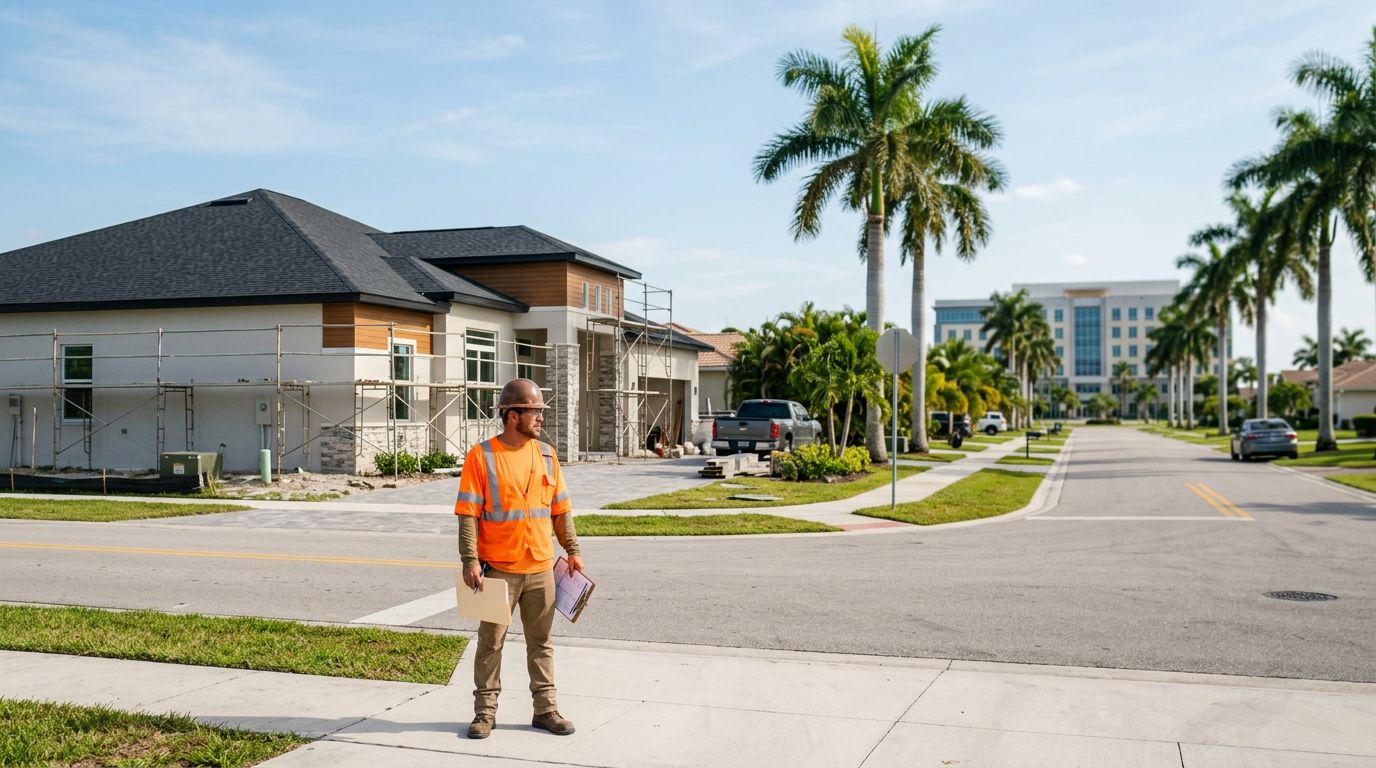
The same is true for larger additions and new builds. If the work looks a lot like custom new home construction solutions , the recordkeeping usually gets more formal.
Here are common Cape Coral projects where a notice of commencement may be needed:
| Project type | Why it may trigger the form | Homeowner takeaway |
|---|---|---|
| Roof replacement | Full reroofs often need permits and a clear project record | Ask before work begins, especially after storm damage |
| Pool installation | Pools involve permits, inspections, and multiple trades | Expect more paperwork than a simple repair |
| Major remodel | Layout changes, plumbing, or structural work can bring the form into play | Check if the remodel changes the home's footprint or systems |
| Addition | Adding bedrooms, living space, or a garage usually creates a bigger permit trail | Treat it like a construction project, not a small update |
The exact trigger can change based on the scope of work and current local rules. That is why it helps to ask the permitting office before the first day on site.
Why the Form Matters to Homeowners
The notice is not just a formality. It affects how the job is tracked and how payment notices are handled.
First, it helps suppliers and subcontractors know where to send notices. If a contractor does not pay them, they may still have rights under Florida construction law. The notice helps those rights line up with the right property.
Second, it can protect you from surprise disputes. When the job has a clear start date and public record, everyone has a better path to follow. That can matter if a bill goes unpaid somewhere down the chain.
Third, it can affect inspections and closing paperwork. Some permits are not ready for the next step until the county has the recorded notice on file. That is one reason a project can sit still even when the crew is ready to work.
For homeowners, the main point is simple. This form makes a large project feel official because the county can see it, the contractor can reference it, and the record is easier to follow.
How Filing Usually Works in Lee County
The basic order matters. The permit usually comes first, then the notice gets recorded, and then the work begins. If the project starts too early, the paperwork can cause delays.
Details that usually go on the form
Most forms ask for the same core information. Homeowners should expect to provide:
- The property owner's name.
- The job address and the legal description of the property.
- The contractor's name and contact details.
- The lender's name, if there is one tied to the project.
- The type of work being done.
- The name of the person who signed the form.
A legal description is not the same as a mailing address. It is the exact property description used in county records. That detail needs to match the official record, so it is one of the easiest places for errors.
The form also needs to be signed correctly. In most cases, that means signing in front of a notary. Then it gets recorded with the county's official records office. After that, the homeowner or contractor may need to post a copy on site and give copies to the right office for inspections.
If you are working with a builder, ask early who will handle the recording and who will keep the stamped copy. That one conversation can save days later.
Because forms and procedures can change, check the current instructions with the Lee County or City of Cape Coral permitting office before filing. A form that was accepted last year may not be the same one used now.
Common Mistakes That Slow a Project Down
Small paperwork mistakes can create big delays. A homeowner may not notice them right away, but the permit office will.
One common problem is filing too late. If work starts before the notice is recorded, the project can run into inspection issues or payment disputes. Another issue is using an old form. Local offices update forms from time to time, and an outdated version may get rejected.
Missing information causes trouble too. A wrong legal description, a missing contractor name, or an unsigned form can stop the filing. So can a missing notary seal. Those details seem small, but the county treats them as required pieces.
Another mistake is assuming the form is only for huge commercial jobs. In Cape Coral, many residential projects bring it up, especially after storm damage or when the work changes the home in a real way.
A final problem is not keeping a copy. Homeowners should hold onto the recorded version, since it may be needed for inspections, payment questions, or future record checks.
A Simple Example of How It Works
Picture a Cape Coral homeowner replacing a roof after a storm. The contractor pulls the permit, the owner signs the notice of commencement, and the form gets recorded before the crew starts tearing off shingles.
Now picture a bathroom remodel that changes plumbing and layout. The project is no longer just new tile and paint. It looks more like a construction job, so the paperwork may need the same kind of attention. That is why homeowners planning work like bathroom remodeling services should ask about permit and filing steps early.
The pattern is the same for a pool or a room addition. The bigger the scope, the more important it becomes to get the public record right before the first day of work.
Conclusion
A Cape Coral notice of commencement is one of those forms that seems small until it stops a project. For homeowners, the main job is simple: know when a larger permit needs it, make sure the details match the property record, and file it before work begins.
Roof replacements, pools, remodels, and additions often bring it into play. Because local procedures can change, the safest move is to confirm the current filing steps with the Cape Coral or Lee County permit office before the project starts.
This is general information only, not legal advice. For any specific project, check the current local rules and talk with the office handling your permit.


Get a Free Estimate
Considering building a new home in Southwest Florida or remodeling your current home to make it your dream house? Contact us today to start the planning process.
Fill out the form or call (239) 565-9486