Cape Coral 50 Percent Rule for Storm-Damaged Homes

Cape Coral 50 Percent Rule for Storm-Damaged Homes

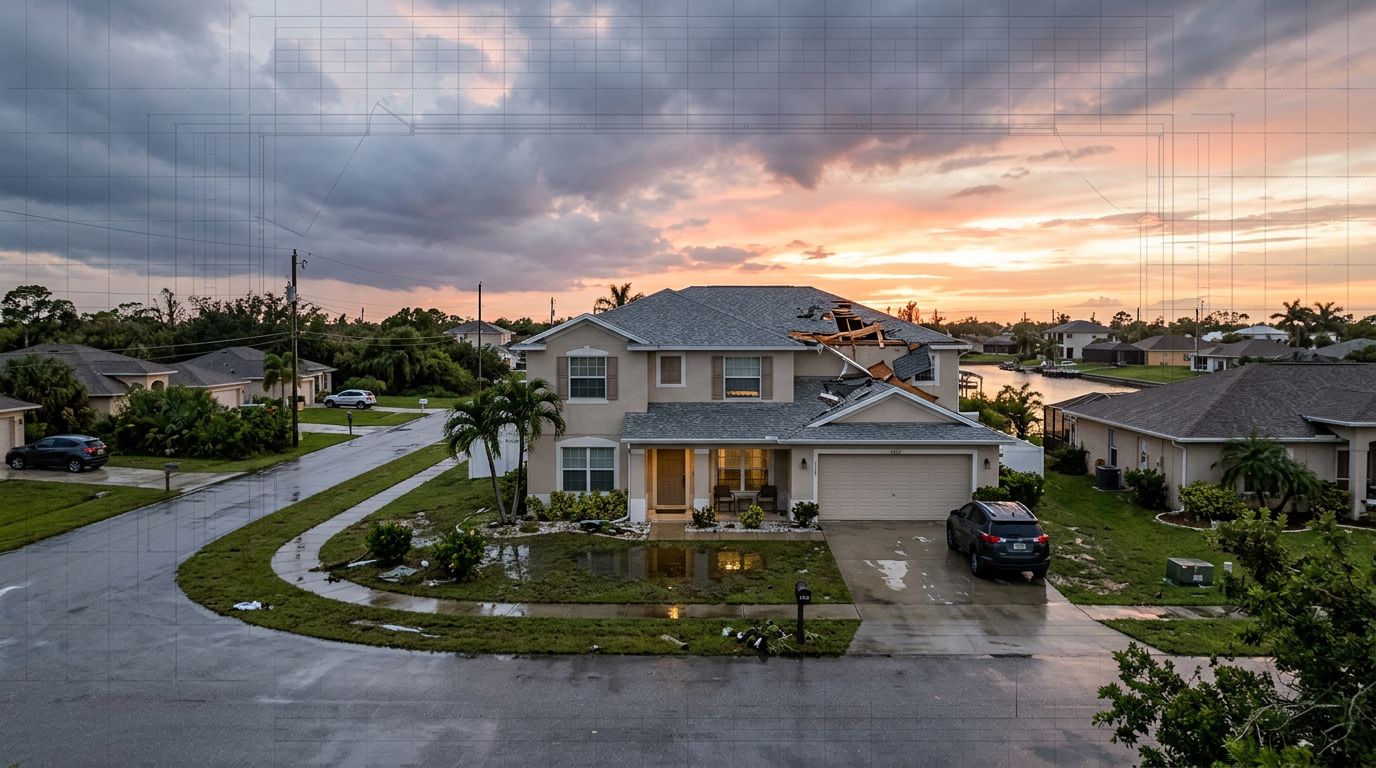
After a big storm, the hardest part is not always the damage itself. It's figuring out whether you can repair what you have or whether the city will treat the home as a much bigger project.

In Cape Coral, the 50 percent rule can change that answer fast. Once repair costs cross the threshold tied to the home's value, the job may move from patching and renovating to rebuilding under current flood and building rules.

That matters when you're standing in a wet house, looking at a roof leak, broken drywall, or water-soaked floors. Here's how it works in plain English.

What the Cape Coral 50 percent rule means in plain English

You may hear this rule called substantial damage or substantial improvement . The idea is simple, even if the paperwork is not. If the cost to repair storm damage is more than half of the home's value, the project can trigger full compliance with current code requirements.

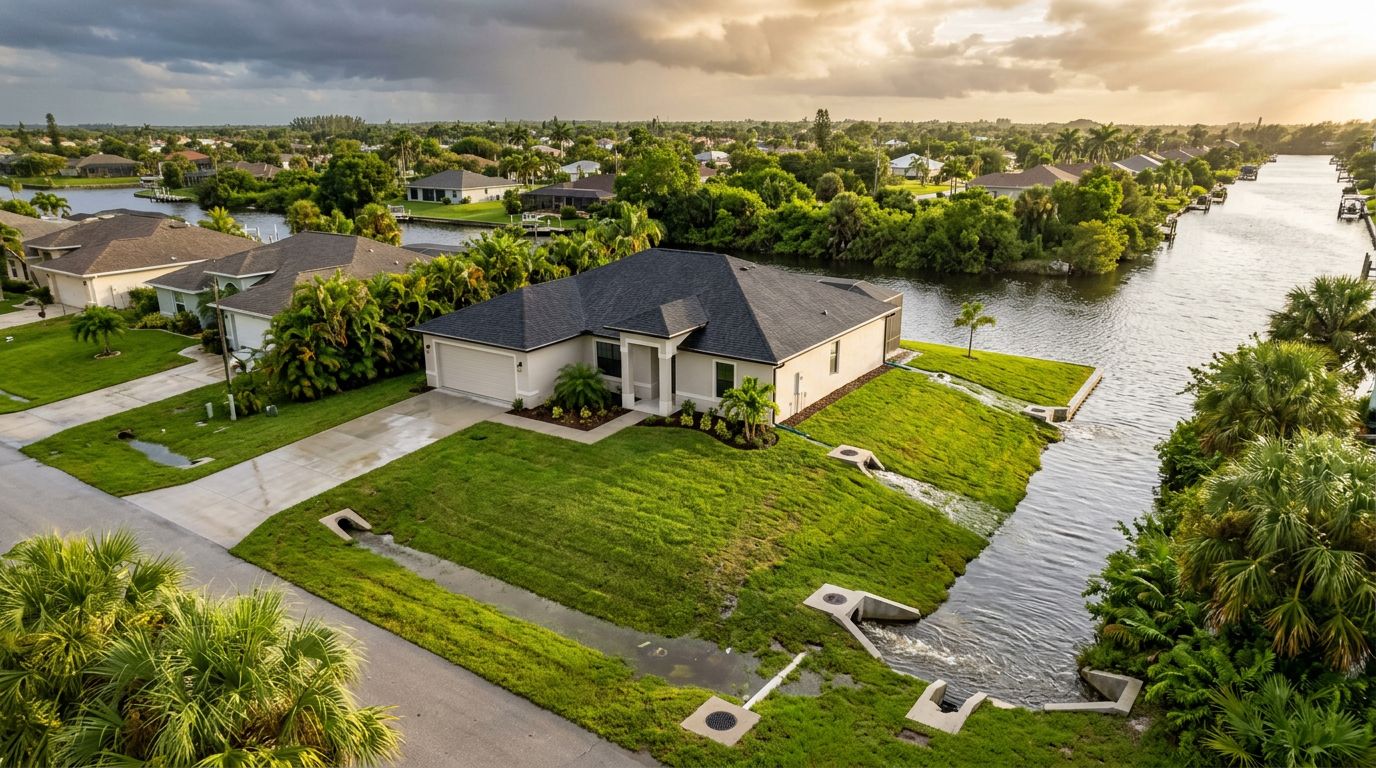
In many cases, that means more than a normal repair. The home may need to meet today's floodplain and elevation rules, not the rules that were in place when it was built. If the property is in a flood zone, the rebuild may need to sit above the Base Flood Elevation, which is the minimum height used by local flood maps.

The exact threshold, valuation method, and code interpretation can depend on current local ordinances, floodplain requirements, and permit review. That's why two homes with similar damage can end up with different outcomes.

The number that matters most is not how bad the damage looks. It's how the repair cost compares with the value the city uses for review.

That is also why a quick guess can lead to trouble. A house that looks repairable from the street may still cross the line once hidden damage is added in.

How the damage calculation usually gets measured

The Cape Coral 50 percent rule starts with a value test. The city or permit reviewer looks at the damaged structure's value, then compares it with the cost of restoring it. That value is not always the same as your insurance payout or tax bill.

Here are the pieces that usually matter:

Factor Why it matters Common mistake
Home value It sets the 50 percent line Using insurance money instead of the reviewed value
Repair estimate It shows the true project size Leaving out demo, labor, or hidden damage
Code-required work It can raise the total fast Assuming only visible damage counts
Permit review It confirms how the rule is applied Guessing before the city reviews the scope

Labor, materials, demolition, and some required upgrades can all affect the total. So can structural repairs, roof work, electrical fixes, and other storm-related items that are part of the permit.

The city also changed its local approach in late 2024 by removing the five-year look-back that had been used in older reviews. That made the calculation simpler in many cases, but it did not remove the need for a careful current review.

If your project is close to the line, one extra repair can change the outcome.

Repair, elevate, renovate, or rebuild?

The right path depends on three things, the damage, the value, and the flood rules that apply to your lot. A small job may stay a repair. A larger one may turn into a full rebuild with elevation requirements.

Here's a quick side-by-side look.

Option Best fit What it usually means
Repair Damage is clearly below the threshold Fix the storm damage and keep the home mostly as it is
Renovate The structure is sound, but the home needs updates Combine damage repair with layout, finish, or safety upgrades
Elevate Flood rules or repeated flooding make height a concern Raise the home or finished floor to meet current requirements
Rebuild Damage crosses the line or the home needs too much correction Start fresh with a new structure that meets current code

A repair can make sense when the damage is limited and the home sits well below the threshold. A bigger hurricane renovation may work better when the frame is solid, but the house needs major work inside and out. If the project is already large, storm damage repair and renovation can be a cleaner path than piecemeal fixes.

Roof damage often changes the math faster than owners expect. Once you factor in decking, underlayment, flashing, and related tie-in work, the scope can grow. That is why hurricane-resistant roof replacement options are worth reviewing early, especially when the home already needs other storm repairs.

Why roofs, openings, and elevation can shift the decision

A storm rarely damages only one part of a house. Water gets in through a roof, then moves into insulation, drywall, cabinets, trim, and flooring. Wind can also damage windows, doors, soffits, and exterior finishes. Once those systems are affected, the project can move beyond surface repair.

That is where the 50 percent rule starts to matter in a practical way. A homeowner may begin with a roof patch and end up facing a much larger scope. A window replacement may seem small, but if the home also needs wall repair, electrical work, and flood-related upgrades, the total can climb quickly.

Elevation is another major factor. In flood-prone areas, a rebuild may need to sit higher than the old house. That can change the foundation, stairs, entry height, utility placement, and even the way the home uses the lot. It is not a small add-on. It changes the whole plan.

For some owners, a rebuild sounds bigger than they want. For others, it is the cleaner choice because it solves several problems at once. If the old home had repeated water issues, poor layout, or outdated systems, a full rebuild can make more sense than trying to save every part of it.

The key is to compare the real scope, not the first guess. A home that needs strong windows, a new roof, new walls, and elevation work is already partway into a major project. At that point, the repair versus rebuild choice starts to look different.

What to do after storm damage in Cape Coral

The safest way to handle the rule is to slow down before you commit money to the wrong scope. A clear plan helps you avoid repairs that have to be redone later.

  1. Document the damage with photos and notes before cleanup starts.
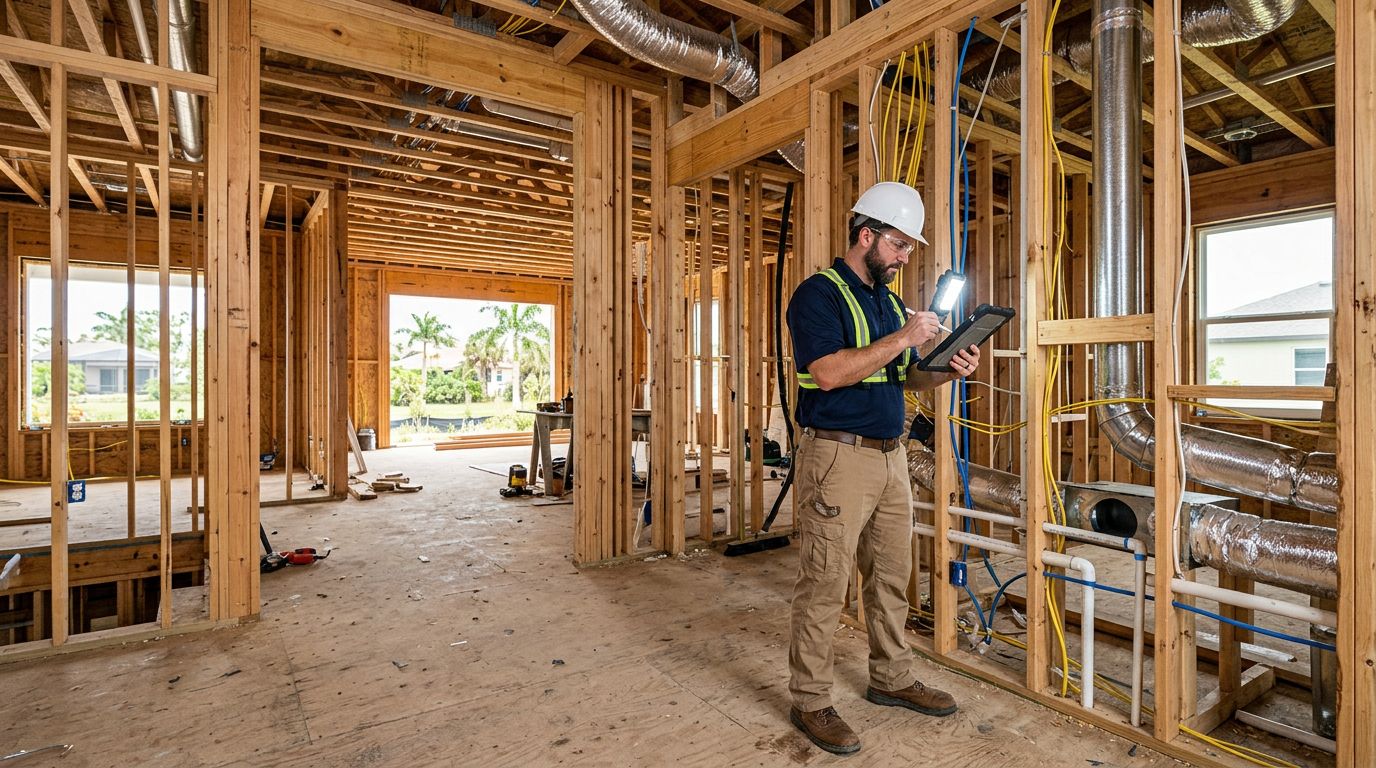
  2. Get a detailed estimate that separates visible damage from structural and code-related work.
  3. Ask how the home's value will be reviewed for permit purposes.
  4. Confirm whether flood zone rules, elevation requirements, or other code items change the project.
  5. Compare repair, renovation, elevate, and rebuild costs before you sign off on the first plan.

When the numbers are close, a full project estimate matters a lot. Budgeting for hurricane home renovations helps you see the size of the job before you commit to a path that may not fit the rule.

A strong estimate should tell you more than just a price. It should show what gets repaired, what gets replaced, and what the city may expect if the work crosses the 50 percent line.

Conclusion

The Cape Coral 50 percent rule can feel like a hard stop, but it is really a decision point. Once you understand how value, repair cost, flood rules, and permit review fit together, the path becomes clearer.

For some homes, the answer is a focused repair. For others, the smarter move is a larger remodel, elevation work, or a full rebuild under current code. The best choice is the one that fits the numbers and the rules before you spend money twice.

When storm damage is on the table, the smartest first step is a careful review of scope, value, and code. That single check can save time, stress, and a lot of avoidable rework.

By Infinity Homes June 11, 2026
A permit delay can slow a project long before the first wall comes down. In Cape Coral, that delay can cost time, money, and a lot of patience. The permit expeditor cost is usually small compared with the pain of a stalled remodel, but it changes fast when the job gets bigger....
By Infinity Homes June 10, 2026
Framing is the skeleton of a house, and in Cape Coral, that skeleton has to handle heat, wind, and strict code requirements. Because of that, the framing number can move more than many homeowners expect. For 2026, a fair planning range for Cape Coral framing cost is about $9 t...
By Infinity Homes June 9, 2026
A big home project in Cape Coral can hit a wall before the first truck arrives if one form is missing. The Cape Coral notice of commencement is one of those forms, and many homeowners do not hear about it until permit day. If you are replacing a roof, adding a pool, or remodel...
By Infinity Homes June 7, 2026
A lot can look buildable on paper and still fail once the setback lines are drawn. That is why Cape Coral setback rules matter before you buy land or lock in a floor plan. In 2026, the city's current code, zoning district, easements, and waterfront conditions all shape where a...

Get a Free Estimate

Considering building a new home in Southwest Florida or remodeling your current home to make it your dream house? Contact us today to start the planning process.


Fill out the form or call (239) 565-9486

GET PROFESSIONAL HELP