
Cape Coral Roof Replacement Guide, shingle vs tile, underlayment types, and what hurricane ratings mean
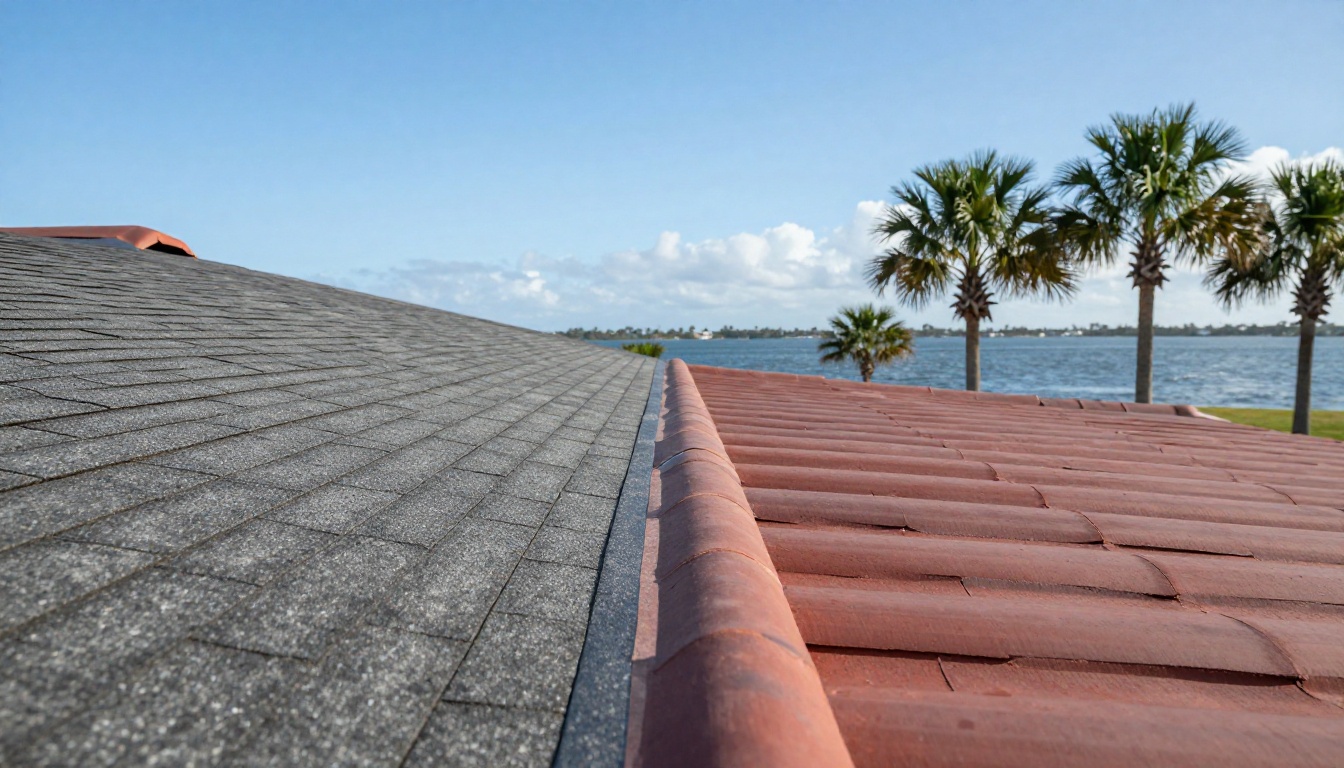
If you’re planning a Cape Coral roof replacement , you’re not just picking a color and a material. You’re rebuilding the top “shell” of your home in a place where sun, salt air, and hurricane winds all take a turn at testing it.
The good news is you can make smart choices without becoming a roofing expert. This guide breaks down shingle vs tile, the underlayment options that matter in Southwest Florida, and what hurricane wind ratings actually mean once the roof is installed.
Start with Florida Building Code and Cape Coral permitting realities
In Cape Coral, reroofing is tightly tied to the Florida Building Code (FBC) and local enforcement. Permits are normal here, and for good reason. A permitted job creates a paper trail that helps with inspections, insurance, and resale.
A few code realities to know going in:
- The 25% rule : If more than 25% of the roof area is repaired or replaced within a 12-month period, it’s typically treated like a full reroof under the FBC, and the roof system must be brought up to current code. Don’t guess, confirm with the City of Cape Coral building department or Lee County (depending on where your property is located).
- Tear-off rules : Many full replacements require a tear-off down to the deck, especially if you already have multiple layers or the existing roof can’t serve as a stable base.
- Product approvals matter : Materials and assemblies often need Florida Product Approval (or a Miami-Dade NOA accepted for use). That includes underlayment, shingles, tile systems, and certain accessories.
Practical tip: ask your contractor who’s pulling the permit. A licensed contractor should pull it in their name, with their insurance, and schedule inspections. If someone suggests skipping the permit to “save time,” treat that as a risk, not a shortcut.
Shingle vs tile in Cape Coral: how to decide without overthinking it
Think of shingles like a good pickup truck and tile like a heavy-duty SUV. Both can be safe and durable, but they behave differently under heat, wind, and long-term wear.
Here’s a quick comparison that matches what most Cape Coral homeowners care about:
| Feature | Asphalt shingles | Concrete or clay tile |
|---|---|---|
| Upfront cost | Usually lower | Usually higher |
| Weight on structure | Lighter | Much heavier, structure matters |
| Look | Many styles, “architectural” looks are common | Classic Florida look, strong curb appeal |
| Storm performance | Strong when installed as a full system | Strong, but pieces can crack or shift |
| Maintenance | Easier spot repairs | Repairs can be more involved |
| Salt and corrosion | Fasteners and flashing still matter | Fasteners, foam, clips, and metals matter a lot |
A short decision framework that works:
- Shingles make sense when you want a lower initial cost, faster installation, simpler repairs, and you’re choosing a modern architectural shingle with the correct high-wind fastening schedule.
- Tile makes sense when your home is built to carry the load, you want the tile look, and you’re ready to pay for a system that relies on correct attachment (clips, foam, screws) and careful detail work at hips, ridges, and edges.
One more Cape Coral reality: salt exposure speeds up corrosion. No matter what you choose, ask for corrosion-resistant fasteners and quality flashing metals, especially near canals and the river.
Underlayment types: the layer you won’t see, but will depend on
Underlayment is the “raincoat” between your roof covering (shingle or tile) and the wood deck. In wind-driven rain, underlayment can be the difference between a scary stain on the ceiling and a dry home.
Common underlayment types you’ll hear about:
Asphalt-saturated felt : The old standard. It can work, but it tears more easily and doesn’t handle high-wind installation mistakes as forgivingly.
Synthetic underlayment : Lighter, stronger, and more tear-resistant than felt. Many Florida reroofs use synthetic because it holds up better during install and can offer improved walkability and strength.
Self-adhered (peel-and-stick) membranes : Often used at vulnerable areas like eaves and valleys, and sometimes specified more broadly. These membranes seal around nail penetrations better than basic underlayment, which can help during wind-driven rain events.
Don’t just ask “what underlayment.” Ask where it’s being used. Eaves, valleys, and roof-to-wall transitions are common leak zones in storms, and that’s where better materials and clean detailing pay off.
What hurricane ratings mean (and what matters more than the number)
It’s easy to get stuck on wind numbers like 130 mph or 150 mph. The catch is that wind resistance is not just a product label. It’s the whole roof system acting like one unit.
Here’s how ratings connect to real-world performance:
- Product rating : A shingle or tile may have test ratings, but that doesn’t guarantee your roof will perform the same way if the assembly details change.
- System approval : In Florida, roof coverings and underlayments are often installed as approved systems. That includes specific fasteners, spacing, and edge details.
- Deck attachment : If the plywood or OSB deck isn’t properly fastened to the trusses, the best shingle in the world won’t save you. In older homes, re-nailing the deck (when required) is a big upgrade.
- Starter strips and field nailing : Shingle blow-offs often start at the edges. Correct starter placement and the correct nail pattern (often a 6-nail pattern in high-wind conditions) matters.
- Hip and ridge details : These are high-pressure zones in hurricanes. Poor fastening or weak adhesives here can turn into a failure point fast.
If you want a plain-English explainer on code zones, including how HVHZ differs from standard Florida rules (Cape Coral is not HVHZ), this HVHZ vs Florida Building Code overview helps you understand the terms roofers throw around.
Questions to ask roofers, what to inspect, and paperwork that helps insurance
A reroof is a big spend, and it’s also a paperwork project. The goal is a roof that performs well and is easy to prove on paper later.
Questions worth asking before you sign:
- Are you licensed and insured in Florida, and will you pull the permit?
- What’s the exact underlayment type and where will peel-and-stick be installed?
- What fastening schedule will you use (deck and roof covering)?
- Will you replace drip edge, flashing, and pipe boots, or reuse them?
- How will you handle salt exposure (fastener type, flashing metals, sealants)?
- What photos and documents will I get at the end?
Inspection points homeowners can spot from the ground or in photos: straight drip edge lines, clean flashing at walls and chimneys, neat ridge cap work, and no exposed underlayment left open overnight.
Red flags: no permit, vague quotes (“replace as needed” everywhere), pressure to pay cash, refusing to name product approvals, and promises that sound too good to be true.
After the job, keep your permit final, paid invoice, product info, and install photos. These help with a wind mitigation inspection, and sometimes with a 4-point inspection for insurance. If you’re doing a bigger hurricane-focused remodel, pairing a strong roof with hurricane-rated windows and doors can also help reduce wind-driven water entry during storms. Inside the home, good ventilation and moisture control matter too, and insulation upgrades for humid climates can reduce comfort issues that show up after roof work.
Glossary of reroof terms (plain language)
- Underlayment : Water-shedding layer between the roof covering and the wood deck.
- Self-adhered membrane : Peel-and-stick underlayment that seals around nails.
- Starter strip : The first course at the eave that helps lock down shingles at the edge.
- Florida Product Approval (FPA) : State approval showing a product meets Florida requirements.
- NOA : Notice of Acceptance, often from Miami-Dade, sometimes used outside HVHZ.
- Wind mitigation inspection : Insurance inspection that documents wind-resistant features.
Conclusion
A Cape Coral reroof isn’t won or lost on one material choice. It’s won by the system : the permit, the deck attachment, the underlayment, the fastening schedule, and the details at edges and transitions. If you slow down long enough to ask better questions and insist on documentation, you’ll end up with a roof that’s easier to insure, easier to sell, and far more likely to stay put when the next storm shows up.
Get a Free Estimate
Considering building a new home in Southwest Florida or remodeling your current home to make it your dream house? Contact us today to start the planning process.
Fill out the form or call (239) 565-9486