
What to Bring to a Design Selections Meeting
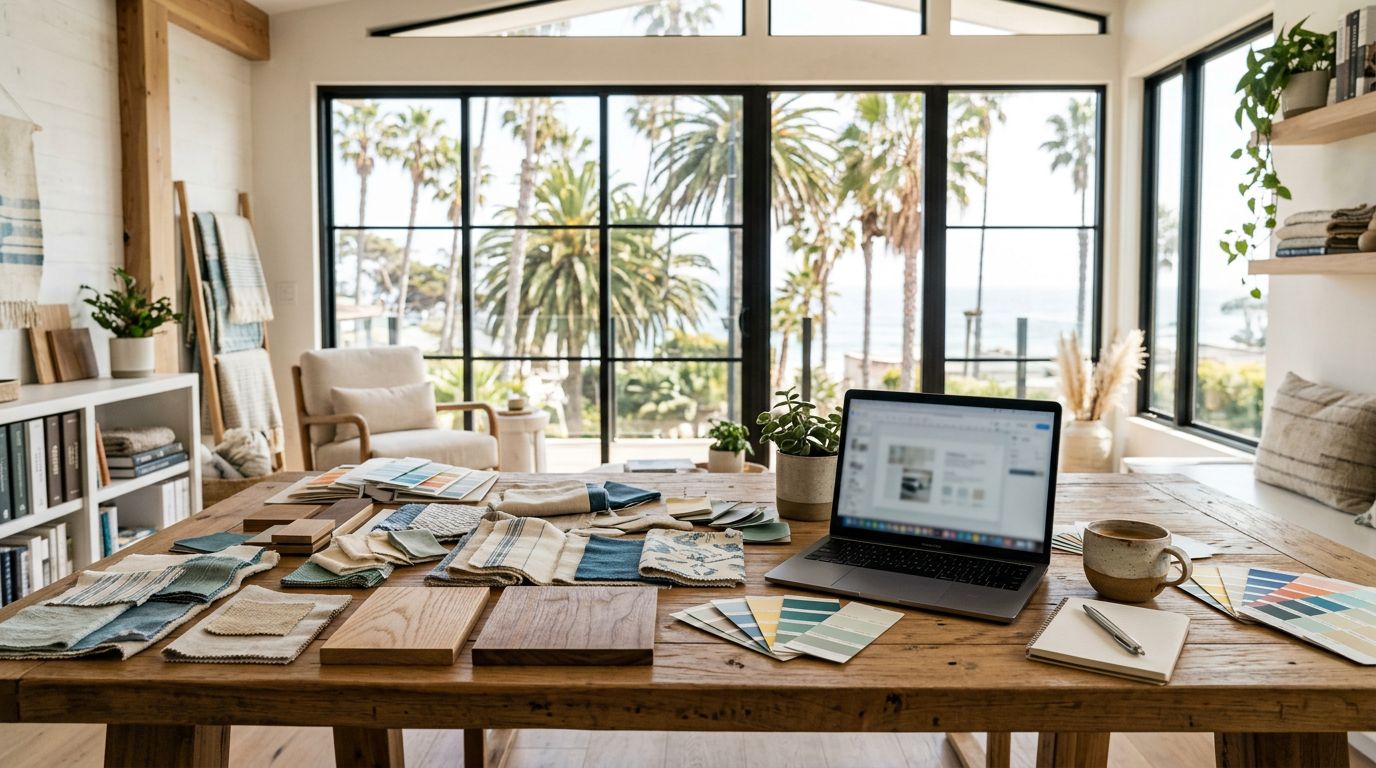
A design selections meeting can move fast, and small details can shape how your new home feels for years. If you walk in unprepared, it gets easy to second-guess finishes, miss a budget detail, or forget what you wanted in the first place.
That meeting is where your ideas meet real products, real prices, and real decisions. In Southwest Florida, it also needs to account for sunlight, moisture, salt air, and storm-ready choices that matter long after move-in day.
The good news is simple. A little prep turns the meeting from stressful to productive, and the right materials help you make choices with confidence.
Key Takeaways
- Bring inspiration photos, measurements, and any existing samples you already own.
- Know your must-haves before you sit down, because budget decisions go faster when priorities are clear.
- Ask direct questions about lead times, maintenance, upgrades, and how each finish performs in Southwest Florida.
- Keep your notes organized so you can compare options without relying on memory.
- If you are still narrowing down plans, browse available home models before your meeting.
What a Design Selections Meeting Covers
A design selections meeting is where your home starts to feel personal. You'll usually review finish materials, fixture styles, colors, and upgrade options that affect the look and function of the house. Depending on the builder and the stage of the project, you may talk about cabinets, countertops, flooring, tile, plumbing fixtures, lighting, paint, trim, and exterior details.
The meeting also helps set expectations. Some choices are included in the base price, while others add cost. Some options look great on paper but need more upkeep. Others fit daily life better, even if they're less dramatic.
That's why preparation matters. If you already know your style, your budget, and your lifestyle needs, the conversation becomes much easier. You spend less time reacting and more time deciding.
For homeowners building in Southwest Florida, the selections often need an extra layer of practicality. Bright natural light can change how paint and flooring look. Humidity can affect materials over time. Families near the coast often ask about durability, easy cleaning, and storm-ready features early in the process.
If you want to understand where the selections meeting fits into the larger schedule, learn about our home building process. That bigger picture makes it easier to see why some decisions happen earlier than others.
Bring the Materials That Help Your Designer Help You
The best meetings move quickly because the designer can see what you want. Instead of describing a "warm modern coastal look," bring proof. A few clear references can say more than a long explanation.
Inspiration photos and style references
Start with 5 to 10 photos that show the feel you want. Save kitchens, bathrooms, exteriors, laundry rooms, and trim details, not just pretty living rooms. Try to find patterns in the pictures.
Maybe you keep saving white shaker cabinets, brushed gold fixtures, and lighter wood tones. Maybe you lean toward clean lines, dark accents, and simple tile. Those repeated details give the clearest picture of your style.
A good photo set also helps you identify what you don't want. If three of your saved kitchens feel too cold, that matters. If you love light floors but dislike glossy cabinets, that matters too.
Room measurements, floor plans, and site notes
Bring any documents you already have, including floor plans, lot notes, surveys, and room dimensions. If you have a furniture layout in mind, note the size of your sofa, bed, dining table, or rug. That helps with cabinet placement, outlet locations, and traffic flow.
If you are building on a specific lot in Southwest Florida, bring anything that affects the site. Sun exposure, view corridors, and outdoor living plans can change finish choices inside the home. South- and west-facing spaces often need more attention because of light and heat.
A printed floor plan with handwritten notes works well. Digital files are useful too, but a paper copy lets you mark ideas during the meeting.
Samples, finish preferences, and existing materials
If you already own a piece you want to keep, bring it. That can be a sofa fabric, a countertop sample, a cabinet door, a flooring plank, or a paint chip. Even small items help match undertones and avoid clashes.
List any finish preferences in plain language. For example, you might want:
- Matte finishes instead of high gloss
- Warm whites instead of cool whites
- Large-format tile instead of small mosaic tile
- Black hardware instead of polished chrome
- Easy-clean surfaces in busy rooms
This is also the time to mention materials you want to avoid. If certain woods, textures, or colors have already failed in your last home, say so. That saves time and keeps the meeting focused.
Budget range, must-haves, and nice-to-haves
A clear budget range keeps the conversation honest. You don't need to lock every dollar in place before the meeting, but you do need a working number. Otherwise, upgrades can grow faster than you expect.
Separate your list into must-haves and nice-to-haves . A must-have might be impact windows, a specific flooring type, or extra storage. A nice-to-have might be a statement backsplash, a specialty light fixture, or a built-in niche.
That simple split helps the designer protect your priorities first. If the budget tightens, the important items stay in place.
Questions That Keep the Meeting Productive
Strong questions make the meeting more useful. They also help you understand where a finish fits in the real build, not just the showroom.
Ask how each option affects the final price. Some upgrades carry a larger labor cost than homeowners expect, especially tile changes, electrical shifts, or custom carpentry. Ask about lead times too, because special-order items can affect the schedule.
You should also ask how each finish performs in Florida conditions. A beautiful product that scratches easily or traps moisture can become annoying fast. In kitchens and baths, ask about cleaning, maintenance, and resistance to humidity.
A few questions are worth bringing every time:
- What's included in the base price, and what counts as an upgrade?
- How long does this option take to order?
- Does this material hold up well in humid rooms?
- What maintenance does this finish need?
- Are there other options in the same price range?
- Will this choice affect plumbing, electrical, or construction timing?
- How does this option pair with the home's style and exterior?
If your builder offers a range of home models, ask which selections tend to work best with your chosen plan. A feature that looks perfect in one layout may feel out of place in another. For a deeper look at the available starting points, view current residential construction models.
How to Organize Everything Before You Arrive
A little order keeps the meeting calm. Put all your notes in one place, whether that's a folder, a notebook, or a digital document. Label photos, sample names, and questions so you can find them fast.
Review your own list the night before. Trim anything that feels vague, because a vague note rarely helps under pressure. "Nice kitchen" is hard to use. "Light oak cabinets, quartz counters, and simple slab backsplash" gives people something workable.
It also helps to rank your top three priorities. Maybe you care most about durability, natural light, and storage. Maybe your focus is budget, exterior curb appeal, and low maintenance. When choices pile up, those priorities keep you grounded.
Bring a pen, charger, and a phone with room for photos. If several family members are involved, decide in advance who gets the final say. A meeting moves much smoother when one person is not waiting for six other opinions to line up.
Common Mistakes That Slow Down Decisions
The most common mistake is arriving with too much general taste and not enough detail. If everything is "pretty" or "fine," decisions take longer and feel less certain. Clear preferences move the meeting forward.
Another mistake is forgetting how choices work together. A floor color that looks great with one cabinet tone may look off with another. The same problem can show up with lighting and countertops, or tile and grout. Bring the whole picture, not just one favorite item.
Budget surprises cause trouble too. Upgrades feel manageable one at a time, then add up quickly. A realistic budget range, plus a short list of non-negotiables, keeps the process steady.
Finally, don't ignore daily life. A home with kids, pets, guests, beach traffic, or frequent entertaining needs materials that can handle real use. In Southwest Florida, that often means finishes that clean easily and stand up to heat and humidity.
The smoothest meetings happen when style, budget, and daily use are all on the table at the same time.
Conclusion
A good design selections meeting is part creativity, part planning, and part practical problem-solving. When you bring inspiration photos, measurements, floor plans, samples, budget notes, and clear priorities, you make better choices with less stress.
The strongest decisions usually come from simple preparation. Know what you love, know what you need, and know what you can spend.
Walk in with that clarity, and the meeting becomes what it should be, a confident step toward a home that fits the way you live.
Get a Free Estimate
Considering building a new home in Southwest Florida or remodeling your current home to make it your dream house? Contact us today to start the planning process.
Fill out the form or call (239) 565-9486