
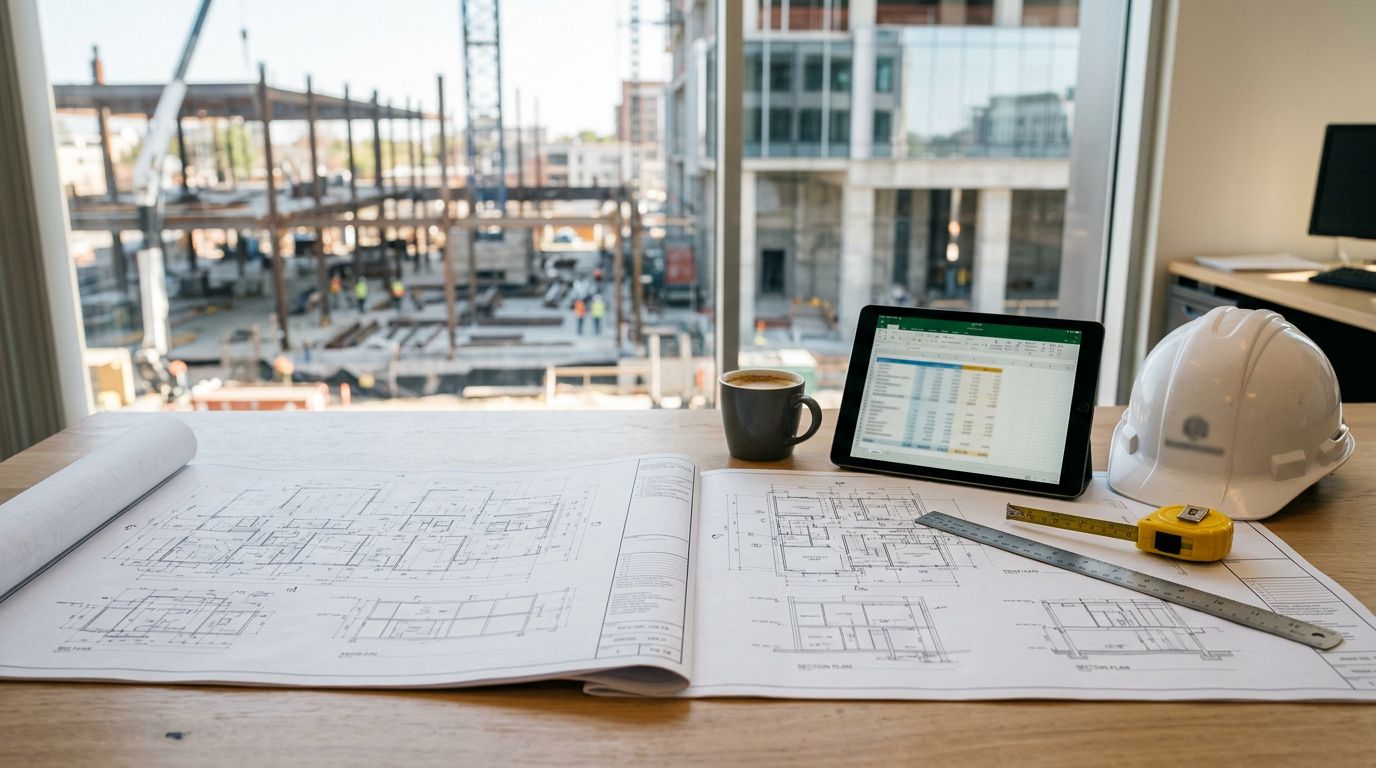
How to Compare Two Builder Bids Without Missing Scope

How to Compare Two Builder Bids Without Missing Scope

Two builder bids can look close on paper and still hide a big price gap. One may include permits, disposal, and finish work, while the other leaves those items for later change orders.

That's why a builder bids comparison has to go beyond the bottom line. If you're planning a new build or remodel in Southwest Florida, the real risk is missing scope, vague allowances, and small wording differences that turn into large costs.

Key Takeaways

  • Compare the same drawings, specs, and assumptions before you look at price.
  • Watch for missing scope in permits, demolition, cleanup, and site work.
  • Treat allowances as placeholders, then check the dollar amount and quality level behind them.
  • Ask builders to spell out exclusions in writing.
  • If two bids still differ after a line-by-line review, ask for a revised quote on the same scope.

Start with the same drawings, specs, and assumptions

A fair comparison starts with identical input. If one builder priced a full set of plans and the other used a rough sketch, the numbers do not mean the same thing.

For a remodel, that means the scope should match the project details, finish level, and site conditions. A detailed scope like the one behind professional home remodeling services gives you a cleaner base for comparing quotes, because the builder has to show what is included.

Use this simple check before you compare price:

Bid item What to confirm Why it matters
Plans and drawings Same version on both bids Different plans change labor and material costs
Finish schedule Same cabinet, flooring, tile, and fixture level "Similar" can hide a big downgrade
Site conditions Same assumptions about access, demo, and existing structure Hidden site work can add cost fast
Permits and inspections Included, excluded, or assigned to you These fees and tasks affect the true total
Timeline Same start window and build duration A shorter or longer schedule can change labor pricing

If one quote uses exact product names and the other says "builder grade," you still don't have a true apples-to-apples comparison. Ask both builders to revise the scope until the details line up.

Find the scope gaps that usually hide in plain sight

The biggest problems often sit in the small print. A bid can look complete while leaving out the parts that cost you the most.

Common gaps include demolition, haul-off, drywall repair, painting, final cleaning, and patching around new work. In a Florida remodel, storm-related items can also change the price, especially when the project includes impact openings, doors, or other code-driven upgrades.

If a bid says "allowance," "by owner," or "not included," treat that line as a cost waiting to happen.

Pay close attention to these areas:

  • Permits and engineering : Some builders include them, some separate them, and some leave them out.
  • Demo and disposal : Removing old materials is rarely free, even when the job looks simple.
  • Site protection : Floor coverings, dust control, and temporary barriers can be missing.
  • Trade coordination : Electrical, plumbing, HVAC, and finish carpentry may be priced differently by each builder.
  • Punch list and cleanup : Final corrections and jobsite cleanup can land in an exclusion section.

A low bid with missing scope can become the highest bid after change orders. That's why the first pass should focus on completeness, not just total cost.

Compare allowances and finish levels line by line

Allowances are one of the easiest places to miss a cost difference. They look harmless because they appear as placeholders, but they only work if both builders used the same quality level and the same dollar amount.

If you want a broader sense of how line items affect the final total, a guide like Cape Coral home renovation pricing guide helps you think through the numbers before you sign.

Look at allowances for cabinets, countertops, tile, flooring, plumbing fixtures, lighting, doors, and appliances. Then ask two questions for every line item. What product did the builder assume, and what happens if your choice costs more?

A cheap allowance for flooring can hide a large gap if one builder assumed basic material and the other assumed a higher-end product. The same is true for cabinets and tile, where labor and trim details often matter as much as the material itself.

Ask each builder to replace vague terms with clear descriptions. Brand, model, square footage, finish, and installation method should all appear when possible. If the quote only lists a lump sum, request a breakdown.

Use a step-by-step review process

A clean builder bids comparison works best when you move through the same steps every time. That keeps emotions out of it and helps you spot hidden differences faster.

  1. Put both bids side by side in one worksheet.
  2. Match the drawings, scope notes, and finish schedule.
  3. Highlight every allowance, exclusion, and assumption.
  4. Ask for the dollar value behind each allowance.
  5. Confirm who handles permits, inspections, and engineering.
  6. Request a revised bid if anything is vague or missing.

Once you do that, the quote usually tells a much clearer story. A builder who priced a complete scope can explain the details fast. A builder with missing items will start filling in blanks.

It also helps to separate true differences from bad paperwork. Sometimes one builder includes site cleanup, while the other prices it separately. Sometimes one bid covers a standard door package, while the other includes impact-rated products. Those are real differences, and they deserve a real price comparison.

Use a checklist before you choose a builder

This quick review can save you from signing a contract with holes in it.

  • Confirm that both bids use the same plans and the same finish schedule.
  • Check that every allowance has a dollar amount and a quality level.
  • Make sure permits, inspections, and any required engineering are either included or clearly assigned.
  • Look for demo, disposal, drywall repair, paint, and cleanup in writing.
  • Verify that cabinets, counters, flooring, tile, and fixtures match across both bids.
  • Ask how the builder priced storm-related items if your project needs impact windows, impact doors, or other exterior upgrades.
  • Read the exclusions section line by line.
  • Review the payment schedule and make sure it matches progress on site.
  • Ask what triggers a change order and how it gets approved.
  • Confirm the warranty in writing.

If a line feels vague, circle it. Then ask the builder to explain it in plain language. The goal is to remove guesswork before construction starts.

Conclusion

The cheapest quote does not always cost less. When the scope is thin, the missing work shows up later, usually as change orders, delays, or downgraded finishes.

A solid comparison comes from matching scope first, then allowances, then exclusions. Once those pieces are aligned, price becomes much easier to judge.

Before you sign, make sure both bids tell the same story. A clear builder bids comparison protects your budget and helps you hire with confidence.

By Infinity Homes July 8, 2026
A design selections meeting can move fast, and small details can shape how your new home feels for years. If you walk in unprepared, it gets easy to second-guess finishes, miss a budget detail, or forget what you wanted in the first place. That meeting is where your ideas meet...
By Infinity Homes July 6, 2026
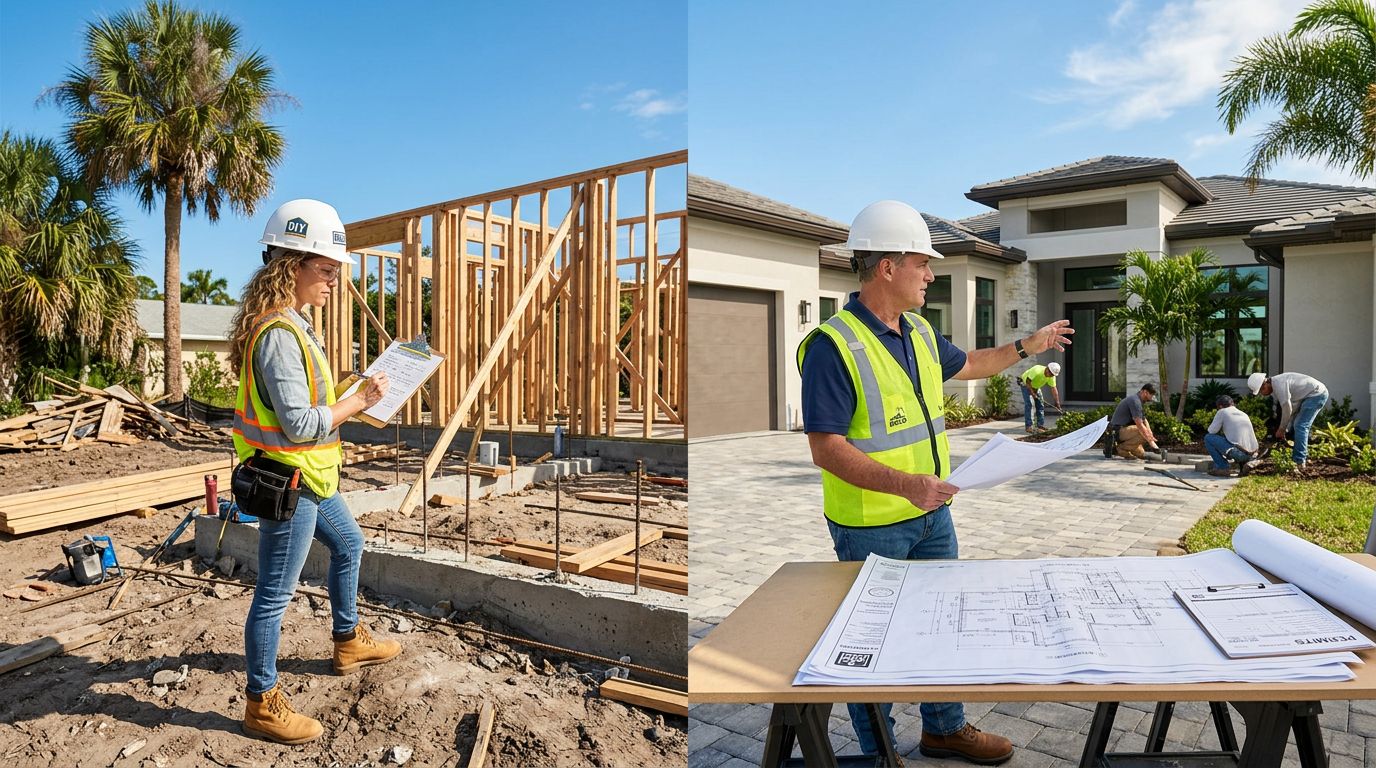
The owner builder Florida route can look like an easy way to save money, until the permits, inspections, and liability start stacking up. For some homeowners, it makes sense. For others, it turns a renovation or new build into a second full-time job. If you're weighing both pa...
By Infinity Homes July 5, 2026
A pre-construction meeting can save you from months of frustration later. One clear conversation now can prevent missed details, surprise costs, and schedule confusion once the build starts. The best pre-construction meeting questions turn assumptions into written answers. Tha...
By Infinity Homes July 4, 2026
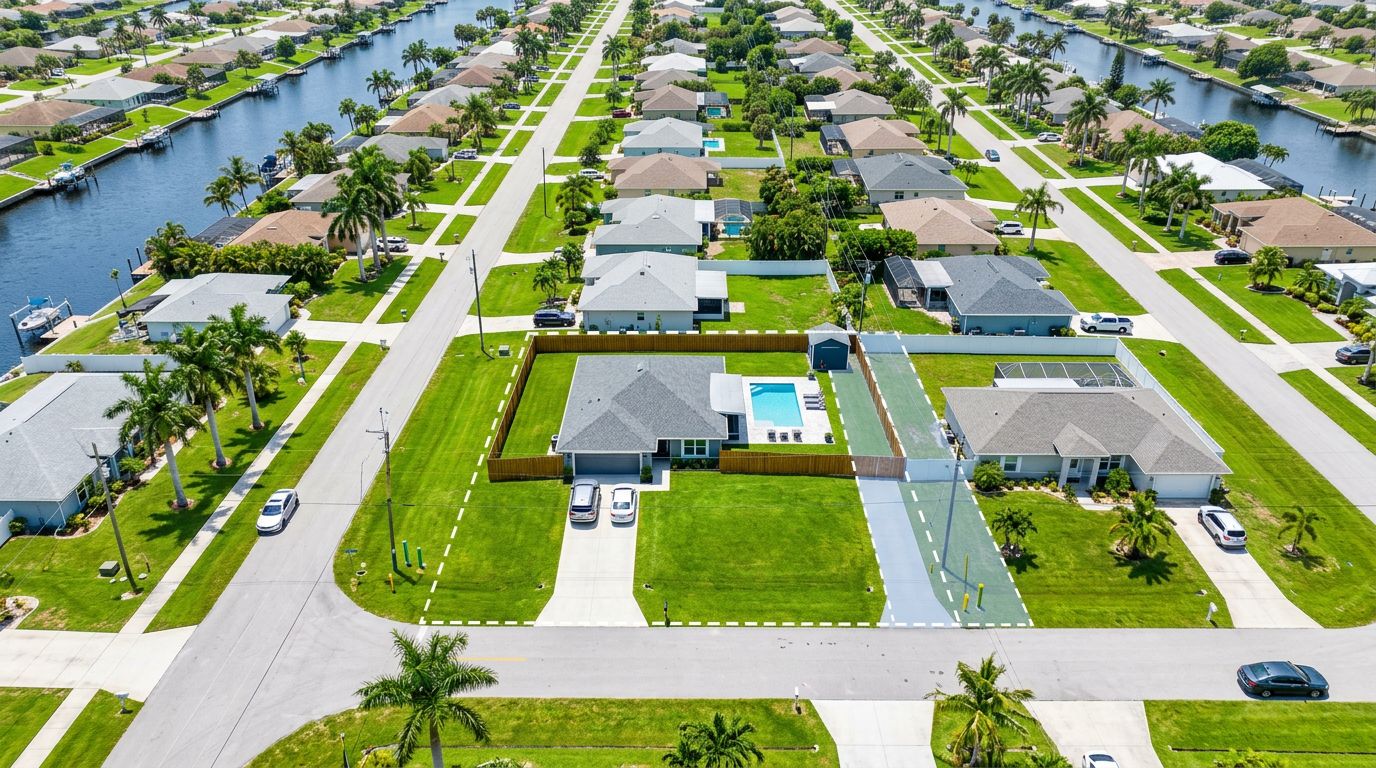
A new fence, pool, shed, or driveway can look simple on paper, then stall the moment the lot survey comes out. In Cape Coral, utility easements often decide where you can build, what you can install, and how close you can get to the property line. That matters because the ease...

Get a Free Estimate

Considering building a new home in Southwest Florida or remodeling your current home to make it your dream house? Contact us today to start the planning process.


Fill out the form or call (239) 565-9486

GET PROFESSIONAL HELP