
Cape Coral Utility Easements Before You Build
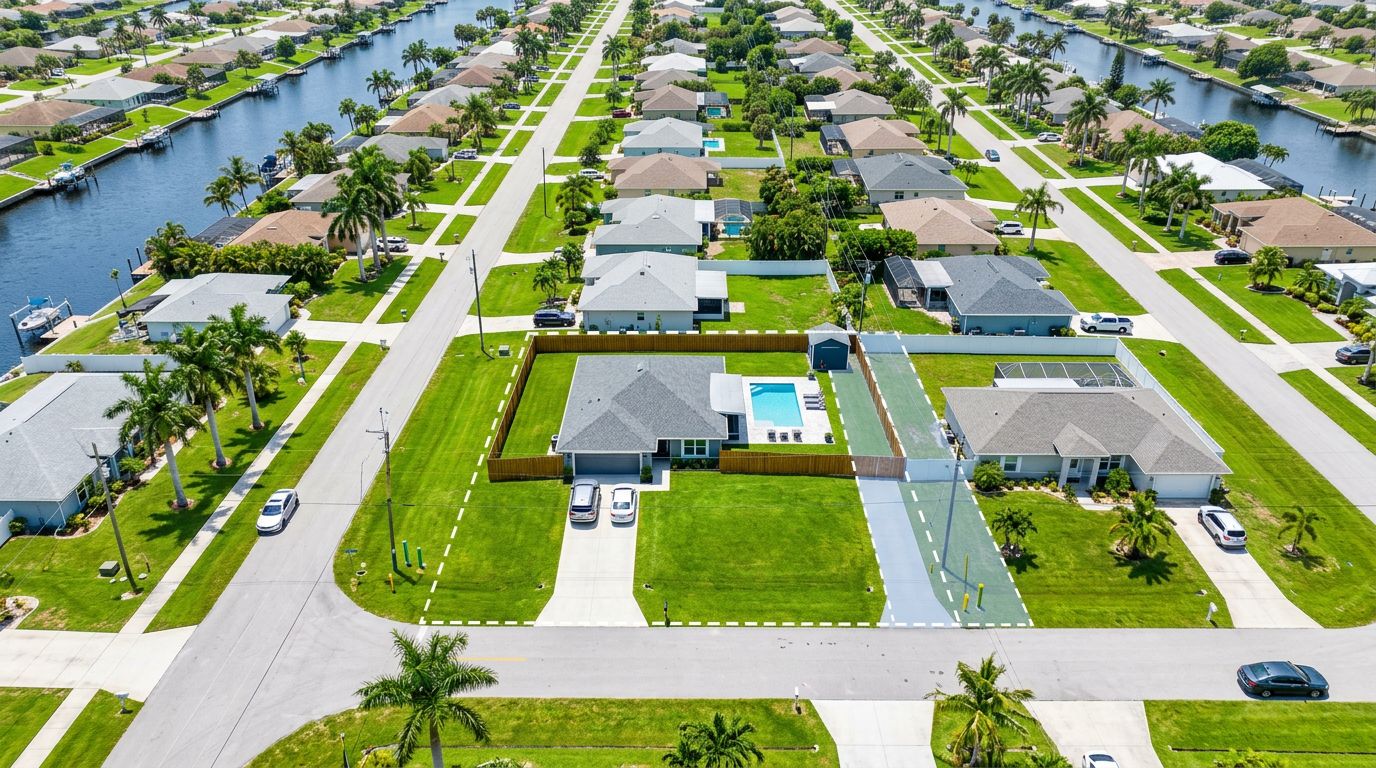
A new fence, pool, shed, or driveway can look simple on paper, then stall the moment the lot survey comes out. In Cape Coral, utility easements often decide where you can build, what you can install, and how close you can get to the property line.
That matters because the easement on your lot may not look like the one next door. It can change by subdivision, utility provider, and recorded documents. Before you pour concrete or place an order, read the survey, check the plat, and confirm the rules for your exact parcel.
Key Takeaways
- Utility easements are access areas , not extra building space.
- Easement location and restrictions can vary by lot, subdivision, utility provider, and recorded documents.
- A survey and plat are the first places to check before any new construction or improvement.
- Fences, pools, sheds, screen enclosures, landscaping, generators, and driveways can all create conflicts.
- A project that looks fine in the yard can still be rejected if it sits inside a recorded easement.
What a utility easement means on a Cape Coral lot
A utility easement is a section of private property reserved for utilities and, in many cases, maintenance access. The land usually still belongs to you, but you don't have full freedom to build on it.
That's the part that catches people off guard. The easement is not a suggestion line. It is a recorded limit that can affect permanent structures, buried lines, service access, and repair work.
In Cape Coral, easements often run along side yards, rear yards, or other edges of a lot. Some are wide enough to affect only landscaping. Others cut into the area you thought was ideal for a pool cage, lanai, or detached structure.
The exact rules depend on what was recorded with the property. A plat map, survey, deed, and subdivision documents can all matter. If one document conflicts with another, the recorded easement and local requirements control how the lot can be used.
If you're comparing new construction home options, the easement layout should be part of the site planning conversation from the start. A great floor plan still needs a buildable lot layout.
Why easement lines matter before you break ground
Many owners focus on setbacks and forget easements. That creates headaches later, because setbacks and easements are not the same thing. A project can meet setback rules and still fail because it sits in a utility easement.
That difference matters for both cost and timing. Moving a pool shell, relocating a fence, or redesigning a driveway after plans are drawn can add delay and extra labor. Sometimes it means changing the whole layout.
It also matters for inspections and future access. Utility crews may need space to reach lines or make repairs. If a structure blocks that access, you may be asked to remove or modify it.
A fence, shell, or patio that has been there for years does not cancel a recorded easement. The document controls, not the old improvement.
If your build is part of a larger repair or rebuild, the same issue applies. A scope that fits the permit can still run into an easement, even during hurricane renovation services. That is why the lot review should happen before design work gets too far.
Projects that often run into utility easement issues
Some improvements are far more likely to create trouble than others. The table below shows where problems usually start.
| Project type | Why it can create a problem | What to confirm first |
|---|---|---|
| Fences | They can block access or cross a line that must stay clear | Easement width, fence placement, and whether removable sections are needed |
| Pools | Shells, decks, and equipment pads often need more space than expected | Exact easement location, setbacks, and equipment clearance |
| Sheds | Permanent structures are often the first thing restricted | Whether the shed footprint touches any recorded easement |
| Screen enclosures | Posts and roof lines can extend into protected space | Structural placement and service access requirements |
| Landscaping | Trees, deep roots, retaining features, and large planters can interfere with utility work | Planting restrictions and clear zones for buried lines |
| Generators | Pads, tanks, and service connections may need approved placement | Utility access, gas line routing, and service clearances |
| Driveways | Expansion areas can overlap easements, especially near side lots | Drive width, drainage, and recorded access areas |
The takeaway is simple. The bigger and more permanent the improvement, the more careful the review needs to be.
A row of shrubs may be easy to move. A pool deck or driveway edge is a different story. Once concrete goes in, fixing the mistake gets expensive fast.
How to read your survey and plat without guessing
Your survey is the first document to pull. It shows property lines, easements, and often the width of each easement. If you see labels such as "utility easement," "drainage easement," or abbreviations tied to recorded documents, slow down and read carefully.
The plat matters too. It shows how the subdivision was laid out and may include easement notes that do not appear clearly on a basic site sketch. Those notes can affect where you place new work.
If you don't already have a recent survey, get one before construction. Old surveys can miss changes, and assumptions based on a neighbor's lot are risky. One Cape Coral parcel can have a very different setup from the next one over.
Look for these items first:
- Easement width and location
- Any recorded book or instrument reference
- Notes tied to utility access, drainage, or maintenance
- Lot corners and distances that help confirm placement
- Any overlay of the planned improvement onto the easement area
A good survey turns guesswork into a clear site plan. It also gives your builder, designer, or permit reviewer something concrete to work from.
What to confirm with the city, utility provider, and builder
Even with a survey in hand, don't stop there. Confirm the rules before you start work, because easement restrictions can vary by lot and provider.
A few questions matter most:
- Is the planned improvement inside any recorded utility easement?
- Does the city or utility provider require a clear access path?
- Are there special rules for buried water, sewer, electric, or telecom lines?
- Does the project need written approval before construction begins?
- Will the improvement need to be moved if a utility line is repaired later?
If you're building a new home, the site plan should reflect those answers early. That prevents redesigns later and keeps the construction schedule cleaner.
The same logic applies to major remodels and additions. A screened lanai, generator pad, or driveway expansion can look minor at first. Once lines, equipment, and concrete are mapped out, the footprint can change fast.
The best builders treat the survey like a road map, not a formality. They look at where the lot can actually support the project, then adjust before materials are ordered or permits are filed.
Planning around easements without shrinking the project
You don't need to fear every easement line. You do need to respect it. Many projects still work well when the layout is adjusted with purpose.
Start by placing permanent structures outside the easement whenever possible. Then use the remaining buildable area for features that matter most, such as pool depth, driveway width, storage, or outdoor living space.
Keep access in mind too. Utility crews may need room to reach lines later, so a project that leaves a clear path is easier to approve and easier to live with. Landscaping can often work if it stays shallow and removable. Permanent walls, heavy slabs, and deep-rooted trees are harder to shift.
A short planning checklist helps:
- Match the survey to the intended design
- Confirm the recorded easement, not just the visible yard space
- Leave room for maintenance access
- Recheck the plan after any layout change
- Get clarification before work starts, not after
That process may feel slower at first, but it usually saves time. It also keeps the project aligned with the lot instead of fighting it.
Build With the Easement Map in Front of You
Cape Coral utility easements are easier to manage when they're treated as part of the design, not as an afterthought. The lot survey, plat, and recorded documents show where the real boundaries are, and those details can change from one property to the next.
Before you move ahead with a fence, pool, shed, enclosure, generator, landscaping, or driveway work, check the easement lines and confirm the requirements for your specific lot. A careful review now is much simpler than moving concrete, tearing out a fence, or redesigning a project later.
The safest build starts with the right map in front of you.




Get a Free Estimate
Considering building a new home in Southwest Florida or remodeling your current home to make it your dream house? Contact us today to start the planning process.
Fill out the form or call (239) 565-9486