
Pre-Construction Meeting Questions Every Homeowner Should Ask
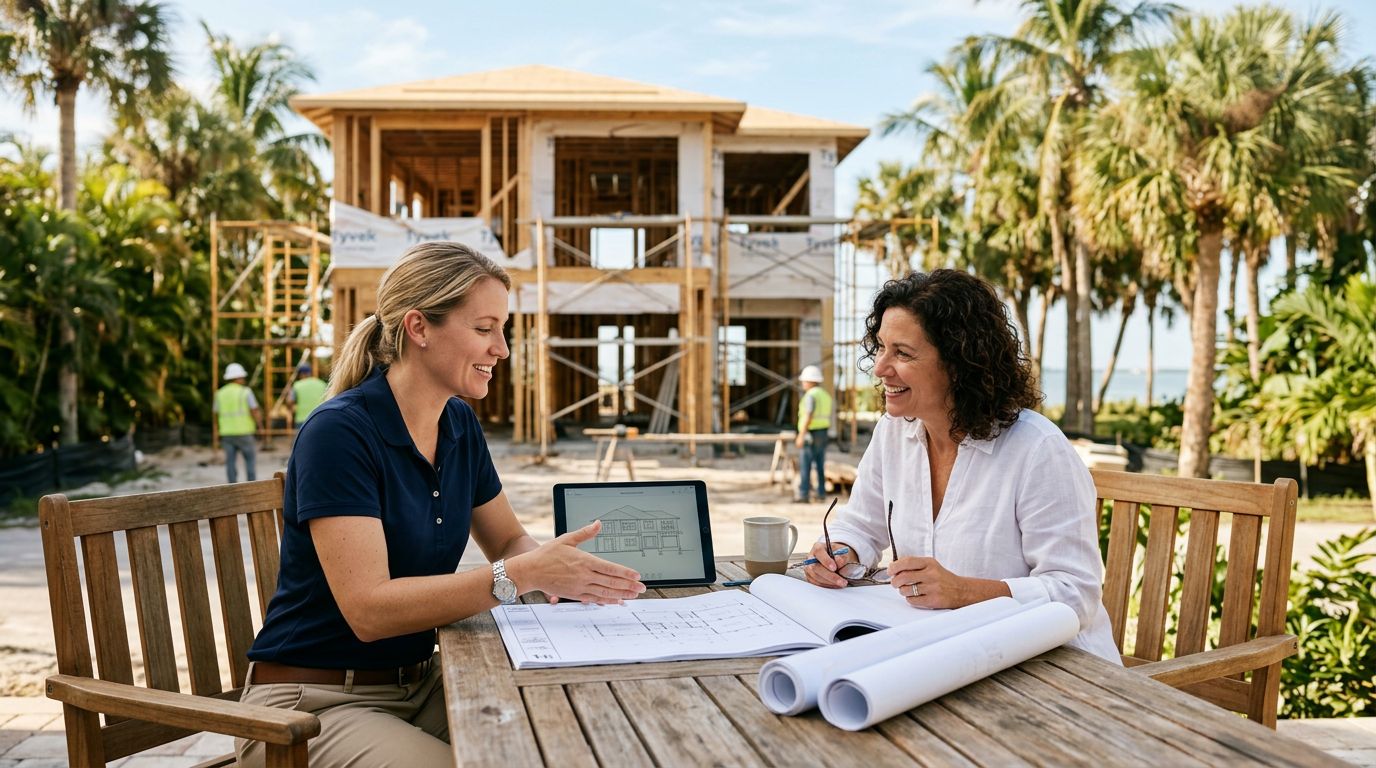
A pre-construction meeting can save you from months of frustration later. One clear conversation now can prevent missed details, surprise costs, and schedule confusion once the build starts.
The best pre-construction meeting questions turn assumptions into written answers. That matters even more in Southwest Florida, where permitting, lot conditions, weather, and hurricane-related requirements can shape the entire project.
If you want a sense of how the steps fit together, this home building process overview is a helpful reference before you sit down for the meeting.
Key Takeaways
- Ask who owns each step, because one named contact keeps the project moving.
- Confirm what is included, what is an allowance, and what needs a written change order.
- Get clear on permits, inspections, and schedule milestones before work begins.
- Ask about site prep, drainage, and storm-related details if you are building in Southwest Florida.
- Leave the meeting with a written summary, not just a good feeling.
What the pre-construction meeting should settle
This meeting is not about small talk. It should leave both sides with the same understanding of the plans, the budget, and the next steps.
If a detail matters to you, it should be clear in writing before construction starts. Verbal promises can fade fast once framing, electrical work, and material orders begin.
A solid meeting gives you a map for the build. A weak one leaves room for guesswork.
Questions about plans, permits, and who handles what
The first set of questions should cover the plan itself. You want to know what is final, what is still open, and who is responsible for each moving part.
Plan details and scope
- "Are the plans final, or are any items still open?" You want to know whether the design is locked or still shifting.
- "What exactly is included in my contract?" A clear answer should name finishes, fixtures, and any exclusions.
- "Are there any selections that affect structure, framing, or electrical layout?" These choices matter because they are harder to change later.
- "Will I get a copy of the signed plans and specifications?" Keep that copy handy, because it becomes your reference point.
A good builder should answer these questions directly, without making you guess. If the answer sounds fuzzy, ask for the document that proves it.
Permits and approvals
- "What permits are already submitted, and what is still pending?" This tells you whether the project can truly move forward.
- "Who handles communication with the city or county?" In Southwest Florida, that process can affect timing, so the owner should be clear.
- "Are there any approvals still needed before site work starts?" Some projects look ready long before they are actually ready.
- "What happens if an inspection or approval comes back with comments?" You want to know who fixes the issue and how quickly.
Permitting is one of the easiest places for a homeowner to lose time without realizing why. A builder should be able to explain the current status in plain language.
Questions about cost, allowances, and changes
Budget questions can feel uncomfortable, but they are easier to ask now than after the invoice arrives. The goal is simple, know what you are paying for and how changes get priced.
Allowances and upgrades
- "What are my allowances for cabinets, flooring, tile, lighting, and fixtures?" An allowance is not a blank check, so ask for the numbers.
- "What happens if I choose something above the allowance?" You need to know how overages are handled before shopping.
- "Are appliances included, or are they separate?" This is a common point of confusion.
- "Do upgrade prices include labor, or just materials?" A low material price can look very different once labor is added.
These questions matter because allowances can make a project seem cheaper than it really is. If you plan a more custom finish, ask for realistic pricing early.
Change orders and selections
- "How are change orders requested and approved?" You want a clear process, not a casual text message chain.
- "How long does it take to price and schedule a change?" Fast answers are helpful, but written ones are better.
- "What is the deadline for my final selections?" Late choices can delay ordering and push back the schedule.
- "If I change my mind later, how will that affect cost and timing?" The honest answer should include both.
If a change affects materials, labor, or inspections, it should be written down before anyone moves on.
This is one of the most important parts of the meeting. A clear change-order process protects both your budget and the build schedule.
Questions about timeline and Southwest Florida site conditions
A schedule is only useful if it matches the real conditions on your lot. In Southwest Florida, that means asking about weather, drainage, soil, and the time needed for approvals and inspections.
For a practical timing reference, this look at how long it takes to build a house in Cape Coral in 2026 can help you frame a realistic timeline.
Schedule and milestones
- "What is the expected start date?" The answer should depend on permits, selections, and lot readiness.
- "What milestones should I expect next?" A good builder can walk you through rough stages, not just the finish line.
- "Which parts of the schedule are most likely to shift?" This helps you understand where delays usually happen.
- "How often will I get updates once construction begins?" Regular updates reduce stress and keep decisions moving.
Try not to treat the schedule like a promise carved in stone. It is more like a working plan, and some parts will move.
Lot prep, drainage, and storm standards
- "What site work is needed before construction can begin?" Lots can need clearing, grading, fill, or other prep.
- "How will drainage be handled on this property?" Water management matters in a region that gets heavy rain.
- "Are impact-rated windows and doors included?" In Southwest Florida, this question is worth asking early.
- "Are there any storm-related features or code requirements I should know about?" You want to know what is standard and what is optional.
These questions are especially important on a new lot or a property that has been vacant for a while. Site conditions can change the budget and the schedule faster than the house plan itself.
Red flags and misunderstandings to avoid
Some answers sound fine in the moment, but they leave too much room for trouble later. Watch for vague language, missing paperwork, and anyone who brushes off your concerns.
Common red flags include:
- The builder says "don't worry about it" instead of explaining the process.
- The contract says something is included, but no one can point to the line item.
- The timeline sounds fixed, even though permits and inspections are still pending.
- Change orders are handled casually instead of through a written approval process.
- No one can tell you who your main contact will be after the meeting.
A few misunderstandings show up again and again. One is assuming that a showroom sample means the same exact product is included in your build. Another is assuming that a verbal upgrade request will stay in place without paperwork.
Ask yourself this before you leave the room: could you explain the answers to someone else in one minute? If not, the meeting needs more clarity.
Printable pre-construction meeting checklist
Bring this list with you and mark each item off before you leave.
- Named project contact and preferred communication method
- Final plans, specs, and included scope
- Permit status and any open approvals
- Allowances for major finishes and fixtures
- Pricing rules for upgrades and overages
- Change order process and approval timeline
- Selection deadlines for materials and finishes
- Site prep, grading, and drainage plan
- Storm-related features and code requirements
- Expected start date and milestone range
- Update schedule during construction
If you leave with all 11 items answered, you are in a strong position. If several are still unclear, ask for follow-up in writing before work begins.
Conclusion
The best pre-construction meeting questions do one thing well, they turn a big project into a set of clear steps. When you know who handles what, what is included, and how changes are approved, you can move forward with a lot more confidence.
That matters in Southwest Florida, where permits, site conditions, and storm-related details can affect the pace of the build. A careful meeting now makes the rest of the project easier to follow.
Ask for specifics, get them in writing, and keep your checklist close. That simple habit can save you from most of the surprises homeowners worry about most.
Get a Free Estimate
Considering building a new home in Southwest Florida or remodeling your current home to make it your dream house? Contact us today to start the planning process.
Fill out the form or call (239) 565-9486