
Planning a Hurricane-Ready Remodel Before Storm Season
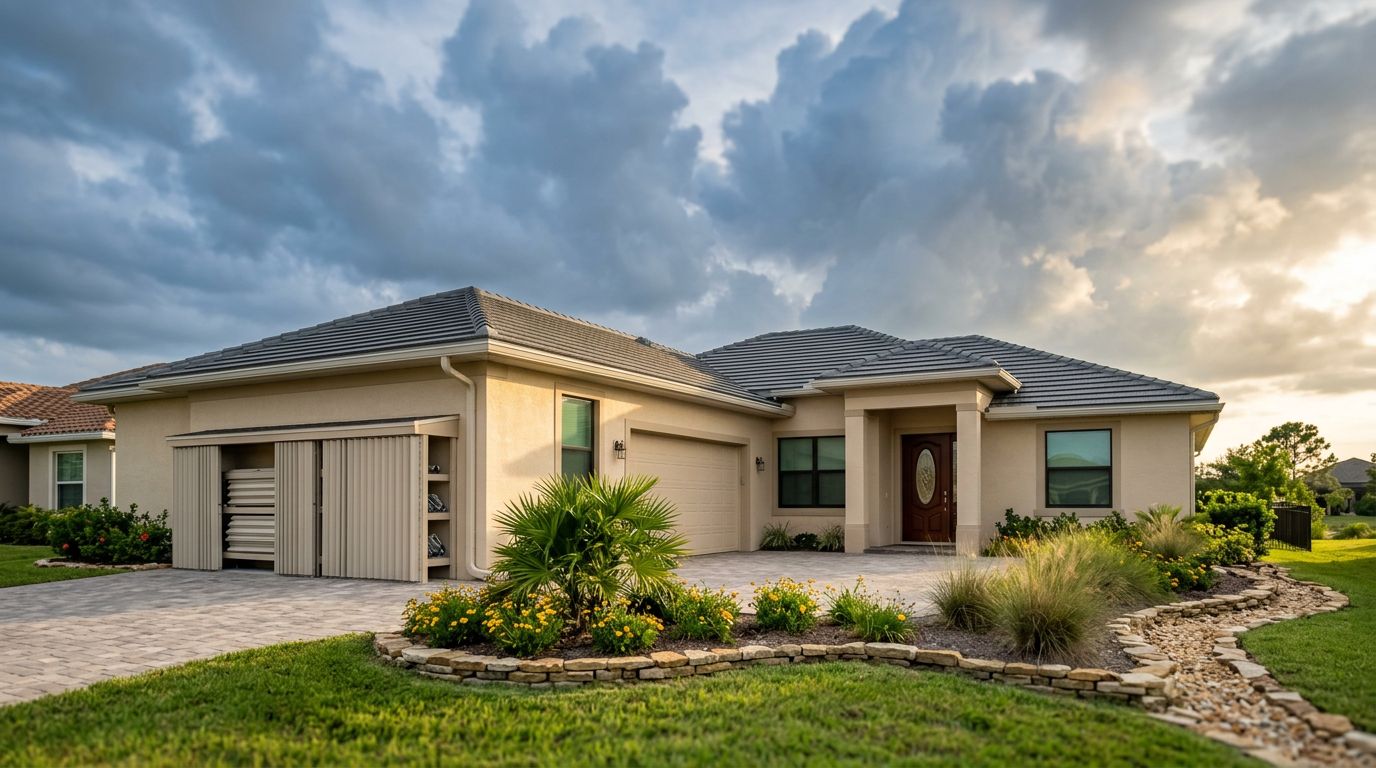
Storm preparation starts long before a named storm appears on the forecast. In Southwest Florida, a hurricane-ready remodel can address weak windows, aging doors, water intrusion points, and interior systems before they become emergency repairs.
The Atlantic hurricane season runs from June 1 through November 30, but contractors, suppliers, and permitting offices often become busier as storms approach. A clear scope, realistic schedule, and qualified local team give you more control over the work. Start with an assessment of your home's most exposed areas.
Key Takeaways
- Inspect the roof, exterior openings, drainage, electrical systems, and moisture-prone areas before choosing upgrades.
- Prioritize impact-rated windows, doors, and sliders when they fit your home, budget, and local requirements.
- Confirm permits, product approvals, building-code details, and insurance conditions with qualified professionals.
- Schedule design, approvals, materials, installation, and final inspections with storm-season delays in mind.
- Keep temporary protection and evacuation plans separate from permanent remodeling work.
Start With a Detailed Home Assessment
A hurricane remodel should begin with facts about your home, not a product catalog. Walk the property with a licensed contractor or qualified building professional. Review the home's age, previous repairs, flood exposure, drainage, and any storm damage that may remain hidden behind finishes.
Look for cracked window frames, deteriorated exterior doors, loose soffits, damaged stucco, roof leaks, and gaps around pipes or vents. Inside, check ceilings, drywall, insulation, flooring, and cabinets for staining, swelling, musty odors, or soft areas. Moisture can remain after a small leak, even when the wall looks dry.
The assessment should also consider how water moves around the property. Clogged gutters, poor grading, blocked drainage, and low door thresholds can send stormwater toward the house. A remodel may need exterior drainage work before new interior finishes make the problem harder to find.
Ask the contractor to separate urgent safety repairs from planned improvements. A loose electrical panel, active leak, damaged framing, or compromised opening deserves attention before cosmetic work. If you suspect structural damage, stop demolition in that area until a qualified professional evaluates it.
Homeowners in Cape Coral, Fort Myers, Naples, Bonita Springs, Estero, Sanibel, Fort Myers Beach, and Lehigh Acres can face different flood, wind, and permitting conditions. Confirm the applicable floodplain, elevation, and building-code requirements with the local building department and your contractor.
If the project follows previous storm damage, keep photographs, inspection reports, receipts, and insurance correspondence together. A clear record helps your contractor understand the home's history and gives your insurer the information it may request.
Prioritize the Building Envelope
The building envelope includes the roof, walls, windows, doors, and other components that separate your living space from wind and rain. These areas deserve priority because a failed opening can allow water and pressure into the home quickly.
For many Southwest Florida homeowners, windows, sliders, and exterior doors are the first major remodeling decisions. Impact-resistant windows and doors can provide tested protection against windborne debris when the products and installation meet applicable requirements. Ask for product approval information, performance ratings, installation details, and maintenance instructions before signing a contract.
You can review impact-resistant windows and door installation when comparing replacement options for a Southwest Florida home. A qualified installer should also inspect the surrounding framing, sill, fasteners, and flashing. A strong product cannot correct damaged framing or poor installation.
Shutters may also fit some homes and budgets. However, the right system depends on the opening, structure, local code, storage needs, and how quickly you can deploy it before a storm. Discuss approved options with a contractor instead of assuming one protection method works for every opening.
Roof work requires the same careful review. A contractor should inspect shingles or other roof coverings, flashing, vents, soffits, fascia, and connections between the roof and walls. A remodel doesn't automatically make an older roof suitable for another storm. If replacement is needed, confirm the roofing assembly, underlayment, ventilation, and fastening requirements before work begins.
Water control extends below the roofline. Replace failed caulking, repair damaged stucco, seal appropriate penetrations, and correct door or window drainage paths. Don't seal over an active leak without identifying where the water enters. The visible stain may sit far from the actual opening.
Impact-rated products help only when the entire opening is evaluated. The frame, fasteners, surrounding wall, and installation details all matter.
Protect Interior Systems and Living Areas
A hurricane-ready remodel should cover more than exterior appearance. Water and wind can damage drywall, insulation, flooring, cabinetry, electrical equipment, plumbing, and air-conditioning systems. Plan these components together so new finishes don't hide problems that still need repair.
When replacing damaged drywall or insulation, ask whether the contractor will inspect the framing and moisture levels first. Wet materials may need removal, and hidden mold or damaged wood may require specialized work. Never disturb extensive mold growth or contaminated materials without professional guidance.
Flooring choices also affect recovery after water intrusion. Your contractor can compare tile, luxury vinyl, sealed concrete, and other materials based on the room, subfloor, flood exposure, and manufacturer instructions. No flooring product makes a room flood-proof, so drainage and water entry still require attention.
Protect electrical and mechanical equipment where local requirements and the home's design allow it. An electrician can review panel placement, wiring, surge protection, generator connections, and equipment exposed to water. Never connect a portable generator to a home without an approved transfer setup installed by a qualified electrician. Operate generators outdoors and follow the manufacturer's clearance requirements.
Air-conditioning equipment, water heaters, and other systems may need protection from flooding or wind exposure. Ask whether relocation, anchoring, elevation, or protective barriers are permitted and practical. These decisions require code review because a change in one system can affect ventilation, access, plumbing, and electrical work.
For daily comfort, consider impact-rated sliding doors, improved weather sealing, insulation repairs, and moisture-resistant finishes as part of the same plan. These upgrades may improve the home's everyday performance, but your contractor should separate storm protection from energy or appearance claims. Choose products based on verified ratings and the conditions at your property.
If your home already has damage, professional hurricane renovation services can help coordinate repairs to framing, drywall, insulation, flooring, windows, electrical systems, plumbing, and HVAC equipment. The scope should reflect the actual condition of the home, not a standard package.
Build the Scope, Budget, and Approval Plan
A written scope prevents important work from disappearing during pricing. Describe each area, the product or repair, the expected finish, and any work that depends on an inspection. Include demolition, hauling, temporary protection, permits, engineering, materials, installation, cleanup, and final inspections in the planning discussion.
Request an itemized proposal from a licensed and insured contractor. Compare the scope rather than choosing from the bottom-line price alone. Two estimates may look different because one includes framing repairs, permit handling, disposal, product approvals, or interior restoration while the other does not.
Set aside a contingency for concealed damage. Older homes often reveal deteriorated framing, outdated wiring, moisture damage, or difficult access after demolition. Your contractor should explain how change orders work, who approves them, and how they affect the schedule.
Before work starts, confirm these items:
- Verify the contractor's license, insurance, references, and experience with Southwest Florida storm-related work.
- Confirm which permits, inspections, engineering documents, and product approvals apply.
- Ask your insurance carrier whether specific improvements, documentation, or inspections affect coverage or eligibility.
- Review the contract, payment schedule, warranty terms, material allowances, and change-order process.
- Keep copies of permits, invoices, product information, inspection records, and completion photographs.
Local code requirements can change based on the property's location and the type of work. Window replacement, structural repairs, electrical changes, plumbing work, roof work, and flood-related improvements may each involve different approvals. Your contractor can coordinate the process, but you should understand what the permit covers and which inspections remain.
Insurance and building-code compliance are separate matters. A project may satisfy one and still require additional documentation for the other. Ask both parties before ordering materials.
Schedule the Remodel Before the Forecast Changes
Timing matters because a hurricane-ready remodel involves more than installation. Design decisions, site measurements, product orders, permit review, demolition, repairs, installation, inspections, and final cleanup all take time. Specialty windows and doors can require ordering periods, so don't wait for the first storm watch.
Start by ranking work in three groups: safety and water entry, storm-opening protection, and comfort or appearance upgrades. Complete the first group before moving to lower-priority finishes. If the full project cannot finish before storm season, focus on the openings and active leaks that create the greatest exposure.
Build extra time into the schedule for rain, material delays, permit comments, and concealed damage. A contractor should give you a realistic sequence, not a promise based on ideal conditions. Confirm who will secure the site if a storm threatens during construction.
Construction sites need special attention before bad weather. Loose debris, uncovered materials, open walls, and temporary roof or window conditions can create additional hazards. Your contract should identify site cleanup, temporary coverings, material storage, and storm preparation responsibilities.
If a storm is approaching, permanent remodeling work may need to pause. Follow local emergency guidance, protect openings only with approved systems, and never enter an unsafe structure to retrieve tools or materials. Evacuation planning comes before protecting property.
Conclusion
A hurricane-ready remodel starts with an honest inspection and a clear order of priorities. Address active leaks, weak openings, roof and drainage concerns, and vulnerable interior systems before spending money on finishes.
Work with a licensed, insured local contractor, confirm code and permit requirements, and ask your insurer which records it needs. When the schedule includes approvals, material lead times, inspections, and storm delays, your home is better prepared before the next forecast demands a rushed decision.

Get a Free Estimate
Considering building a new home in Southwest Florida or remodeling your current home to make it your dream house? Contact us today to start the planning process.
Fill out the form or call (239) 565-9486