
New Home Construction Payments in Florida Explained
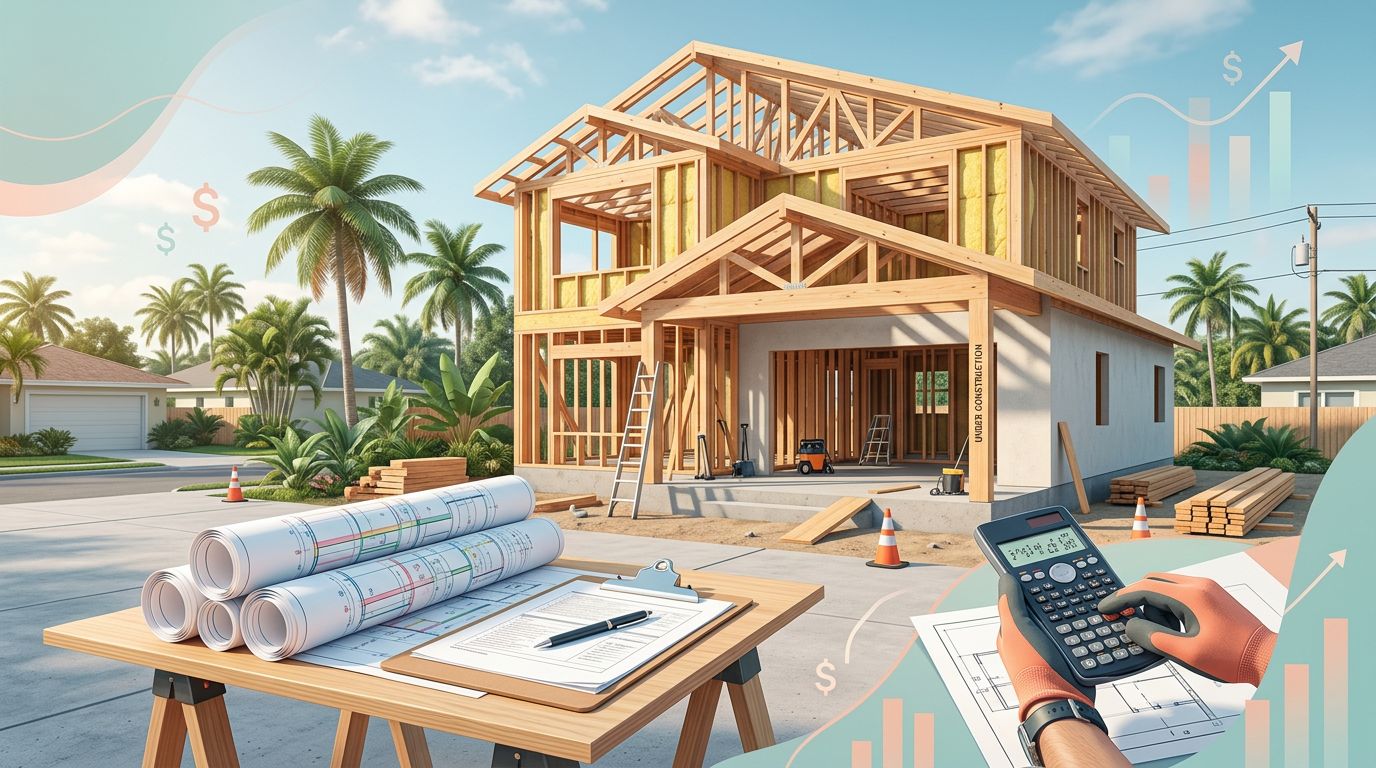
Your first builder invoice can be confusing because several payment systems may operate at the same time. If you're researching new home construction payments in Florida , you need to separate money paid directly to the builder from construction draws released by a lender.
There is no single payment schedule used by every Florida builder. Deposit amounts, refund rules, construction milestones, and final payment terms depend on the builder, the contract, the lot, and your financing. Understanding those terms before signing can help you plan your cash and avoid surprises.
Key Takeaways
- Buyer payments and lender construction draws are separate transactions.
- Deposits may be refundable, partially refundable, or nonrefundable under the contract.
- Construction milestones should use clear, measurable descriptions.
- Site work, upgrades, allowances, and change orders can alter the final amount.
- A Florida real estate attorney and lender should review your specific documents.
Buyer Payments and Lender Draws Are Different
A buyer may pay a builder directly at signing, during construction, or at closing. The payment schedule might include a deposit, design fees, upgrade charges, or progress payments. Some builders collect only an initial deposit and receive most of the contract price at closing. Others use several progress payments.
Your contract controls the payment obligation. A lender's schedule doesn't automatically change what you owe the builder.
Construction draws work differently. With a construction loan, the lender holds approved funds and releases them as work reaches agreed milestones. The builder submits a draw request, and the lender may review invoices, inspect the property, confirm progress, and request lien waivers before releasing money.
The lender's draw is usually paid from the loan, not from a new cash payment made by you at each stage. However, you remain responsible for the loan terms. During construction, your lender may require monthly interest payments based on the amount already borrowed. Some loans also require reserves, fees, or funds for cost overruns.
A construction draw is a lender-to-builder funding event. It is not automatically the same as a buyer-to-builder payment.
Payments made directly to the builder
A builder may require money when you sign the agreement or approve plans. That deposit can help cover design work, permit preparation, ordering materials, and other early costs. The contract should state whether the deposit applies to the purchase price.
You should also look for language about refundability. A deposit might be refundable if the builder can't obtain approval, or it might become nonrefundable after a stated period. Some contracts treat upgrades, custom designs, and special-order materials differently from the base deposit.
Draws released by a lender
Lender draws often follow construction stages rather than calendar dates. For example, a lender may release funds after foundation work, framing, roofing, rough plumbing, or final completion. The exact process depends on the loan agreement.
A delay in a draw can affect the builder's cash flow and the construction timeline. Ask who orders inspections, how long approvals take, and whether the lender charges inspection or draw fees. Get those answers before construction begins.
What a Florida New Home Payment Schedule May Include
A payment schedule should connect each payment to a defined event. Words such as "substantially complete" or "ready for next phase" need enough detail to avoid disagreement.
The table below is an illustrative framework only . It is not a standard Florida schedule, and the percentages or timing can differ substantially.
| Construction stage | Buyer may pay the builder | Lender may release |
|---|---|---|
| Contract signing | Initial deposit or design fee | Usually no draw yet |
| Plans, permits, and site preparation | Approved site costs or selections | An early draw, if the loan permits it |
| Foundation and slab | A contract progress payment | A draw after inspection |
| Framing and dry-in | An approved milestone payment | Funds for completed structural work |
| Rough-ins and interior work | Upgrade or progress payment | Draws based on verified progress |
| Final completion | Remaining balance, subject to contract terms | Final draw after required conditions |
| Closing | Closing funds and approved adjustments | Permanent loan funding, if applicable |
For example, an agreement might require a $20,000 deposit at signing, then separate payments after the slab and framing are complete. A construction lender could fund those same stages through draws. The buyer's $20,000 deposit and the lender's draw remain different obligations.
That example does not establish a normal deposit amount. A builder could require a different amount, use a different schedule, or collect the balance only at closing. Read the contract instead of relying on a schedule from another project.
Some construction-to-permanent loans combine construction financing and the long-term mortgage in one closing. Others use separate loan arrangements. During construction, the lender may fund only verified work, while the buyer covers costs that the loan does not approve.
Contract Terms Florida Buyers Should Review
The payment section is only one part of the agreement. The scope of work, allowances, deadlines, and cancellation provisions can affect your total cost just as much.
Review these terms before you sign:
- The deposit amount and due date , including whether the money applies to the purchase price.
- The conditions that make the deposit refundable, partially refundable, or nonrefundable.
- The base home's included materials, fixtures, appliances, landscaping, driveway, and other site improvements.
- The treatment of allowances, which are budget amounts for items that haven't been selected or priced completely.
- The definition of each payment milestone and the person who confirms completion.
- The process for written change orders, including the price, payment date, and effect on the schedule.
- The rules for delays, buyer cancellations, builder default, and missed payments.
- The requirements for the final payment, certificate of occupancy, walkthrough, punch list, and closing.
Allowances deserve close attention. Suppose a contract includes a $4,000 allowance for flooring, but your selections cost $6,500. The $2,500 difference may become a change order or additional buyer payment. Ask whether the allowance includes material, labor, delivery, taxes, or installation.
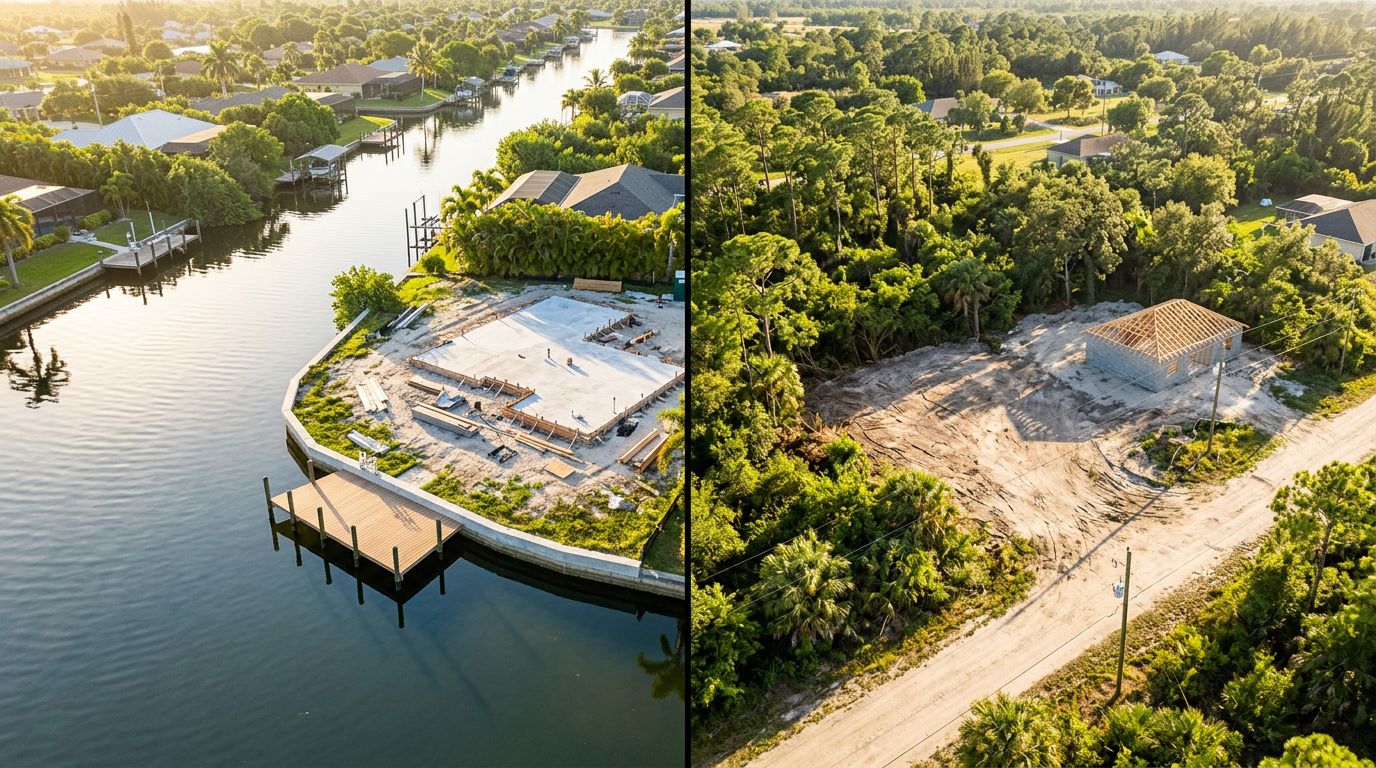
The contract should also identify costs connected to the lot. Depending on the property, the budget may need to account for clearing, fill, drainage, utility connections, septic work, wells, driveways, landscaping, or a seawall. Those items may be included, excluded, or listed as allowances.
A fixed-price contract still needs a clear scope. A base price can look attractive until upgrades and excluded site work enter the budget. Ask the builder to identify what is included in writing, not only in a model-home tour or conversation.
A payment schedule is only as clear as the construction scope behind it. If the contract doesn't define the work, it may not define the cost.
How to Plan Your Financing and Cash Flow
Start with the lender before signing a construction contract. The lender needs to review the builder, plans, specifications, appraisal, budget, and loan structure. Preapproval for a completed home doesn't always equal approval for a construction loan.
Ask the lender how these items will work:
- The maximum loan amount and whether the lender uses the lower of the total cost or the completed-home appraisal.
- The required down payment, cash contribution, reserve account, and contingency funds.
- The inspection process for each draw and the expected approval time.
- Your monthly payment during construction, including interest, fees, taxes, and insurance requirements.
- The treatment of upgrades, change orders, and costs that exceed the approved budget.
- The rate-lock period and any extension costs if construction takes longer than expected.
Keep cash available for expenses outside the construction loan. Those costs may include an appraisal, inspections, design changes, lender fees, closing costs, temporary housing, storage, or deposits that the lender won't reimburse.
Ask whether your deposit counts toward the required cash contribution. Also ask when the lender credits that deposit in its records. A builder receipt may help document the payment, but the lender decides how it treats the amount under its underwriting rules.
Change orders deserve a written approval process. Before approving a new window package, cabinet selection, flooring material, or layout change, confirm the added price and schedule effect. Avoid relying on verbal promises because the lender and builder may use different records.
Cash buyers face a different process. Without lender draws, the buyer may pay the builder directly under the contract. The buyer should still request invoices, receipts, completion records, and documentation for major payments.
Southwest Florida Details Can Affect Payment Timing
Construction schedules in Southwest Florida depend on more than the home design. The lot's location and condition can affect both the budget and the order of work.
Flood-zone requirements, finished-floor elevations, drainage, fill, foundation choices, and wind-related building products may affect plans and pricing. Coastal and barrier-island properties can also have additional permitting or site considerations. A lot in Cape Coral may have different utility or site requirements than a lot in Naples, Estero, Lehigh Acres, or Fort Myers.
Before signing, ask whether the price includes impact windows and doors, garage doors, insulation, utility connections, irrigation, landscaping, driveway work, and storm-related features. Confirm the product standards and brands where they matter. A phrase such as "hurricane-ready" needs a written description of the materials included.
Weather, permitting, inspection availability, material delivery, and buyer selection delays can move a milestone. The contract should explain how those delays affect payments and the closing date. It should also say whether the builder can request payment for completed work when another portion of the project is delayed.
A final payment may depend on more than visible completion. The lender or contract may require a final inspection, title documentation, lien releases, a certificate of occupancy, or other closing conditions. Ask who must provide each document and when.
This article is for educational purposes only. It isn't legal, lending, or financial advice. Have a qualified Florida real estate attorney and your lender review the specific construction contract, loan documents, payment schedule, deposit terms, and financing conditions before you sign.
Conclusion
New home construction payments in Florida can follow several paths, but the central distinction stays the same: buyer payments to the builder are separate from lender construction draws. Your contract should identify the amount, timing, refund rules, milestones, change-order process, and final payment conditions.
Review the lot costs and financing alongside the house price. When the builder, lender, and attorney all confirm the same schedule, you can move into construction with a clearer budget and fewer payment surprises.

Get a Free Estimate
Considering building a new home in Southwest Florida or remodeling your current home to make it your dream house? Contact us today to start the planning process.
Fill out the form or call (239) 565-9486