2026 Cape Coral Building Permit Cost for New Homes

A new home budget can look solid on paper, then the permit line items show up and change the math fast. In Cape Coral, building permit cost is not one fixed number, and that catches a lot of owners off guard.
If you're planning a new home with a professional home builder in Cape Coral , the permit budget needs attention before plans go in. The city uses fee schedules and calculators, and the total changes with size, value, trade scope, and site-related charges.
What Cape Coral permit costs look like in 2026
Cape Coral does not publish a single flat fee for every new house. The city's current system uses permit calculators and fee schedules, so the final amount depends on the project details.
A cautious planning range for many new homes looks like this:
| Fee category | Likely planning range | What affects it |
|---|---|---|
| Main building permit | about $1,000 to $10,000 | home size, valuation, scope |
| Plan review | often included or added separately | drawing complexity, corrections |
| Impact fees | about $3,347 to $3,700 per single-family home | city schedule, home type |
| Trade permits | varies by electrical, plumbing, mechanical work | number of systems and fixtures |
| Utility-related charges | varies widely | water, sewer, meter, tap work |
| Revisions and reinspections | small at first, then adds up | plan changes, failed inspections |
For many new homes, the total permit-related cost lands somewhere around $5,000 to $15,000 . That range is broad because Cape Coral fees stack up in layers.
The permit budget is rarely the number people expect. The base permit is only part of the bill.
A simple house on a clean lot may stay near the lower end. A larger home, or one with more utility work, can move higher fast.
Why two new homes can have very different permit totals
The size of the house matters, but it is not the only thing that matters. Cape Coral permit pricing also follows the declared construction value, which means upgrades can raise the permit base even when the floor plan stays the same.
Home size and valuation set the base
A 1,800-square-foot home and a 3,200-square-foot home do not create the same permit load. More square footage usually means more review time, more trades, and a higher project value on paper.
Valuation matters too. A simple build with standard finishes can cost less to permit than a similar-size home with higher-end materials, a more complex roofline, or extra structural detail.
That is why two bids can look close at first, then split apart once permitting starts. The permit fee follows the project value, not just the lot size.
Trade permits and utility items add layers
The main building permit is only one part of the picture. Electrical, plumbing, and mechanical permits often sit beside it, and each one can add cost.
Utility-related charges can be even more unpredictable. Water and sewer connections, meter work, tap fees, or related city charges can change the total depending on the lot and the utility setup.
That is where many owner-builders get surprised. The home itself may be priced, but the permit stack keeps growing around it.
Plan revisions and reinspection fees are easy to miss
A clean submittal saves money. A revised submittal usually does the opposite.
If plans change after review starts, the city may require another round of checks. If an inspection fails, a reinspection fee can show up. Neither one sounds large on its own, but both can slow the job and add cost.
The cheapest permit path is the one that moves through review and inspection without extra cycles.
Where permits fit in the new-home timeline
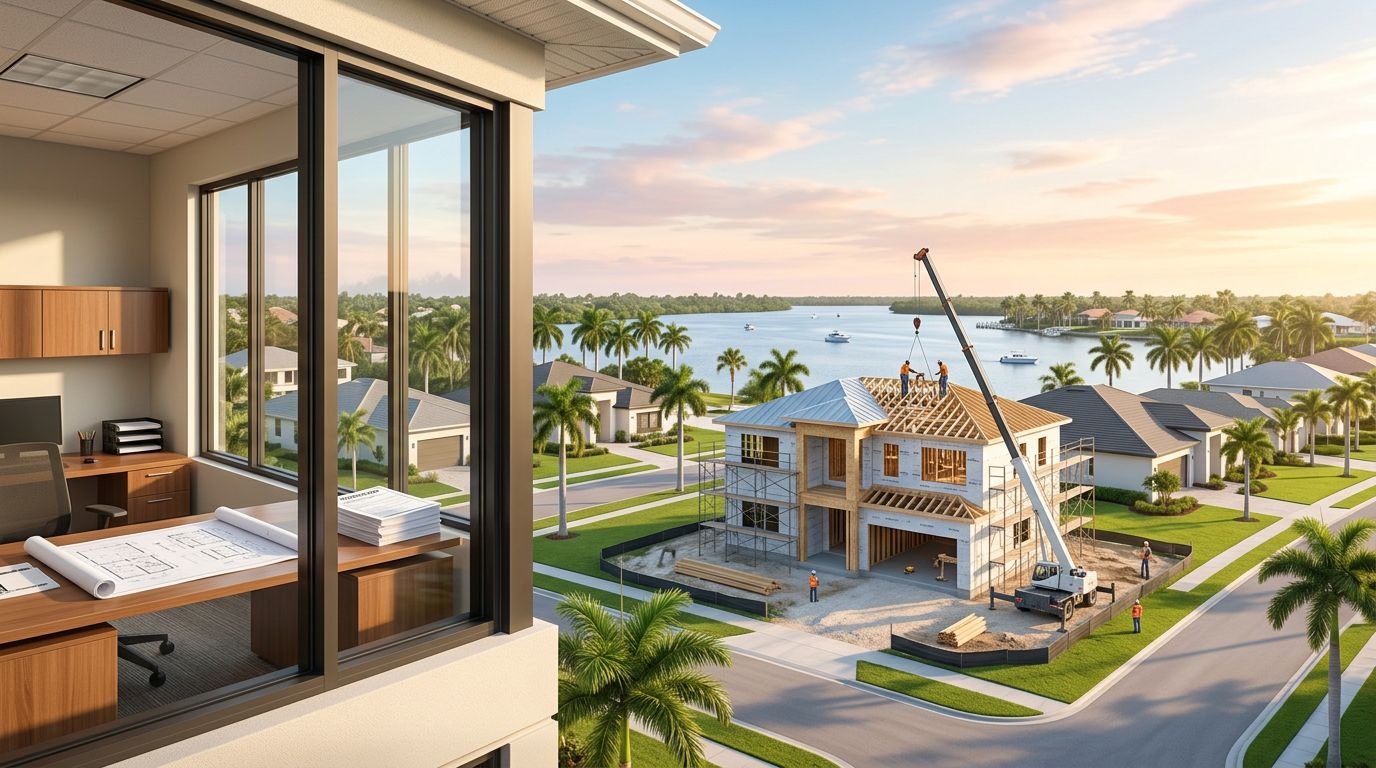
Permits come before the build starts, but they sit in the middle of the whole project budget. First comes the lot, then the plans, then the permit package, then the site work and construction schedule.
A builder should spell out who handles the permit package, who submits it, and who tracks corrections. That matters because delays often come from missing documents, outdated drawings, or unclear trade scopes. A good example is our home building process , where permit steps are handled as part of the larger build plan.
For owner-builders, the best move is to treat permitting like a project inside the project. If the permit file is clean, the rest of the timeline usually moves with less friction. If it is messy, every other phase feels the drag.
The practical question is simple. Does the bid include permit work, or only the main construction? The answer changes the real cost.
A practical budget plan for owner-builders
A permit budget works better when you break it into parts instead of guessing one lump sum. These steps keep the numbers clearer.
- Start with the city calculator and fee schedule.
Use those numbers as the base, not a rough guess from another project. - Separate the main permit from trade permits.
Electrical, plumbing, and mechanical permits deserve their own line in the budget. - Ask about impact and utility charges early.
Those fees can change fast, especially when the lot needs extra utility work. - Hold back a revision buffer.
A second plan review or one failed inspection can add cost, so leave room for it. - Keep permit money out of the general build allowance.
When permit funds sit in one bucket, they are easier to track and harder to overspend.
A builder can help here too. If the permit package is handled before construction starts, the budget is easier to read. The same is true when the scope is clear and the drawings match the field work.
Fee categories to confirm before you submit plans
Before you send plans in, confirm every fee that might land on the job. This quick check can save time later.
- Main building permit fee for the new home
- Plan review fee for architectural and structural drawings
- Electrical permit fee for service and branch work
- Plumbing permit fee for water, drain, and fixture work
- Mechanical permit fee for HVAC equipment and ductwork
- Impact fees tied to the home type and city schedule
- Utility connection or tap charges for water and sewer
- Reinspection fees if any inspection does not pass
- Revision or resubmittal fees if drawings change after filing
If one of these lines is missing, ask where it shows up. Sometimes the charge is bundled. Other times it appears later, when the permit file is already moving.
That is why a clean pre-submittal checklist matters as much as the plan set itself.
Conclusion
Cape Coral permit costs for a new home are easier to manage when you stop looking for one flat number. The real total comes from the main permit, trade permits, impact fees, utility charges, and the cost of changes along the way.
For 2026, the safest approach is to budget with caution, confirm every fee category before submittal, and leave room for revisions or reinspection. That keeps the permit side of the project from turning into a last-minute shock.
A clear permit budget makes the rest of the build feel a lot more stable before the first form is filed.


Get a Free Estimate
Considering building a new home in Southwest Florida or remodeling your current home to make it your dream house? Contact us today to start the planning process.
Fill out the form or call (239) 565-9486