
New Construction Home Inspection Cost in Cape Coral, FL (2026)
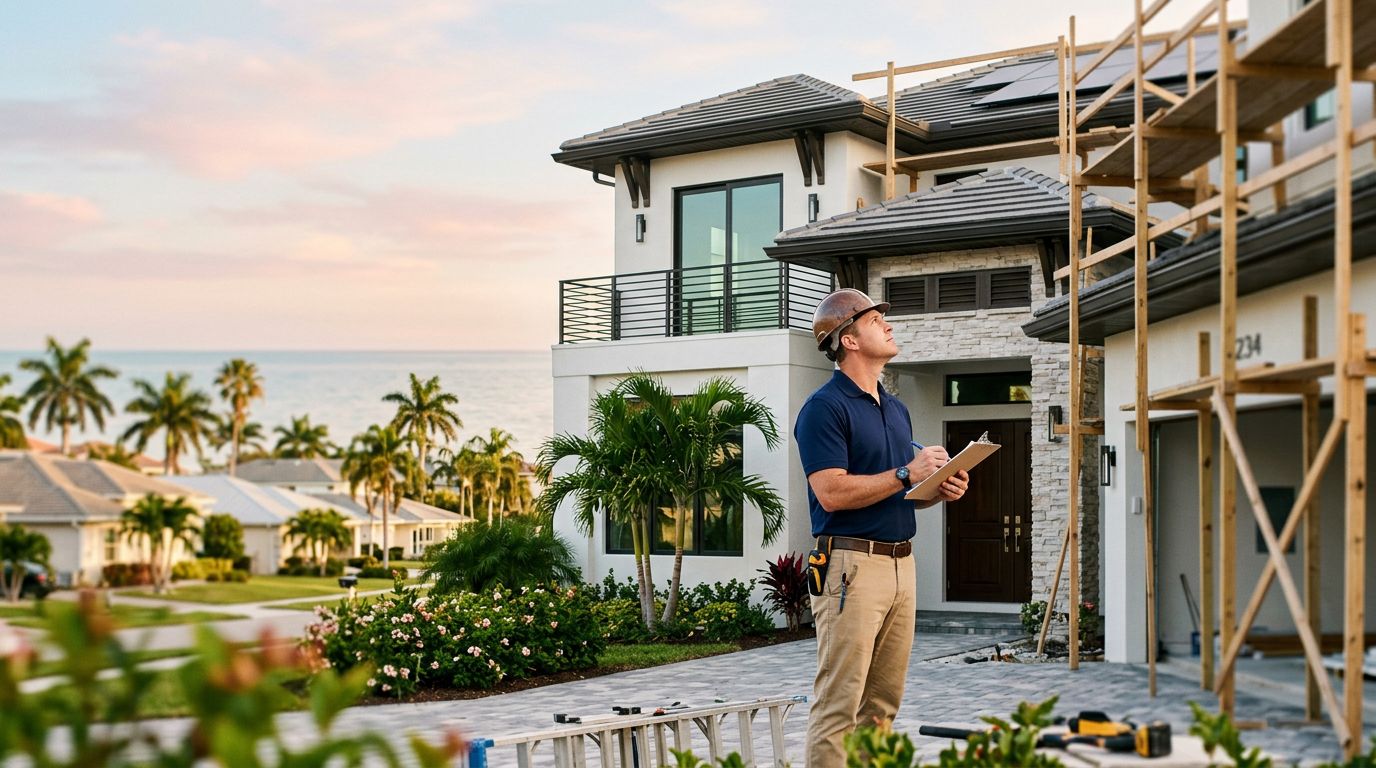
Fresh paint can hide a loose outlet, a bad seal, or a roof detail that needs a second look. That's why the new construction home inspection cost in Cape Coral matters before closing, not after.
In 2026, many buyers budget more than they expect, because a brand-new house still needs a careful check. The final price depends on home size, the stage of construction, access, and any extra tests you add.
If you're comparing quotes now, the numbers below will help you separate a fair price from a rushed one.
What the 2026 price looks like in Cape Coral
Most new construction inspections in Cape Coral land between $375 and $675 in 2026. Some buyers pay around $400 for a thorough visit, while very small homes can fall closer to $200 to $250 .
The range shifts for simple reasons. Bigger homes take more time. Homes with pools, multiple systems, or hard roof access take more time too. If the builder has already closed up walls, the inspector has less to check behind the finishes, so the work shifts toward visible systems and final details.
Accessibility also matters. A steep roof, a tight attic, or a messy lot can slow the inspection down. If the home sat unfinished for months, exposure to rain and humidity can create extra concerns, too.
A clear quote should match the size and stage of the house, not just the address.
| Inspection type | Typical Cape Coral price in 2026 | What it usually means |
|---|---|---|
| Single final inspection | $375 to $675 | One visit near closing for a full look at visible systems and finishes |
| Small new home | $200 to $250 | Compact floor plans with fewer rooms and less inspection time |
| Radon testing add-on | About $250 | Extra air-quality test, often booked with the main inspection |
| Mold testing add-on | About $660 | Helpful when moisture, leaks, or delays raise concerns |
| Pool or septic add-on | Varies | Extra systems usually mean extra fees and more testing time |
A lower price is fine only when the report still covers the right areas. A good inspection is measured by what it finds, not by how fast it ends.
A quote that skips testing or shortens the visit is cheap for a reason.
If the fee is far below the rest, ask what it leaves out. Short reports, limited photos, and no add-ons can make a low price look better than it is.
Single-phase vs phase inspections
A single inspection happens near the end of the build. The inspector reviews the home after most work is complete, then documents visible issues before closing.
Phase inspections spread that work across the build. Common checkpoints include foundation, pre-drywall, and final, so problems can be caught before they get buried behind finishes. That schedule lines up with the new home building process , where each stage opens a different window for inspection.
Here is the basic split:
- Single final inspection fits a home that is almost ready for move-in.
- Phase inspections fit a home still under construction, especially when you want eyes on hidden work.
- Multiple visits cost more overall, because each stage gets its own report and site time.
One approach is not wrong. A finished home with a simple layout may only need one final visit. A larger custom build with several trades on site can benefit from two or three checks.
Phase inspections are often the better choice when the home is large, the build is moving fast, or the lot has tricky access. They can catch framing, plumbing, or electrical issues before drywall hides them. That timing matters in Cape Coral, where weather and tight schedules can compress a build.
What a new home inspection usually covers
A new construction inspection is more than a punch-list walk. It looks at the parts of the home that affect safety, function, and long-term wear.
An inspector usually checks:
- Structure and framing , including visible cracks, alignment, and unfinished connections.
- Roofing and exterior details , such as flashing, shingles, siding, and penetrations.
- Windows and doors , especially fit, sealing, locking, and smooth operation.
- Plumbing and drainage , with attention to leaks, fixtures, grading, and water flow.
- Electrical and HVAC systems , including panels, outlets, vents, and basic operation.
- Attic and insulation , where heat, moisture, and ventilation problems often show up.
- Garage, lanai, and other spaces , if they are part of the finished home.
In Southwest Florida, moisture matters just as much as appearance. A clean wall can hide a poor seal. A good inspector watches for signs of water intrusion, uneven settling, and anything that could turn into a repair later.
Inspectors usually do not open walls, move heavy appliances, or test every system like a warranty tech would. Their work is visual and practical, so they focus on signs that point to deeper problems.
Cosmetic flaws may appear in the report too, but the main goal is performance. A crooked trim board is annoying. A missed plumbing leak is expensive.
Why new homes still need a careful check
New construction can look perfect on closing day and still carry small defects. Trade crews move fast. Weather interrupts work. Different subcontractors touch the same space at different times.
That is why a third-party inspection matters even when the builder has already done walkthroughs. It gives you another set of eyes on details that are easy to miss, especially when the home is still fresh. It also helps you avoid the kind of problems covered in common mistakes to avoid when building a new home.
A new build can pass a final walkthrough and still have small defects that show up later.
Cape Coral buyers should pay close attention to roof penetrations, window seals, door operation, and drainage around the slab. Those spots often take the first hit from wind and rain. If the home includes impact-rated openings, those still need to be checked for fit and seal, because the label on the window does not fix a bad installation.
HVAC deserves a close look too. Even new equipment can have loose drain lines, poor airflow, or insulation gaps around ducts. In a hot, humid place, small misses add up fast.
Some owners also book a warranty inspection near the end of the first year. That gives them a chance to catch items before the builder's warranty window closes. It is a simple way to protect a home that still looks brand new.
How to budget without guessing
The easiest way to budget is to compare quotes with the same scope. One inspector may include photos, a summary of repair items, and thermal imaging. Another may only provide a short report. Those are not the same service, even if the price looks close.
If your home is still under construction, timing matters too. A pre-drywall visit needs access before the walls close. A final inspection needs enough time after trim, fixtures, and appliances are in place. If you want to see where those visits fit, the home building process shows how the work moves from site prep to final punch list.
Before you book, ask about these cost drivers:
- Home size and total square footage.
- Stage of construction and how many visits are needed.
- Roof access, attic access, and any hard-to-reach areas.
- Add-ons such as radon, mold, pool, or septic testing.
- Whether the report includes photos and a clear repair list.
For Cape Coral buyers, add-ons can change the final bill fast. Radon testing often adds about $250 . Mold testing can add about $660 . Pool and septic checks, when needed, add their own fees. If a quote leaves those items vague, ask for a written breakdown before you agree.
A fair price is the one that fits the home you are buying. A larger property, a more complex layout, or a delayed build can all push the cost up a bit. That is normal. What matters is that the inspection still gives you a full picture before you close.
Conclusion
Fresh paint can hide more than scuffs, and that is why a new build still deserves a close look. In Cape Coral, a 2026 new construction home inspection cost usually falls around $375 to $675 for a single visit, with the final number shaped by size, access, and add-ons.
Phase inspections cost more, but they can catch problems earlier, before they get covered up. For many buyers, that extra timing is worth the added fee.
A new home should feel new for the right reasons, with the finish and the work behind it both in good shape.
Get a Free Estimate
Considering building a new home in Southwest Florida or remodeling your current home to make it your dream house? Contact us today to start the planning process.
Fill out the form or call (239) 565-9486