
2026 Drywall Repair Cost in Cape Coral, FL
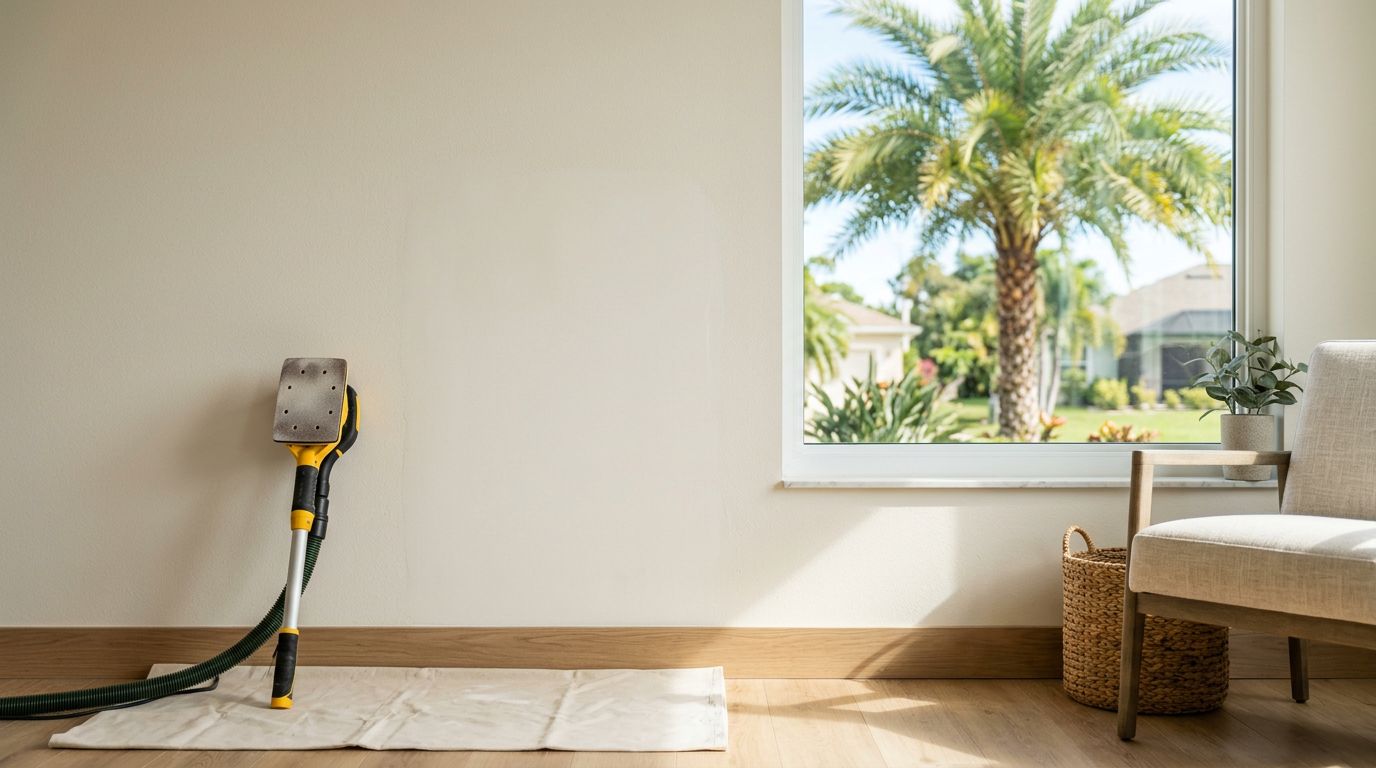
A small drywall repair in Cape Coral can stay fairly modest, but the bill can climb fast when moisture, ceilings, or texture matching enter the picture. A nail pop is one thing. A water-stained ceiling after a leak is another.
If you're trying to budget for drywall repair cost in Cape Coral , the safest number comes from the damage itself, not a rough guess. Wall size, access, repainting, and hidden water issues all change the final price.
Typical 2026 drywall repair prices in Cape Coral
Cape Coral homeowners usually see a wide spread because drywall work can mean anything from a fast patch to a full section replacement. In 2026, many individual repairs fall into these ranges:
| Type of repair | Typical 2026 cost in Cape Coral |
|---|---|
| Small nail or screw holes | $75 to $200 |
| Medium patch, about 1 to 2 square feet | $200 to $450 |
| Large holes or cracks | $400 to $800 |
| Water-damaged drywall | $500 to $1,200+ |
| Ceiling drywall repair | $300 to $900 |
Those numbers cover common repair jobs, but they do not always reflect every add-on. A larger project with several damaged areas, more labor, and finish work can land around $1,422 to $2,845 for a single job.
That higher range usually shows up when the repair is more than a quick patch. It can include multiple rooms, harder access, or a job that needs replacement, finishing, and repainting. If the damage is big enough to move beyond repair and into replacement, this 2026 drywall installation pricing guide gives a better sense of the next budget tier.
The patch is only part of the price. The finish has to disappear into the rest of the room.
A repair that looks simple at first can still take time if the wall has texture, the ceiling is high, or the paint needs to blend. That is why two jobs with the same hole size can end up with very different quotes.
What changes the drywall repair quote
The biggest price swing comes from the scope of the work. A small hole near the floor costs less than a crack that runs across a ceiling seam. The more layers the contractor has to touch, the higher the labor.
Damage size matters first. A tiny dent takes less material and less time. A long crack, loose seam, or broken corner needs more prep, more tape, and more finishing coats.
Location also changes the bill. Walls are usually easier than ceilings. Ceiling work often needs ladders, extra setup, and more careful sanding, so the labor rate rises.
Texture matching is another major factor. Many Cape Coral homes use orange peel, knockdown, or another textured finish. If the patch is smooth but the wall is textured, the repair will stand out. For a blended result, quality drywall patching and texture matching matters just as much as the patch itself.
Repainting can add a surprising amount. Some contractors stop at ready-to-paint drywall, while others include primer and paint blending. If the repaired section sits in the middle of a visible wall, the painting step often becomes part of the real cost.
Accessibility changes labor, too. A patch behind cabinets, near built-ins, or in a tight hallway takes longer. If the crew needs to move furniture or protect finished surfaces, that adds time.
Hidden damage can turn a simple quote into a bigger repair. If the drywall is soft, swollen, or stained, the surface may need more than patching. Wet material often has to come out before a clean repair can begin.
Cape Coral conditions that often raise the bill
Cape Coral homes deal with humidity, storms, and water intrusion more often than homes in drier places. That matters because drywall does not hold up well once it gets wet. A stain on the surface may hide a damaged backer, a soft seam, or mold growth behind the wall.
Roof leaks are a common reason a homeowner calls for repair. So are plumbing leaks, AC condensation issues, and storm damage. When water has soaked into the drywall, the work can shift from patching to removal and replacement. In those cases, repairing drywall after hurricane damage often involves drying, inspection, and sometimes mold remediation before the wall goes back together.
That extra step matters because wet drywall does not always dry in place. If the board breaks down, crumbles, or stays stained, a patch may not hold up long term. A contractor may need to cut back to solid material and rebuild the section.
Ceilings create another local cost point. Many Cape Coral homes have ceiling repairs after roof leaks, AC problems, or settling cracks. Because ceiling damage is harder to reach and harder to finish cleanly, the price usually sits above a similar wall repair.
Older finishes can also make the job trickier. If a home has been remodeled before, the new patch has to match old work, not just the original wall. That can take more sanding, more texture, and more paint blending.
Why texture and paint matter more than most homeowners expect
A drywall patch can look fine at first glance and still stand out after the paint dries. That happens when the patch is flat, but the rest of the wall has a heavier texture. It can also happen when fresh joint compound absorbs paint differently than the surrounding surface.
This is why many repair quotes include more than one pass. First comes the cutout or patch. Then comes tape, mud, sanding, and texture. After that, the area may need primer and paint. Each step adds labor, and each step affects the final look.
Homes with orange peel or knockdown finishes often need extra attention. Those textures are common because they hide minor flaws and hold up well in everyday use. However, they also make repair matching more exact. A mismatch that seems small during daylight can become obvious at night when the light hits the wall at an angle.
If a repair touches a large section of ceiling or wall, matching can become the most important part of the quote. A clean patch that does not blend in still feels unfinished. That is why good drywall work is often judged by what you do not notice.
A homeowner should also ask whether the price includes repainting the full wall or just the repaired area. Partial paint blending can work in some rooms, but it does not always match older paint that has faded.
How to compare drywall repair quotes without getting surprised
A good quote should tell you what the crew plans to fix and what they plan to leave out. If it only lists "drywall repair," ask for the full scope in plain language.
Start with the size of the repair. Make sure the contractor knows whether you're dealing with one hole, several cracks, or a section that may need to be replaced. Next, ask about finish level. A repair that stops at sanding is different from one that includes texture and primer.
Then ask about paint. If the wall needs a repaint, find out whether that is part of the quote or a separate line item. Color matching can take time, especially if the original paint has aged in the Florida sun.
It also helps to ask how the crew will handle hidden damage. If there is water staining, soft drywall, or mold concern, the contractor should explain whether they will cut out the bad material or stop at the surface. That detail can change the price by a lot.
A simple quote comparison can help you sort the options:
- One bid may cover only patching and sanding.
- Another may include texture matching and primer.
- A third may include repainting and cleanup.
The lowest number is not always the best value. If the repair has to disappear into a finished room, the right scope matters more than the cheapest line on the page.
Conclusion
Drywall repair pricing in Cape Coral starts with the size of the damage, but it rarely ends there. A small patch may stay in the lower range, while a ceiling leak or water-damaged section can push the bill much higher.
Texture matching, repainting, access, and hidden moisture all shape the final number. When a contractor gives you a quote, the most useful question is simple: what does this price actually include?
That question matters most in Cape Coral, where humidity and storm-related damage can turn a basic repair into a larger fix. The right estimate is the one that matches the wall, the ceiling, and the condition behind the paint.

Get a Free Estimate
Considering building a new home in Southwest Florida or remodeling your current home to make it your dream house? Contact us today to start the planning process.
Fill out the form or call (239) 565-9486