
Cape Coral Certificate of Occupancy Cost in 2026

The Cape Coral certificate of occupancy cost in 2026 is not a single number. In most cases, the city ties the final amount to your permit file, your project size, and the inspections needed before move-in.
That makes budgeting tricky if you're building a new home or finishing a commercial space. A clean project stays more predictable, while a delayed one can pick up re-inspection and admin fees along the way.
The short answer: there isn't one fixed price
Cape Coral does not publish one flat Certificate of Occupancy fee that fits every job. Instead, the city calculates the total based on the permit, review, and closeout steps tied to the property.
People often use "certificate of occupancy cost" as a shortcut for the full bill needed to reach approval. That bill can include plan review, inspections, utility connection work, and impact fees, so the CO itself is only one piece of the total.
The CO is the last step, but the budget is shaped long before final inspection.
If you are trying to estimate your numbers, the city's permit calculator is the right starting point. For many projects, that gives a better picture than looking for a single posted CO price that doesn't exist.
What drives the cost in Cape Coral
New single-family homes
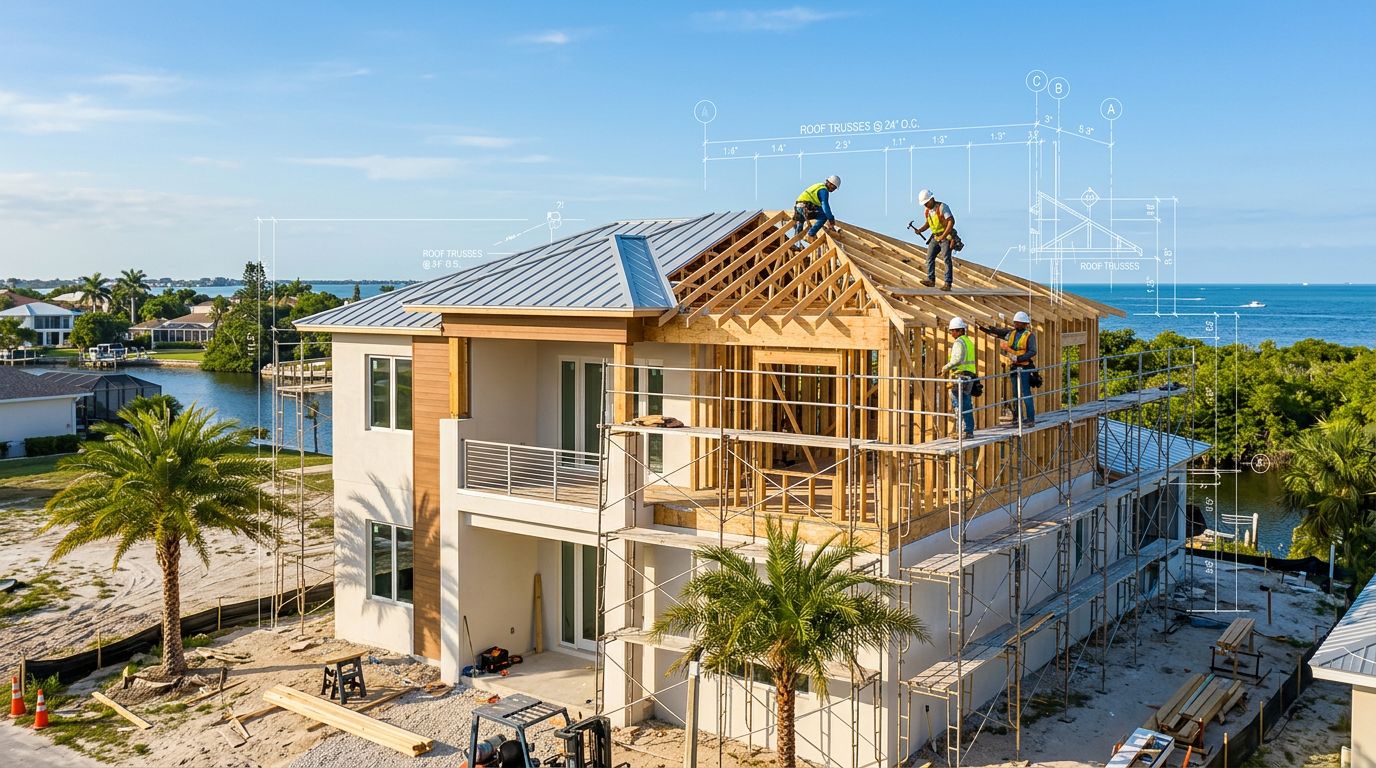
For a new build, custom new home construction usually carries the largest permit bill because square footage and construction value drive the math. The bigger the home, the higher the permit-related cost usually goes.
Impact fees matter too. Roads, fire, police, parks, and schools can all affect the final total. Utility connection fees for water and sewer can add more. For a typical new single-family home, total permit-related costs often land somewhere between $5,000 and $20,000+, depending on scope and value.
Remodels and additions
A remodel can look cheaper on paper, but that depends on what changes. Some interior updates need permits and inspections, while others don't trigger a new CO at all.
A project that changes the home's footprint, use, or approved occupancy can create a different cost path. If your work fits under professional home remodeling services , the main budget pressure often comes from permit revisions, inspections, and any required corrections before the city signs off.
Commercial spaces
Commercial projects usually face a broader review. Use type, life-safety items, fire review, and tenant build-out work can all affect the total.
A business also needs the right occupancy approval before opening its doors. A Business Tax Receipt does not replace a Certificate of Occupancy, so commercial owners need to budget for the permit path, not just the final permit stamp.
Here is a quick comparison of how the cost pressure usually shows up.
| Project type | What usually affects the total | What to budget for |
|---|---|---|
| New single-family home | Square footage, construction value, impact fees, utility connections | Permit, plan review, inspections, possible TCO |
| Major remodel or addition | Scope of work, structural changes, permit re-review | Permit revisions, re-inspections, occupancy-related approvals |
| Commercial tenant build-out | Use classification, code review, life-safety items | Higher review time, inspections, admin fees |
The table makes one thing clear. The CO itself is rarely the biggest line item. The permit trail that leads to it usually costs more.
Fees people often confuse with the CO cost
A lot of owners ask about the CO fee when they really want the full closeout cost. Those costs can stack up fast if the job is not ready on the first pass.
Common items include:
- Building permit and plan review fees
- Impact fees tied to growth and public services
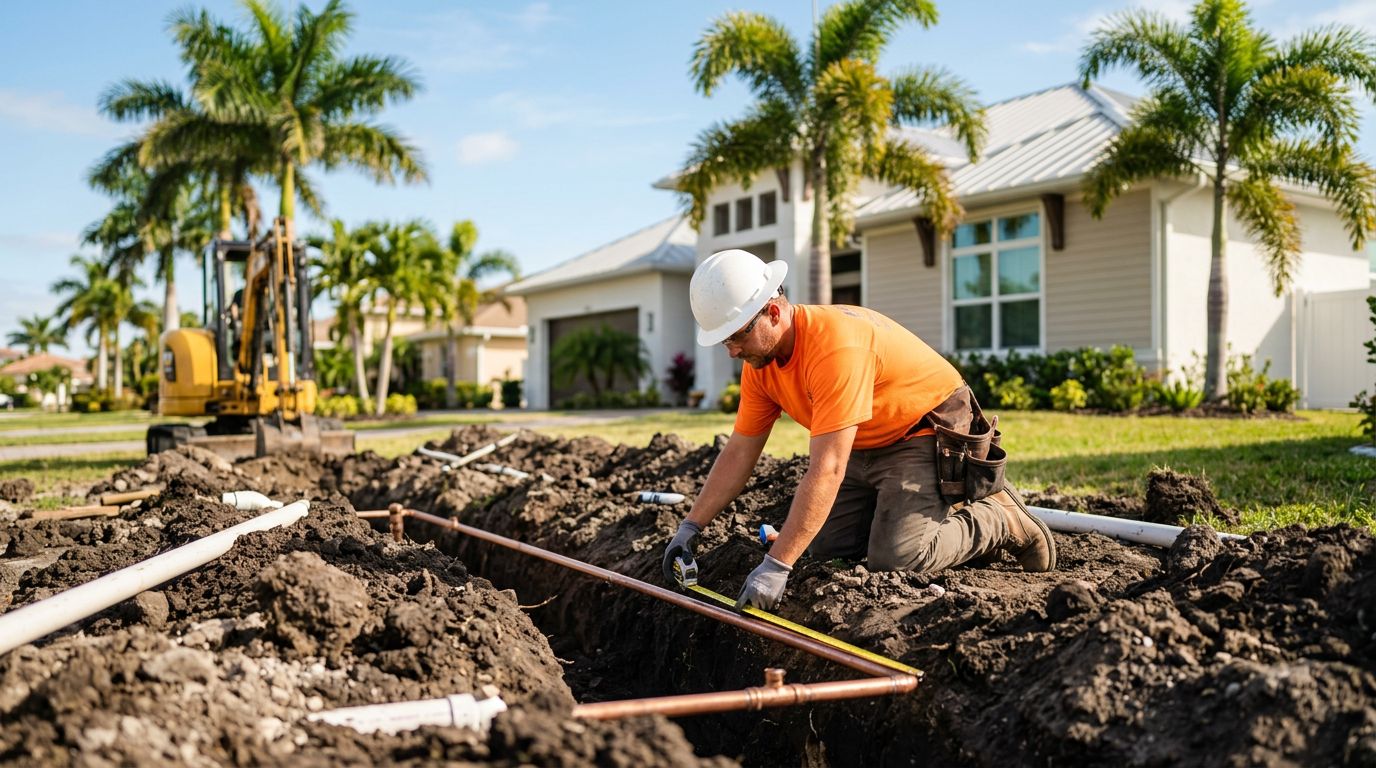
- Utility connection fees for water and sewer
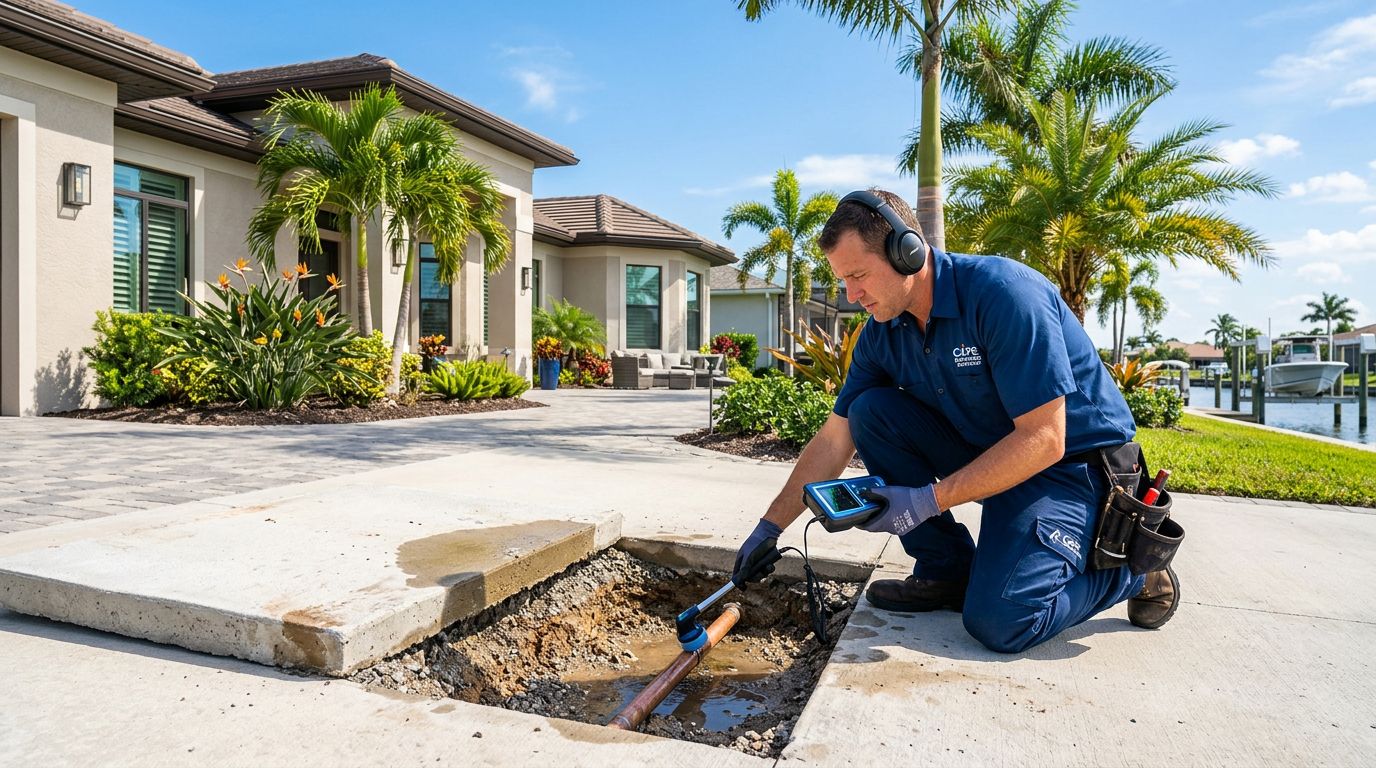
- Inspection and re-inspection charges
- Administrative or issuance fees
- Temporary Certificate of Occupancy costs, if the project needs extra time
For Cape Coral projects in 2026, the timing matters as much as the amount. If an inspection fails, the re-inspection fee may be small, but the delay can slow down your move-in or opening date.
How to budget without getting surprised
The easiest way to stay ahead of CO costs is to treat them as part of the full permit budget, not as an afterthought.
- Confirm whether your project needs a new CO, a TCO, or only permit closeout.
- Ask for the city estimate early, before final plans are locked in.
- Reserve money for re-inspections, corrections, and permit revisions.
- Keep subcontractor schedules tight, so final inspections happen on time.
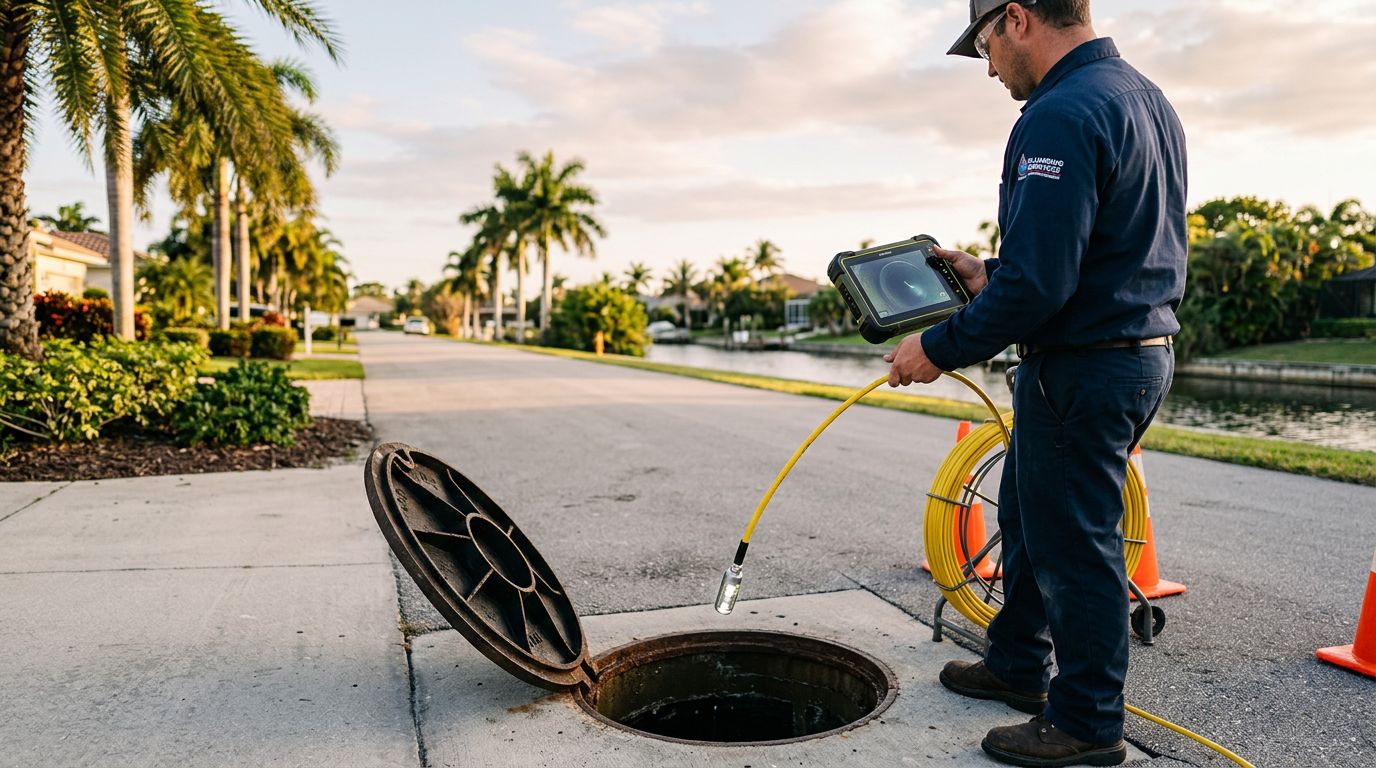
- Check utility tie-ins early, especially on new construction.
That last point matters more than many owners expect. A home can look finished and still sit one inspection away from approval. Cape Coral will not let you occupy a building without the proper sign-off, so the final schedule should always leave room for one more city visit.
The main takeaway for homeowners, builders, and investors
Cape Coral's 2026 CO cost works more like a moving total than a posted ticket price. The city looks at your project details, then adds the charges tied to permit review, inspections, and closeout.
For homeowners, that means remodels and additions may cost far less than new construction. For builders and investors, it means the best budget is the one that includes permit time, utility work, and the chance of a re-inspection.
The safest plan is simple. Get the estimate early, keep the job moving, and don't treat the Certificate of Occupancy as a separate line item. In Cape Coral, the final approval is only the last step in a much larger cost picture.


Get a Free Estimate
Considering building a new home in Southwest Florida or remodeling your current home to make it your dream house? Contact us today to start the planning process.
Fill out the form or call (239) 565-9486