
Cape Coral Vacant Lot Checklist Before You Buy
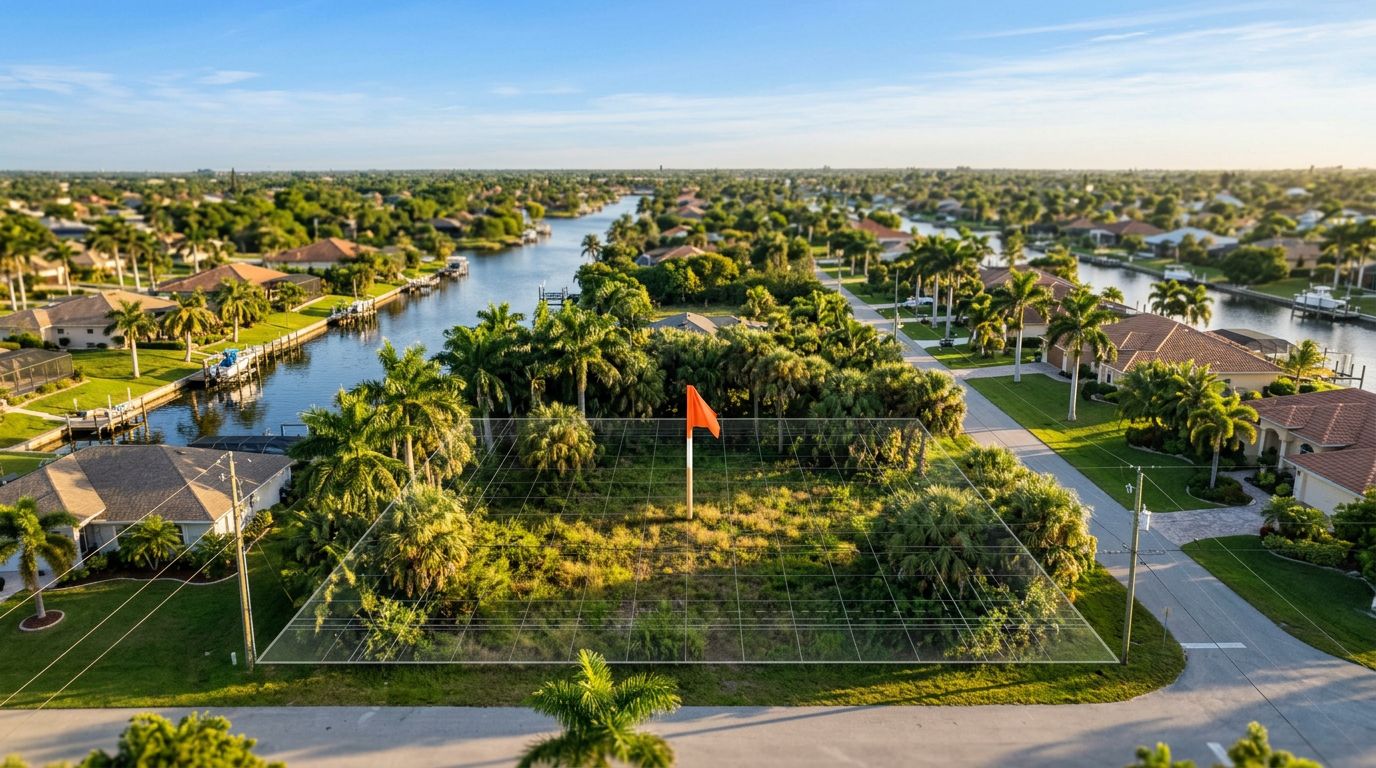
Buying a lot in Cape Coral can look simple at first glance. A clean parcel and a fair price can hide a long list of costs that do not show up in the listing.
That is why a Cape Coral vacant lot needs a real check before you make an offer. Title issues, flood rules, utility assessments, and site limits can change the total project cost fast.
Start with the basics, then work through the items that affect buildability, budget, and timing.
The first checks to make before you offer
A low lot price can be the start of a high-cost project if the site needs more work than you planned.
Use this quick pass before you go any further:
- Confirm the seller has clear ownership.
- Check for liens, unpaid taxes, or title gaps.
- Verify zoning, setbacks, and future land use.
- Look up the flood zone and base flood elevation.
- Ask if water, sewer, and electric are already at the site.
- Review road access, frontage, and easements.
- Check for tree, wetland, or wildlife limits.
- Add up all fees, assessments, and site prep costs.
- Match the lot to a real home plan, not just a rough idea.
If one of those items is unclear, slow down. A few extra hours now can save months later.
Check the records before you trust the listing
The listing sheet is not the final word. County and city records tell you what the land really is.
Start with the legal description, parcel size, and owner name. Those details should match the seller's story. If they do not, ask why. A missing transfer, a broken chain of title, or an old lien can create trouble at closing.
You also want to check tax status. Unpaid taxes, code liens, or other claims can follow the property. In a market like Cape Coral, that matters because the lot may already look inexpensive while the hidden balance sits in the background.
A survey is just as important. It shows the true lot lines, easements, and any encroachments. Without it, you are guessing about the footprint of the future home, driveway, and setbacks.
If the lot is described as oversized, double, or split in a special way, make sure the legal description backs that up. Marketing language can be loose. The recorded documents are not.
Make sure the lot can hold the home you want
A lot can be buildable and still be a poor fit for your plan. That is where zoning, setbacks, and lot shape matter.
Check current zoning first. Then look at future land use. The first tells you what you can build now. The second helps you understand how the area is planned over time.
Setbacks are another common surprise. You may have enough square footage on paper, but not enough width for the house you want. Driveways, side yards, pool space, and a garage all need room.
Easements matter here too. Utility easements, drainage easements, and right-of-way lines can cut into usable space. A lot may look wide from the street, then shrink fast once those limits are marked.
If you already have a floor plan in mind, compare the lot against it early. That can keep you from paying for land that will not fit your build. If you want to compare options, the available home models are a useful place to see how lot size and house footprint work together.
Some neighborhoods also carry deed restrictions or HOA rules that are stricter than city code. Those rules may control setbacks, exterior choices, fence height, or parking. Read them before you picture the finished home.
Flood, utilities, and access can change the math
Cape Coral buyers need to treat site conditions as part of the purchase price. A lot that looks ready can still need major work.
Flood zone is a big one. Look up the FEMA zone and, if needed, the base flood elevation. Those numbers affect design, foundation height, and insurance. A lower purchase price can disappear once flood costs enter the picture.
Utilities are just as important. Confirm whether city water, sewer, and electric are already at the lot. If they are not, the site may need costly extension work or a different utility setup. In some parts of Cape Coral, utility assessment balances also matter, so ask whether the prior owner has paid them off.
Road access deserves a close look too. A lot should have legal access to a public road, not just a physical opening that looks usable. Frontage, curb cuts, and right-of-way limits can all affect the build.
If the lot is waterfront, add seawall status to the list. A missing or damaged seawall can become one of the largest expenses in the project. Canal access, dock rules, and waterfront setbacks also need review.
If you want to pair land with a new build plan, it helps to talk with a builder early. The Cape Coral new home construction specialists can help you see whether the site fits the home you have in mind before you commit.
Hidden costs that show up after the offer
The purchase price is only the first number. Several other costs can move the project budget up fast.
Here is a simple way to compare the items that matter most:
| Cost item | Why it matters | What to ask |
|---|---|---|
| Utility assessments | They can add to your total land cost | Is the balance paid off? |
| Flood insurance | It affects long-term carrying cost | What zone and elevation apply? |
| Survey and clearing | They shape the build site | Are they already done? |
| Seawall work | It can be a major waterfront expense | Is there one, and what shape is it in? |
| Tree or wetland permits | They can delay site work | Are there any protected areas? |
The table is the short version. The long version starts with clearing, fill, and grading. Some lots need more prep than buyers expect, especially if the grade is low or the drainage is poor.
Then there are permits and reports. A soil test, elevation certificate, survey, and tree permit can all show up before a foundation is even planned. Each one costs money, and each one takes time.
Cape Coral also has recurring charges that some buyers miss. Lot mowing, stormwater, and fire-related assessments can add to annual carrying costs. They may not sound large on their own, but they matter when you hold the lot for months before building.
A cheap lot can become the most expensive part of the project if the site work is heavy.
Red flags that deserve a closer look
Some warning signs mean you should pause, ask more questions, or walk away.
- The owner name on the listing does not match the records.
- Liens, unpaid taxes, or code cases show up in the search.
- The survey is missing, old, or inconsistent with the listing.
- The lot is in a flood zone that changes the foundation plan.
- Water, sewer, or electric are not available at the site.
- Easements or setbacks leave too little room for the home.
- The lot needs a seawall and the condition is unknown.
- Wildlife, wetlands, or tree rules may delay clearing.
- The listing calls it two lots, but the legal description says one.
- The price looks low, but the total assessment balance is high.
Those are not always deal breakers. They are signals to slow down and price the land honestly.
A lot with one or two issues may still work. A lot with several of them can turn into a long, expensive hold. For investors, that means thinner margins. For future homeowners, it means more stress before construction starts.
Compare two lots the right way
When you are looking at several Cape Coral lots, compare them on total build cost, not just price per lot. A cheaper parcel can lose fast if it needs more prep, deeper fill, or a costly utility setup.
This simple side-by-side check helps:
| Comparison point | Better lot | Lot to question |
|---|---|---|
| Access | Clear legal road access | Unclear frontage or access issues |
| Utilities | Water, sewer, and electric nearby | Missing utility connections |
| Flood risk | Lower elevation burden | Higher flood-related design costs |
| Site prep | Light clearing and grading | Heavy fill, clearing, or seawall work |
| Paper trail | Clean title and survey | Gaps in records or unclear boundaries |
Use the same process for every lot you review. That makes the real differences stand out. It also helps you avoid falling in love with the first property that looks affordable.
If you already know the kind of home you want, keep that plan in view while you compare lots. Bedrooms, garage size, setbacks, and yard space all affect whether the land is a fit. A lot should support the house, not force the plan into a shape that costs more later.
Conclusion
A Cape Coral lot can look ready on the surface and still carry a long list of hidden costs. The records, flood zone, utility setup, and site limits tell the real story.
If the lot passes the title , buildability , and site cost checks, you can move forward with more confidence. If it does not, the best deal may be the one you walk away from.
Get a Free Estimate
Considering building a new home in Southwest Florida or remodeling your current home to make it your dream house? Contact us today to start the planning process.
Fill out the form or call (239) 565-9486