
Florida New Home Builder Warranty Guide for Cape Coral
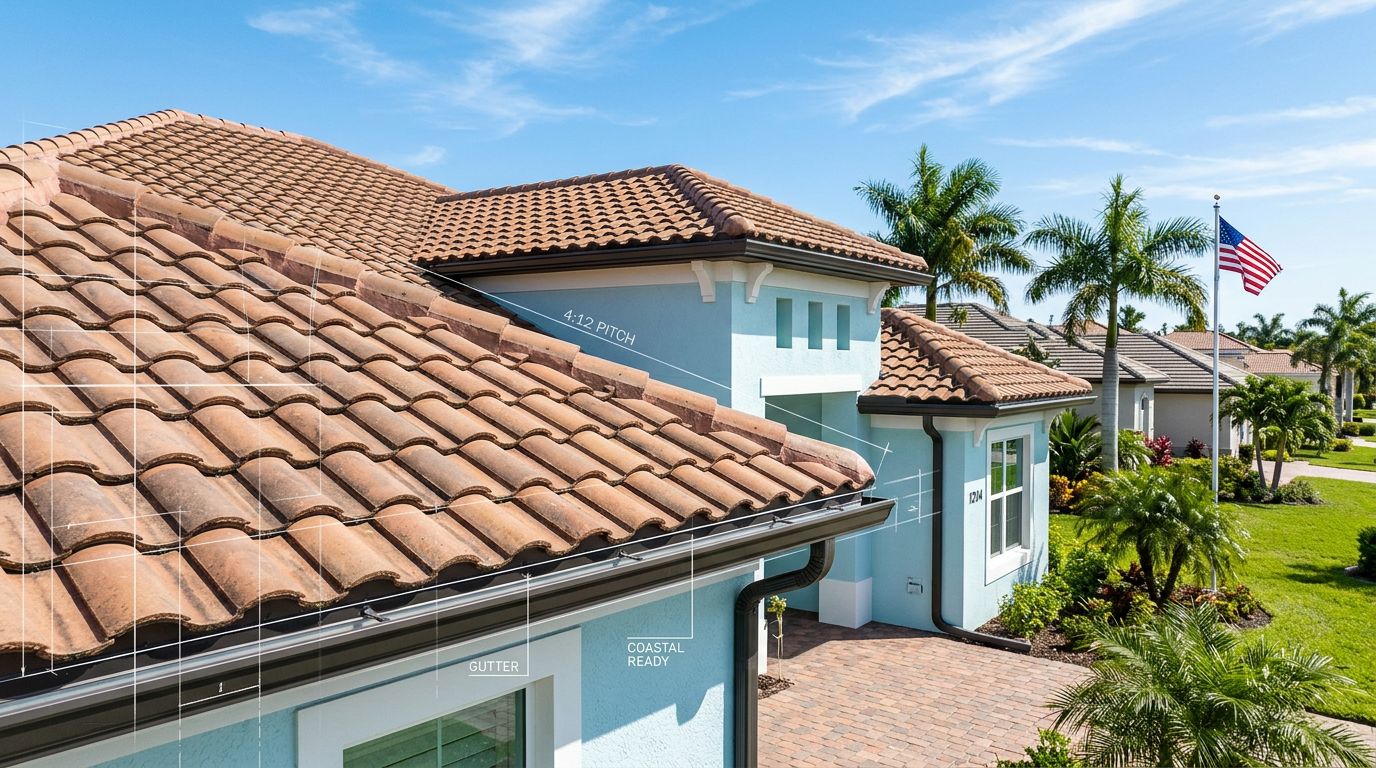
A new home warranty can protect you from expensive defects, but only if you understand what the builder promised before closing. In Cape Coral, coastal weather, salt air, heavy rain, humidity, and drainage conditions add details that buyers shouldn't overlook.
A Florida new home builder warranty usually combines the builder's written coverage, manufacturer warranties, and legal rights that may apply under the purchase contract. Those protections don't cover every repair, and the claim process often has strict deadlines. Start by learning what your documents say, then inspect the home with Cape Coral conditions in mind.
Key Takeaways
- Florida doesn't provide one standard warranty form or automatic 10-year warranty for every new home.
- Builder warranties often separate workmanship, home systems, and structural defects, but the exact terms depend on the contract.
- Coastal buyers should inspect drainage, stucco, windows, doors, roofing, HVAC equipment, plumbing, and signs of moisture.
- Report defects in writing, follow the builder's procedure, and keep photographs, inspection reports, and repair records.
- Warranty rights, dispute procedures, and legal deadlines depend on the purchase contract and circumstances. This guide is educational, not legal advice.
What a Florida New Home Builder Warranty Usually Covers
Most new construction warranties divide defects into categories. The names and time periods vary, so your signed warranty matters more than a sales representative's verbal summary.
The first category is workmanship and materials . This may include improperly installed doors, damaged trim, loose hardware, cracked tile, drywall problems, paint defects, or other finish issues. Builders often give this coverage for about one year, although some items have shorter reporting periods.
The second category covers home systems . Plumbing, electrical, and heating or cooling systems may receive longer coverage than cosmetic work. Two years is common in many warranty programs, but no standard period applies to every builder or contract.
Structural coverage addresses major load-bearing components, such as the foundation, structural walls, beams, columns, and roof framing. Some third-party warranty programs advertise 10-year structural coverage. That period doesn't mean the entire home receives 10 years of protection. It also doesn't mean every crack or movement qualifies as a structural defect.
A warranty normally covers a defect that results from faulty construction, installation, or materials. It generally doesn't cover damage caused by an owner, normal wear, poor maintenance, an insured storm event, insects, landscaping changes, or unauthorized alterations. The exclusions can matter as much as the coverage section.
| Warranty category | Common examples | Common time frame |
|---|---|---|
| Workmanship and materials | Drywall, trim, paint, doors, cabinets, tile | Often about one year |
| Home systems | Plumbing, electrical, HVAC equipment or installation | Often one to two years |
| Structural components | Foundation, framing, load-bearing walls | Sometimes up to 10 years |
| Manufacturer products | Appliances, HVAC units, windows, pumps | Set by each manufacturer |
These time frames are examples, not promises. Your documents may use different periods, start dates, exclusions, and claim requirements.
Florida Warranty Law and Your Purchase Contract
Florida law does not create one uniform warranty for every newly built house. Instead, your rights may come from several sources, including the purchase agreement, a written builder warranty, a third-party warranty program, manufacturer warranties, and legal doctrines recognized by Florida courts.
Florida courts have recognized implied warranties for certain new-home sales, including an implied warranty that the home is constructed in a reasonably workmanlike manner and is suitable for its intended purpose. The scope of an implied warranty can depend on the transaction, the parties, the contract language, and the type of defect. A written contract may also contain warranty terms, disclaimers, procedures, or limitations that affect a claim.
A building permit or certificate of occupancy doesn't replace a warranty inspection. The local building department checks compliance with applicable codes at required stages, but its approval doesn't promise that every finish, component, or installation will remain defect-free. Code compliance and warranty coverage are related but separate issues.
Florida also has statutes that affect construction-defect claims and pre-suit procedures. Chapter 558 of the Florida Statutes includes a notice and opportunity-to-repair process for many construction defect disputes. Construction-related claims can also have limitation and repose periods. The applicable deadline may depend on events such as possession, the certificate of occupancy, completion, abandonment, or termination of the work.
Because those rules can change and exceptions may apply, don't rely on a general internet deadline after discovering a serious defect. A Florida construction attorney can review the contract, warranty, inspection reports, notices, and dates. Your legal rights and the builder's duties depend on the purchase contract and the facts of the claim.
A warranty is a contract document, not a verbal promise. Save the version you signed, including every exhibit, addendum, exclusion, and amendment.
Before signing, look for these terms:
- The date coverage begins and whether it starts at closing, possession, substantial completion, or another stated event.
- The length of each coverage category and whether different components have separate deadlines.
- Required maintenance, homeowner responsibilities, and exclusions for owner repairs or alterations.
- The method for submitting a claim, including an online portal, email address, form, or certified notice.
- The builder's right to inspect, repair, replace, or offer payment.
- Rules for emergency repairs, temporary protection, mediation, arbitration, attorney fees, and court actions.
- Any transfer rules if you sell the home during the warranty period.
Cape Coral Conditions That Deserve Extra Attention
Cape Coral homes face conditions that can expose construction and drainage problems early. The right inspection goes beyond checking whether the walls look straight and the paint looks clean.
Start outside. Water should move away from the house instead of collecting beside the foundation, garage, lanai, or air-conditioning equipment. Walk the lot after rain if possible. Check swales, downspout discharge, gutters, driveway edges, pool areas, and low points. A new landscape installation can alter drainage, so ask which grading and drainage features the builder included and which items belong to the homeowner.
Coastal air can speed corrosion on exposed metal, fasteners, screens, exterior fixtures, and mechanical equipment. Look at door hardware, balcony or lanai components, outdoor electrical equipment, irrigation parts, and air-conditioning condenser connections. Warranty coverage may exclude corrosion caused by the environment or lack of maintenance, so document the condition early.
Stucco deserves a careful review. Small cosmetic cracks may differ from cracks associated with movement, water intrusion, or installation problems. Look around windows, doors, corners, control joints, wall penetrations, and transitions between materials. Staining, soft drywall, swollen trim, musty odors, or recurring interior paint damage can point to moisture that needs prompt attention.
Cape Coral's heat and humidity place steady demand on HVAC systems. Ask for startup records, model numbers, filter sizes, condensate drain details, and maintenance instructions. Confirm that supply and return air balance feels reasonable in every room. A warranty may cover defective equipment or installation, while routine filter changes and maintenance remain the homeowner's responsibility.
Impact windows and doors can improve protection from windborne debris, but buyers should review the product documents. Confirm the product approval information, care instructions, locks, weather seals, screens, and any warranty registration requirements. A window warranty may come from the manufacturer rather than the builder, and glass, hardware, frame, installation, and screen coverage may have different terms.
A Cape Coral New-Home Warranty Inspection Checklist
Schedule a professional inspection even when the builder conducts its own quality review. A private inspector can provide an independent record before closing, although an inspection can't predict every future defect.
If the construction schedule allows, ask about a pre-drywall inspection . This stage can reveal framing, plumbing, electrical, insulation, ductwork, and blocking issues before drywall conceals them. Your inspector may not be able to verify every installation, but the report creates a useful construction record.
At the final inspection, test and document the following:
- Every window and exterior door opens, closes, locks, and seals correctly.
- Water flows from each fixture, drains properly, and shows no leakage below cabinets.
- Toilets flush, tubs and showers hold water where appropriate, and exhaust fans operate.
- Air-conditioning registers deliver air, thermostats respond, and condensate drainage shows no visible leak.
- Outlets, switches, ceiling fans, smoke alarms, carbon monoxide alarms, and GFCI or AFCI protection operate as expected.
- Cabinets, counters, doors, drawers, tile, flooring, baseboards, and drywall meet the contract's finish standards.
- Attic access, insulation, roof penetrations, garage doors, attic ventilation, and visible framing have no obvious concerns.
- Exterior grading, stucco, paint, irrigation, hose bibs, driveway surfaces, lanai screens, and drainage features match the plans.
- The electrical panel, water heater, HVAC equipment, appliances, windows, doors, and pumps have readable model and serial numbers.
Photograph each issue with a wide view and a close-up. Record the room, location, date, and a short description. A photograph of a stained ceiling, for example, is more useful when it includes the room and the plumbing or roof area above it.
Don't treat the punch list as a substitute for the warranty. Some visible items belong on the pre-closing list, while hidden or recurring defects may appear later. Ask the builder to state which items it will correct before closing and which it will handle under the warranty process.
How to Submit a New-Home Warranty Claim
Use the builder's written procedure as soon as you notice a defect. A phone call to a superintendent may start the conversation, but it may not satisfy the contract's formal notice requirement.
Describe the problem clearly. Include the address, room or exterior location, date discovered, photographs, inspection reports, and any steps you took to prevent further damage. Explain whether the issue is recurring, worsening, or affecting safety or habitability. Avoid diagnosing the cause unless a qualified professional has done so.
A useful written notice might say that water appears at the south bedroom window during rain, identify the dates observed, attach photographs, and request an inspection under the applicable warranty. Keep the tone factual. Avoid approving a repair or signing a release before you understand what it covers.
For urgent conditions, protect the property without destroying evidence. Shut off water when a pipe is actively leaking, use reasonable temporary measures, and contact the builder promptly. If delay could cause additional damage, ask the builder how it wants the emergency handled. Keep invoices, receipts, photographs, and replaced parts.
The builder may inspect the home, request access, send a trade contractor, or propose a repair. Attend the inspection when possible. Take notes about what the representative observed, what work it promised, and when the work should occur. Afterward, send a short email confirming your understanding.
Use this process for each unresolved issue:
- Read the warranty section that appears to apply.
- Submit written notice through the required channel.
- Save the confirmation, claim number, attachments, and delivery record.
- Give reasonable access for inspection, while keeping your own documentation.
- Review the proposed repair and ask whether it resolves the entire reported condition.
- Reinspect after the work and report continuing problems in writing.
- Review the contract before hiring another contractor or filing a formal dispute.
A builder's repair may solve the symptom without addressing the source. For example, repainting a stained wall doesn't resolve a continuing leak. If the condition returns, report the recurrence with new photographs and dates.
Warranty, Insurance, Maintenance, and Manufacturer Coverage
Homeowners often send the wrong type of claim because several protections overlap. A builder warranty may address defective installation. Homeowners insurance may address sudden damage from a covered event. A manufacturer warranty may cover a failed appliance or mechanical component. Routine maintenance remains the owner's responsibility.
Storm damage after closing usually raises an insurance question rather than a standard workmanship claim, although the answer depends on the cause and policy terms. Wind-driven rain, flooding, roof damage, and water intrusion can receive different treatment. Review your insurance policy and contact your insurer promptly after a loss.
Maintenance records can protect a valid warranty claim. Keep HVAC service invoices, filter purchase records, irrigation adjustments, pest treatment records, pool equipment service documents, and manufacturer registrations. Follow the builder's care instructions for stucco, caulk, sealants, impact products, appliances, and exterior finishes.
Some warranty exclusions involve changes made after closing. A homeowner-installed shade structure, pool feature, paver extension, irrigation modification, or landscaping wall can affect drainage or load conditions. Ask whether proposed changes require builder approval, permits, engineering, or documentation.
A third-party warranty may offer an additional dispute process, but it still has rules. Read its definition of structural defect, claim form, inspection rights, exclusions, deductibles, and repair authority. Check whether coverage transfers to a later buyer and whether you must register the home or report defects within a stated period.
Questions to Ask a Cape Coral Home Builder Before Signing
Warranty discussions should happen before the contract, not after a defect appears. Ask for a complete sample warranty and the exact version that will apply to your home. Review it with the purchase agreement, specifications, allowances, change orders, and closing documents.
Ask who provides each type of coverage. The builder may cover workmanship, while HVAC equipment, appliances, windows, doors, roofing products, pumps, and water heaters have separate manufacturers. Request registration instructions and copies of product warranties.
Clarify how the builder handles issues that cross categories. A leaking window could involve the product, flashing, stucco, sealant, or installation. The contract should tell you where to begin and whether the builder coordinates with the manufacturer.
Also ask about local construction details:
- Which drainage, grading, swales, gutters, and downspouts are included?
- What maintenance does the builder require for exterior sealants and finishes?
- What documents will you receive for impact windows, doors, roof materials, HVAC equipment, and appliances?
- Does the builder provide a pre-drywall walkthrough or inspection opportunity?
- How does the warranty handle settlement cracks, tile cracks, stucco cracks, and moisture concerns?
- Who handles warranty requests after the closing team leaves the project?
- What happens if a repair requires access to a wall, ceiling, cabinet, landscape area, or finished floor?
- Which dispute process applies, and where does the contract state that process?
Check the builder's current Florida contractor license through the Florida Department of Business and Professional Regulation, and ask for proof of insurance. You can also request recent customer references and examples of completed Southwest Florida projects. A clear warranty process is easier to trust when the builder explains it without vague promises.
Organize Your Warranty File Before Closing
Create a digital and paper file before you receive the keys. Store the signed contract, plans, specifications, change orders, color selections, allowances, inspection reports, permits, certificates, warranties, manuals, and closing statement together.
Add a simple home log. Record the date you noticed an issue, when you reported it, who responded, what inspection occurred, and whether the repair worked. Use email whenever possible because it creates a searchable timeline.
Keep a copy of the final punch list signed by the appropriate representative. If the builder says an item is complete, inspect it before marking it resolved. For concealed work, ask for photographs or records when practical, especially after a wall or ceiling opening is repaired.
Set reminders for coverage deadlines, manufacturer registrations, HVAC maintenance, filter changes, sealant inspections, and annual roof or exterior reviews. A calendar can prevent a valid concern from sitting unnoticed until a warranty period expires.
If the builder denies a claim, request the decision and the contract provision supporting it in writing. Then compare the stated reason with the photographs, inspection reports, and warranty language. For a serious defect, repeated repair failure, major water intrusion, structural concern, or threatened deadline, consult a Florida construction attorney before signing a release or accepting a final settlement.
Conclusion
A Florida new home builder warranty can provide meaningful protection, but the coverage lives in the documents and the claim procedure. Cape Coral buyers should inspect drainage, moisture control, coastal-exposed materials, HVAC systems, windows, doors, and exterior finishes before closing and throughout the warranty period.
Keep every record, report defects in writing, follow the contract, and separate builder coverage from insurance, maintenance, and manufacturer protection. Because warranty terms, dispute procedures, and legal rights depend on the purchase contract and circumstances, use this guide for preparation and seek legal advice when a significant dispute develops. A well-organized warranty file turns a frustrating repair problem into a clear, documented request.


Get a Free Estimate
Considering building a new home in Southwest Florida or remodeling your current home to make it your dream house? Contact us today to start the planning process.
Fill out the form or call (239) 565-9486