2026 Slab Leak Repair Cost in Cape Coral, FL

A slab leak can turn a normal week into a stressful one fast. Water under the floor often hides until the damage is already spreading, and the repair bill depends on a few moving parts.
For Cape Coral homeowners, the slab leak repair cost in 2026 usually comes down to where the leak sits, how hard it is to reach, and what has to be restored afterward. A small leak under an easy-access area may stay manageable, while a leak under tile, cabinets, or a loaded-up slab can get expensive in a hurry.
What slab leak repair costs look like in Cape Coral in 2026
Most straightforward slab leak repairs in Cape Coral fall in the $1,500 to $4,500 range. Smaller jobs can come in under that, while difficult repairs can pass $5,000 once access and repairs stack up.
Here is a simple way to look at the price pieces.
| Job item | Typical 2026 price range | What it usually covers |
|---|---|---|
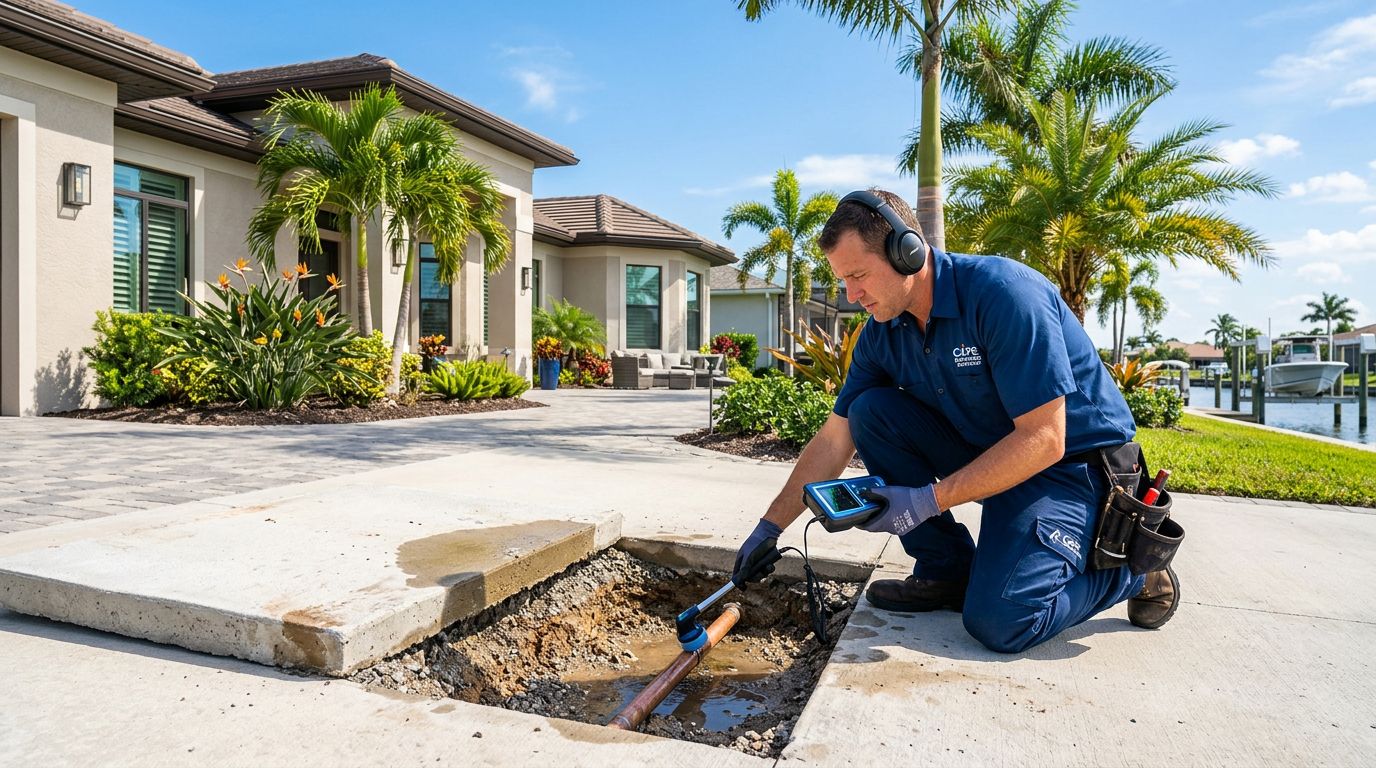
| Leak detection | $150 to $600 | Finding the exact leak location |
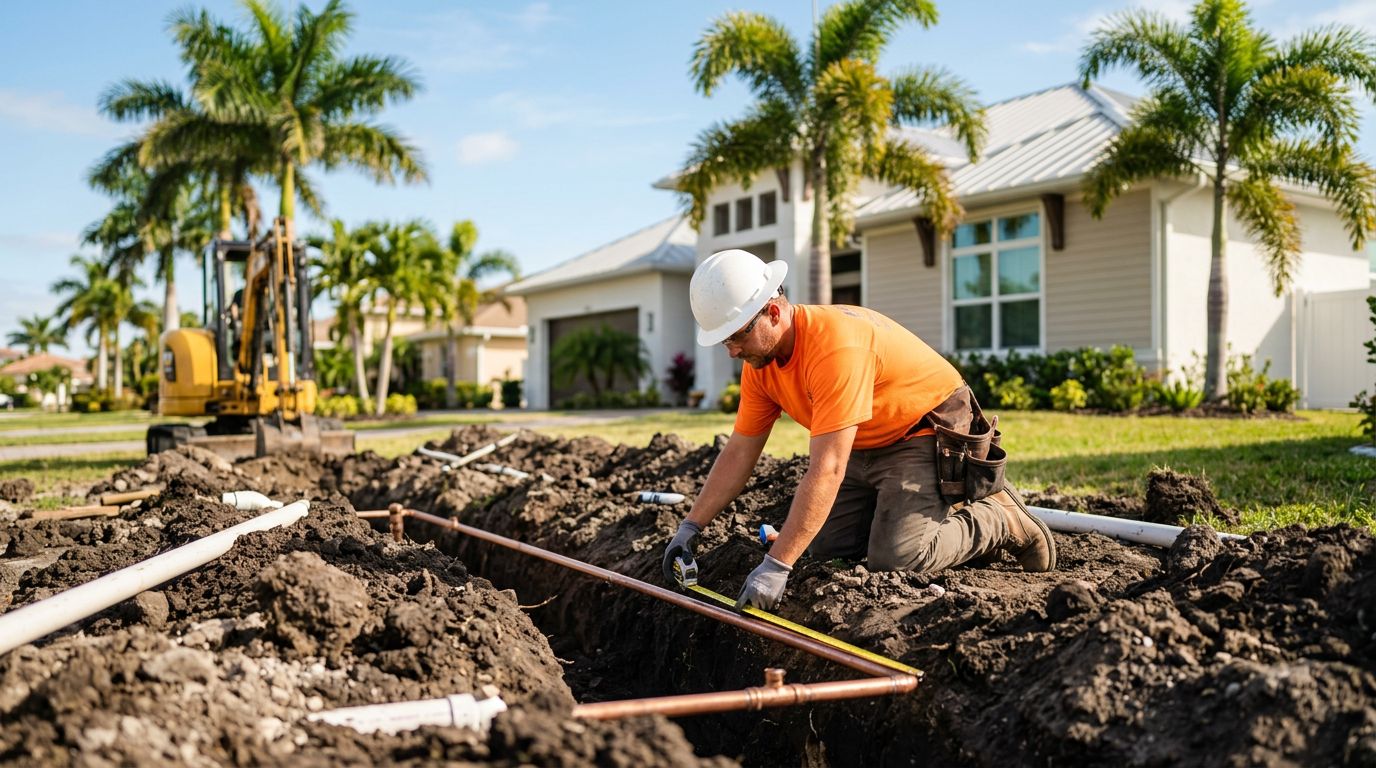
| Cutting concrete and accessing the pipe | $500 to $3,000 | Breaking through the slab and opening the repair area |
| Pipe repair at the leak point | $200 to $3,000 | Fixing or replacing the damaged section |
| Rerouting the line | $1,500 to $4,500 | Running a new pipe path around the slab |
| Partial or full repipe | $4,000 to $15,000+ | Replacing larger sections of aging plumbing |
| Restoration work | $500 to $5,000+ | Flooring, drywall, paint, trim, or cabinetry repairs |
The numbers can overlap, because one job often includes more than one line item. A leak might need detection, a slab cut, a pipe patch, and then tile repair.
The main takeaway is simple. A basic slab leak repair is one bill. A leak plus restoration is a much bigger project.
What pushes the price up or down
Several details change the final number, and each one matters more than many homeowners expect.
Leak location is usually the biggest factor. A leak near an open hallway is easier to reach than one under a kitchen island, shower, or built-in cabinet. Tight access means more labor, more mess, and more repair time.
Pipe material also changes the cost. Copper, CPVC, and PEX each behave differently when a repair crew opens the slab. Older piping can be harder to patch cleanly, especially if corrosion or repeated wear is part of the problem.
Foundation type matters too. Most Cape Coral homes use slab-on-grade construction, which is common in Southwest Florida. Still, additions, enclosed patios, and remodel changes can make the layout more complicated. If the home has had past work done, the plumber may need extra time to trace lines correctly.
Accessibility can move the price by hundreds or even thousands of dollars. Easy access saves time. Hidden lines behind tile, under heavy cabinetry, or through finished rooms do the opposite.
Permitting and inspections may apply when the repair turns into a reroute or larger plumbing change. Those fees are not huge in every case, but they can still show up on the final invoice.
A low quote can look good until restoration gets added. Compare each line item, or the final bill may surprise you.
If the plumbing is old and the same problem keeps returning, a full cost of repiping a house in Cape Coral may make more sense than another patch.
What a good estimate should include
A clean estimate should separate plumbing work from repair work. That makes it easier to compare bids and spot missing items.
A solid quote usually includes:
- Leak detection and diagnosis
- Labor to open the slab or reach the pipe
- Pipe repair, replacement, or reroute
- Materials and fittings
- Pressure testing after the repair
- Cleanup tied directly to the plumbing job
It may also include temporary water shutoff planning or scheduling for follow-up access.
What often gets left out is just as important. Many estimates do not include major flooring replacement, custom cabinetry repairs, mold work, repainting across several rooms, or upgraded finishes that match the original materials. Some quotes also leave out permit fees, inspection fees, and restoration beyond the exact repair area.
A good estimate should say where the leak is located, how the plumber plans to reach it, and what happens if the damage is worse than expected. If that information is vague, the final price can drift upward later.
The best question to ask is simple: what is included, and what becomes extra if the floor, wall, or cabinet needs more work than planned?
Repair, reroute, or repipe, which one fits the problem
A slab leak repair does not always mean cutting the same spot and patching the pipe. The better fix depends on the age of the plumbing and the layout of the home.
A spot repair works best when the leak is isolated and the rest of the plumbing is in decent shape. This is the lowest-cost option, and it can solve the issue fast if the damage is limited.
A reroute is often smarter when the pipe under the slab is hard to reach or sits under expensive finishes. Instead of opening the concrete again later, the plumber runs a new line through a more accessible path. That usually costs more up front, but it can save headaches later.
A repipe becomes more likely when the home has old pipes, repeated leaks, or more than one weak spot. In that case, fixing one leak may only buy a little time. For homeowners dealing with recurring pipe problems, a full system update can be the cleaner long-term move.
The right choice depends on the condition of the system, not just the price of this one leak. A cheap repair that fails again is not a bargain.
When water damage adds to the bill
The plumbing repair is only part of the story if water has already soaked into the home. Once tile cracks, drywall swells, baseboards warp, or cabinets get wet, the project becomes a repair-and-restore job.
Common follow-up costs can include:
- Tile or flooring replacement
- Drywall removal and replacement
- Baseboard and trim work
- Painting
- Cabinet repairs or partial rebuilds
- Dry-out or mold-related work if the leak sat for too long
That's where the final bill can jump fast. A leak under a bathroom floor may need more finish work than the plumbing itself. A leak in a kitchen can be even tougher, because cabinets and counters are harder to remove and replace cleanly.
If the damage spreads beyond the pipe, professional home remodeling services can help put the space back together after the plumbing is fixed. That matters in Cape Coral homes where tile, cabinetry, and trim often need to match the rest of the house.
The longer water sits, the more likely the repair becomes a construction project. Quick action usually keeps the final cost lower.
How to keep the final cost under control
A few simple steps can help you avoid surprise charges.
First, get the leak located before approving major work. Detection fees are small compared with the cost of opening the wrong area twice.
Next, ask for a line-by-line estimate. The quote should show detection, plumbing, access, and restoration separately. That makes comparison much easier.
Then, ask whether the plumber thinks a spot repair, reroute, or repipe makes the most sense. A contractor who only offers one answer may not be looking at the full picture.
Finally, move quickly if you see new moisture, warm spots, or rising water bills. Waiting rarely saves money with slab leaks. It usually does the opposite.
Conclusion
In Cape Coral, the slab leak repair cost in 2026 usually starts with detection and ends with how much of the home has to be opened and put back together. A simple leak may stay in the low thousands, while a hard-to-reach pipe with restoration can cost much more.
The biggest price drivers are still the same, leak location, pipe material, access, foundation layout, permits, and the amount of finish work needed after the pipe is fixed. When those parts are clear on the estimate, the rest of the decision gets easier.
A line-item quote gives you the cleanest picture of the real cost, and that matters more than the first number you hear.


Get a Free Estimate
Considering building a new home in Southwest Florida or remodeling your current home to make it your dream house? Contact us today to start the planning process.
Fill out the form or call (239) 565-9486