
2026 Second-Story Addition Cost in Cape Coral, FL
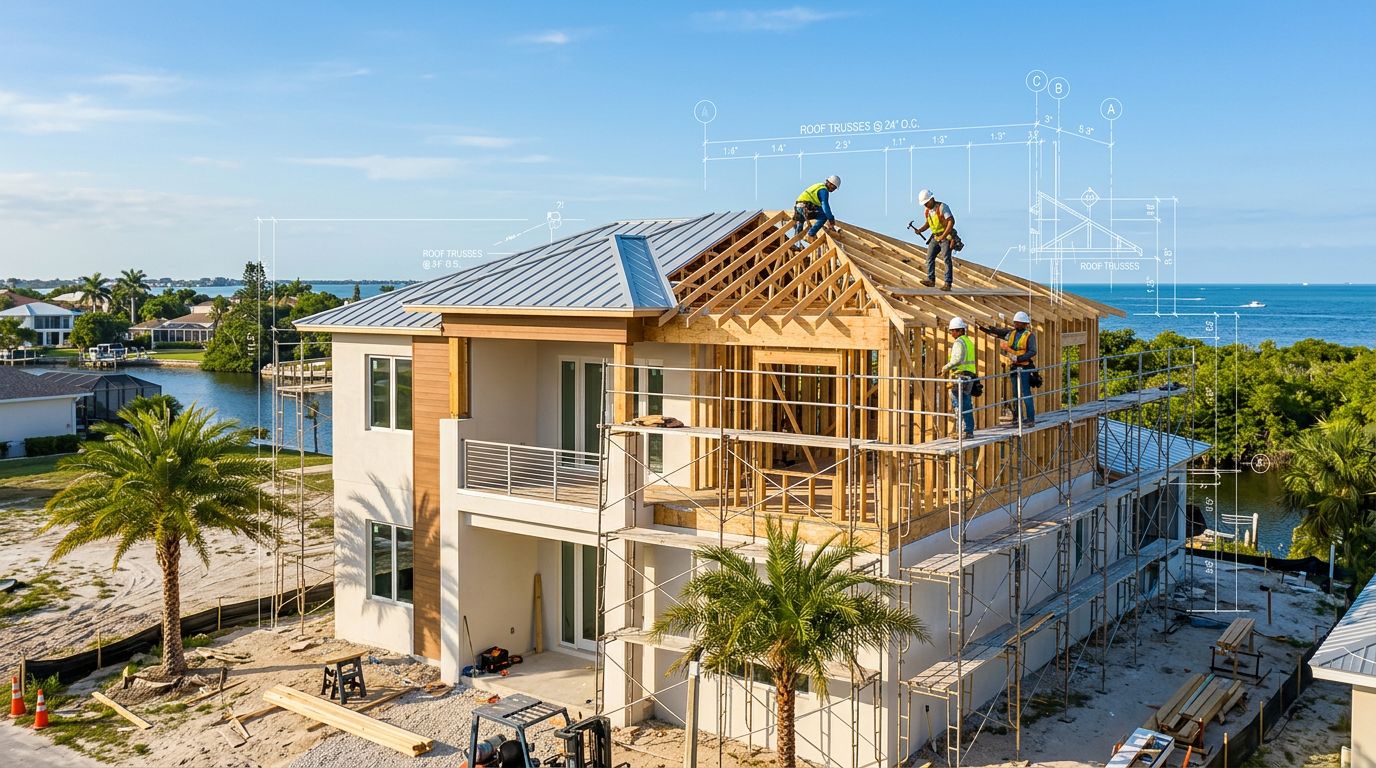
Adding a second floor can change a Cape Coral home fast, and the price can climb just as quickly. In 2026, the second story addition cost in Cape Coral usually lands between $220 and $350 per square foot , while more complex projects can go higher.
That range catches a lot of homeowners off guard. The bill covers more than new rooms, because it also includes structural work, roof changes, engineering, permits, and hurricane-related upgrades. Once you break the project into pieces, the numbers make a lot more sense.
What Cape Coral homeowners should budget in 2026
Most second-story additions in Cape Coral are not small jobs. They touch the structure, the roof, and often the first floor too. That is why the cost can sit closer to a major remodel than a simple room addition.
For many homeowners, the safest starting point is the middle of the range. A project with standard finishes and normal site conditions often falls around $250 to $350 per square foot . Smaller or simpler jobs may stay near the low end, while larger designs with more custom work move up fast. This is where professional home remodeling in Cape Coral can overlap with structural addition work, because the scope often goes far beyond cosmetic updates.
| Project type | Price per sq ft | Approx. total for 1,000 sq ft | Best fit |
|---|---|---|---|
| Lower-complexity build | $220 to $275 | $220,000 to $275,000 | Simple layout, fewer plumbing changes, modest finishes |
| Typical mid-range build | $250 to $350 | $250,000 to $350,000 | Most Cape Coral projects with standard structural changes |
| High-end or complex build | $350 to $400+ | $350,000 to $400,000+ | Major reinforcement, premium finishes, more code work |
A 1,000-square-foot second floor is a good reference point, because it shows how fast the budget grows. If the home needs more structural support, stronger roof tie-ins, or higher-end finishes, the total can push past $400,000 . Smaller square footage helps, but only if the house can support the addition without major surprises.
What drives the price higher
Structural reinforcement comes first
The hidden structure often sets the tone for the whole budget. Before the new rooms go up, the builder has to confirm that the existing home can carry the added load. That can mean stronger beams, new footings, additional framing, or other changes inside the walls.
Older homes can need more work here. If the original house was never built with a second level in mind, the engineer may call for upgrades that homeowners do not see from the street. Those upgrades matter because they protect the new floor and the home below it.
A second story on a house that already has strong framing is one thing. A second story on a home that needs major support is something else entirely.
Roof removal, stairs, and floor-plan changes
The roof usually has to come off, at least in part. That means demolition, protection from weather, new framing, and a careful tie-in so water stays out. Roof work is one of the biggest reasons the second-story addition cost climbs faster than people expect.
Stairs also take up more room than many families plan for. A new stair run can change the first-floor layout, move walls, or reduce usable space on the main level. If the project includes a new bathroom, laundry room, or extra HVAC work, the price rises again.
The more the addition changes the flow of the house, the more labor and coordination it needs. That is true even when the square footage looks modest on paper.
Engineering, materials, and labor all matter
Plans and calculations are part of the real budget. You need structural drawings, permit sets, and inspections before the work can move ahead. Those soft costs are easy to overlook, but they are not optional on a project this size.
Materials also move the number around. Lumber, sheathing, roofing, insulation, drywall, impact-rated windows, and exterior finishes all have their own price ranges. Finish level matters too. Basic trim and standard fixtures cost less than custom millwork, premium flooring, and upgraded cabinets.
Labor is another real factor in Southwest Florida. Skilled crews are busy, and projects that involve structural work, storm repairs, and full remodels need experienced people who know local code. That adds cost, but it also reduces mistakes.
Why Cape Coral permits and flood rules matter
Local code can change the budget before framing even starts. Cape Coral and Lee County require permits, plan review, and inspections that match Florida building rules. That process protects the house, but it also adds time and cost.
The biggest surprises are often under the roofline, not in the finish choices.
Floodplain reviews can change the plan
If the property sits in a flood zone, the design may need extra elevation work or other changes to meet flood requirements. That can affect the finished-floor height, the way stairs connect to the first floor, and where mechanical equipment sits.
Even lots that are not in the toughest flood areas still need careful planning. Drainage, site grade, and water flow all matter. A second floor changes the way the whole home works with the lot, so the permit team may ask for more detail than you expected.
In some cases, the flood review has a ripple effect. It can affect the foundation plan, the utility placement, and parts of the first floor that sit under the new addition.
Wind mitigation and roof tie-in add cost too
Cape Coral homeowners also need to think about wind resistance. Florida building rules focus on how a home handles high winds, so a second-story addition often triggers stronger roof-to-wall connections and other upgrades.
New openings may need impact-rated windows or doors. If the roof is near the end of its life, it may make sense to replace more of it during the project. That adds cost now, but it helps avoid opening the same area twice later.
A second-story addition often fits within broader storm-conscious work, especially when the home needs stronger openings, better roof connections, or a full exterior refresh. When that happens, a project can feel closer to a whole-home renovation than a single upgrade.
What a good bid should include
A clean bid is easier to trust than a low number with missing scope. For a project like this, the quote should show what is included, what is an allowance, and what could change after the first inspection.
Here is a simple way to compare bids side by side.
| Budget item | What it covers | Why it matters |
|---|---|---|
| Design and engineering | Plans, calculations, and permit drawings | Needed before work can start |
| Demolition and prep | Roof removal, protection, site setup | Affects labor and weather risk |
| Structural framing | New walls, beams, and load support | Protects the home below |
| Roof and weatherproofing | Tie-in, underlayment, flashing, shingles | Prevents leaks and future damage |
| Mechanical and electrical work | HVAC, plumbing, wiring, panels | Changes fast with layout choices |
| Windows, doors, and finishes | Impact products, flooring, trim, cabinets | Can swing the final price a lot |
A bid that leaves out permits or HVAC changes is not really cheaper. It is just incomplete. Ask for the full picture before you compare numbers, because the lowest estimate can become the most expensive one once change orders start.
If the home needs so much structural work that the old shell becomes a problem, some owners also compare the project with new home construction in Cape Coral. That comparison makes sense when the house needs major repair along with the addition.
A practical budget also needs a cushion. Many homeowners set aside 10% to 15% for surprises, especially on older houses or properties with complex roof lines. That reserve helps when the engineer finds a weak point or when the scope shifts after opening walls.
Conclusion
A second-story addition in Cape Coral is a major build, not a simple add-on. In 2026, most homeowners should plan around $220 to $350 per square foot , with more complex jobs climbing higher.
The final price depends on the house itself. Structural support, roof changes, floodplain rules, wind mitigation, and finish choices all shape the total. Two homes with the same square footage can have very different budgets once the real work starts.
A careful site review gives you the clearest number. Once you know what the home needs under the new floor, the rest of the budget becomes much easier to control.

Get a Free Estimate
Considering building a new home in Southwest Florida or remodeling your current home to make it your dream house? Contact us today to start the planning process.
Fill out the form or call (239) 565-9486