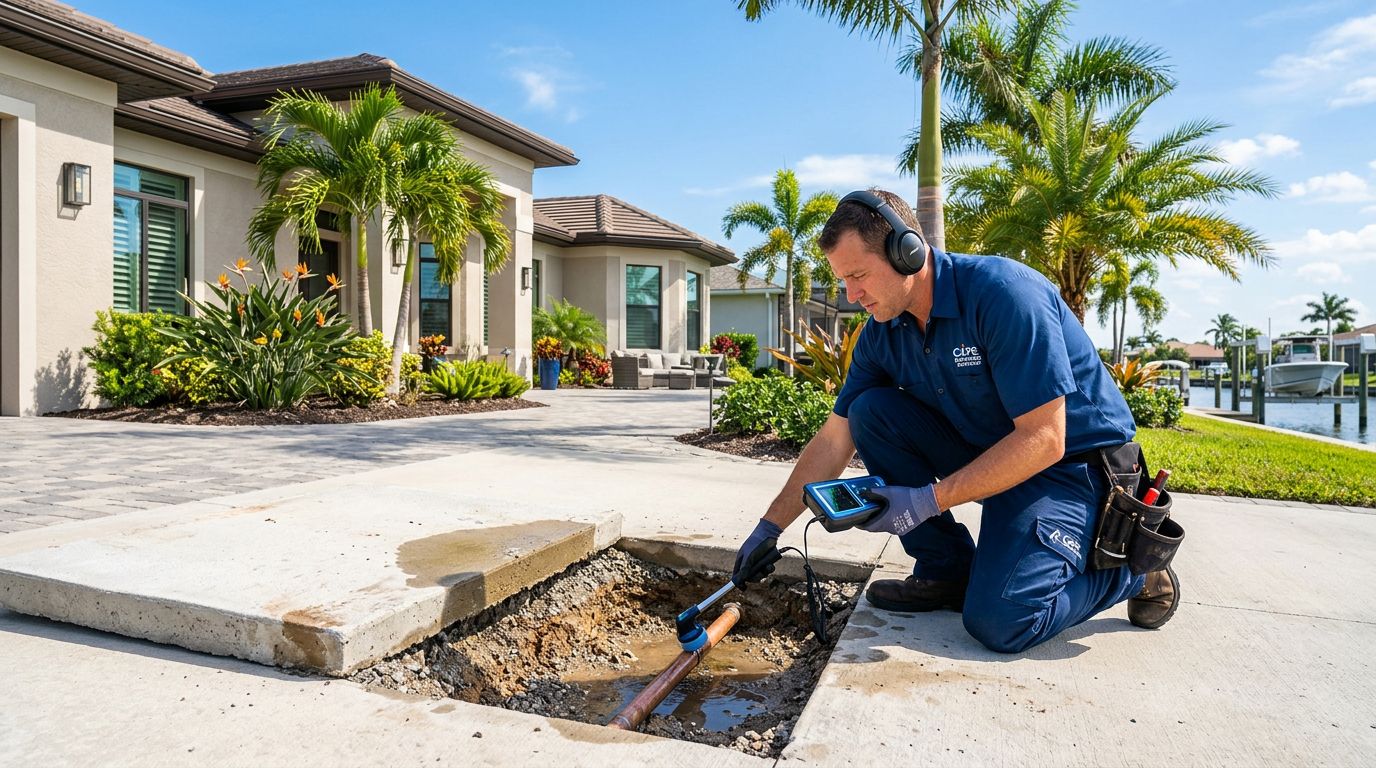
2026 Cost to Bring Fill Dirt to a Cape Coral Lot

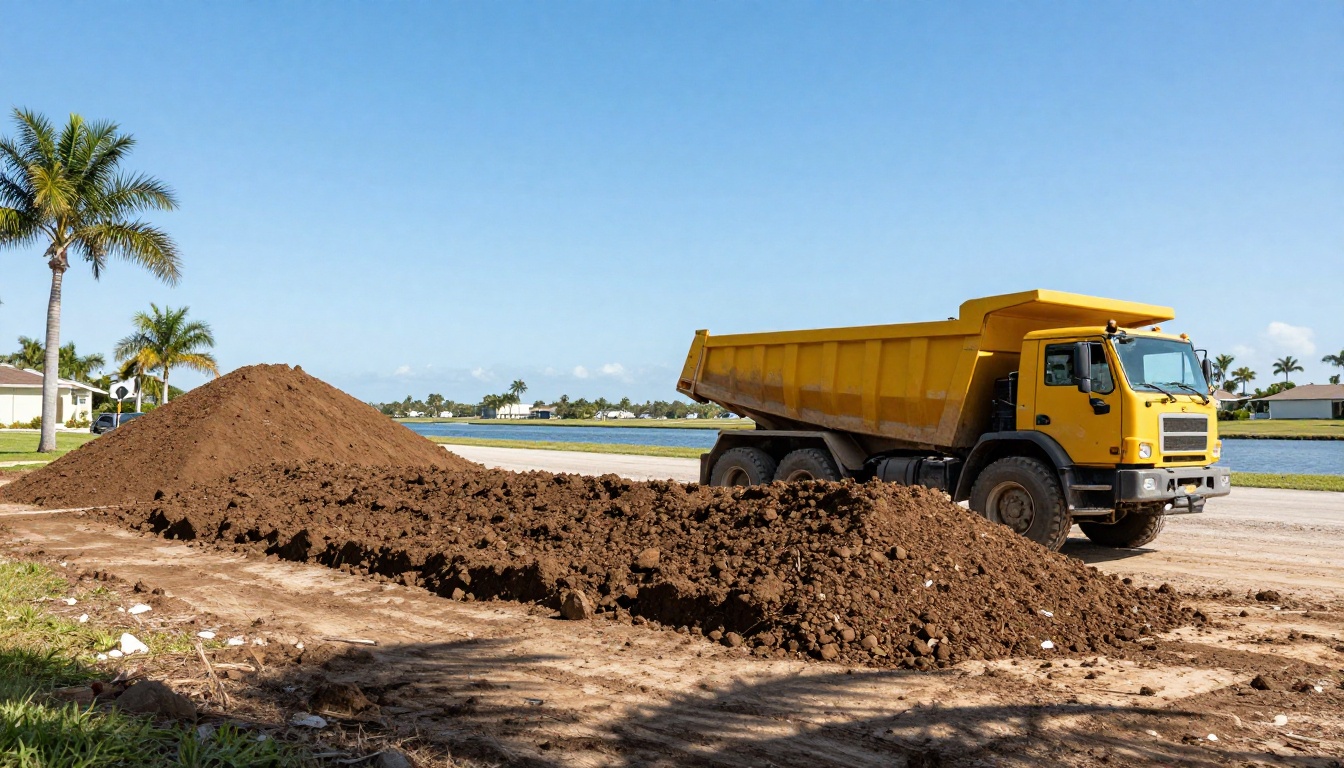
How much does it cost to bring fill dirt to a Cape Coral lot in 2026? For most residential jobs, the cape coral fill dirt cost falls around $20 to $45 per cubic yard delivered for clean fill. A standard 10 to 12-yard truckload often lands between $200 and $550. If you need multiple loads, rough grading, or compaction, the total can move into the low thousands.
That range matters because fill dirt isn't just a dump-and-go item. On a Cape Coral homesite, it affects pad height, drainage, and how the lot performs after heavy rain. If you're budgeting a build from the ground up, it helps to understand how this fits into the broader cost to build a new home in Cape Coral. Good planning here can save money later.
What the 2026 price usually includes
For most new home lots, contractors use clean fill dirt , not topsoil. Clean fill is basic soil used to raise grade, fill low spots, and support future site work. It should be free of trash, roots, and large debris. Topsoil costs more because it's screened and better for planting, often around $30 to $50 per cubic yard, and sometimes more for premium blends. In other words, topsoil belongs near the finish line, not under the pad.
That difference changes the price fast. Clean fill usually costs less, while topsoil runs higher because it has more processing behind it. If a quote seems high, check what material they're actually bringing. A homeowner asking for "dirt" may get priced for a better grade than the job needs.
Delivery also shapes the number. One truckload is often 10 to 12 cubic yards, but a small order can still carry a truck minimum. Local hauls in Cape Coral may add a modest fee, while longer runs raise the total. Rush delivery and wet material can also push the rate up, because both slow the job and add handling.
A low per-yard price can be misleading if the quote leaves out delivery, spreading, or grading.
Some suppliers quote dirt only. Others include delivery to the curb, but not placement on the lot. For that reason, ask whether the price covers dumping, skid steer or loader work, rough grading, and any return trip if the first load isn't enough. If you're close to final plans, it also helps to match the dirt quote with your builder's site plan.
Why one Cape Coral lot costs more than another
Access is the first big swing factor. An open inland lot is easier and cheaper than a tight site with fences, trees, soft ground, or a narrow drive. If trucks can't back in cleanly, the crew may need smaller loads or more machine time. Canal lots can add their own headaches, especially if the staging area is limited or the edge needs care during placement.
Next comes elevation and drainage. Some lots only need a few inches in select areas. Others need a broader lift to meet plan grade or support drainage away from the house. In Cape Coral, that can matter more than people expect, especially on low lots or sites with flood-zone rules. Before you sign off on yardage, review Cape Coral flood zones for new builds and confirm lot-specific requirements with your contractor or the City of Cape Coral. Many simple deliveries don't need a permit by themselves, but bigger grading or drainage changes can trigger review.
Then there are the work items beyond delivery. Compaction often adds about $1 to $3 per square yard. Grading can add about $1 to $5 per square yard, depending on how much shaping the lot needs. If fill is going under a slab, drive, or other load-bearing area, compaction matters. Loose dirt is like a fluffed pillow, it looks full until weight and rain press it down.
Settling is another common surprise. Fresh fill can shrink after rain, wheel traffic, and time. Because of that, many contractors order a small buffer or expect a return load later. That doesn't mean the first estimate was wrong. It means dirt moves, and Cape Coral weather doesn't leave it alone for long.
How to avoid surprise charges
The best quote is the one you can compare line by line. Ask for the dirt type, estimated cubic yards, number of truckloads, hauling charge, machine work, grading, and whether compaction is included. Also ask if the price assumes a simple dump or full placement across the lot.
A site visit helps because photos rarely tell the whole story. What looks flat online may need more fill once the builder checks elevations and drainage flow. That's one reason experienced builders follow a clear Cape Coral home building process from lot review through site prep. Small site decisions can turn into expensive fixes once the job starts.
Small, medium, and large fill examples
A cubic yard disappears faster than most owners expect. At 4 inches deep, one cubic yard covers about 81 square feet. At 6 inches deep, it covers about 54 square feet. That's why a "few inches" across a full lot can mean several truckloads.
Here is a simple way to picture common 2026 price ranges.
| Scenario | Approx. fill needed | Dirt + delivery | Common extras |
|---|---|---|---|
| Small partial fill, 200 sq. ft. at 4 to 6 inches | 3 to 4 yards | $125 to $250 | Hand spreading or small machine minimums |
| Medium area, 1,000 sq. ft. at 4 to 6 inches | 12 to 19 yards | $300 to $760 | 1 to 2 loads, rough grade, possible compaction |
| Large lot raise, 5,000 sq. ft. at 4 to 6 inches | 62 to 93 yards | $1,500 to $3,700 | Multiple loads, machine time, grading, maybe more dirt after settling |
The takeaway is simple. Small partial fills are often manageable, even with delivery minimums. Medium jobs usually cost more because the second load, not the first, changes the budget. Large lot work feels cheaper per yard, yet the full bill rises fast once trucking, grading, and compaction are added.
If you're prepping for a new home, don't forget the final surface layer. Clean fill builds the base, but you may still need topsoil in selected areas for sod or planting beds. That finish layer costs more, so keep it separate in the quote. Mixing the two can make a fair bid look inflated.
The bottom line on Cape Coral fill dirt cost
For 2026, the typical Cape Coral fill dirt cost is reasonable for small jobs and worth careful measuring for lot prep. Clean fill is usually the right base material, while topsoil is a finish product with a higher price. Most cost swings come from hauling, access, grading, compaction, and how much extra dirt the lot needs after settling. Get the lot checked early, verify any drainage or permit triggers with the City of Cape Coral or your contractor, and compare quotes line by line before the first truck arrives.


Get a Free Estimate
Considering building a new home in Southwest Florida or remodeling your current home to make it your dream house? Contact us today to start the planning process.
Fill out the form or call (239) 565-9486