
Wind Mitigation Inspection In Cape Coral Explained For Homeowners
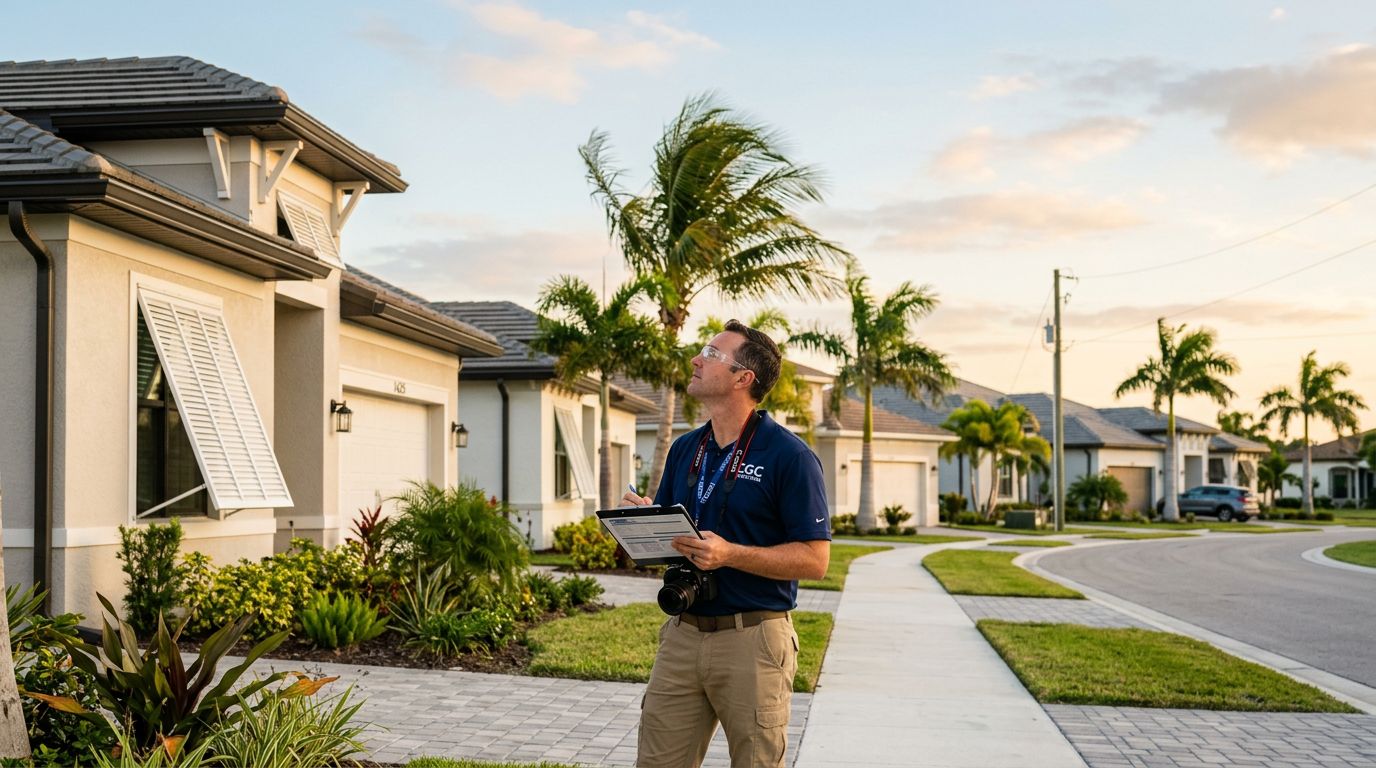
Home insurance in Cape Coral can feel like a moving target. Rates change, underwriting gets stricter, and carriers want proof that a home can handle storm season.
That's where a wind mitigation inspection comes in. It's a short, photo-backed report that documents wind-resistant features, using Florida's standard form, OIR-B1-1802 . When your home earns credits, your insurer may apply discounts on the wind portion of your premium.
Below is a plain-language guide to cape coral wind mitigation, what inspectors look for, how the form works, and when upgrades are worth it.
What a Cape Coral wind mitigation inspection is (and what it isn't)
A wind mitigation inspection is an insurance inspection, not a construction inspection. The goal is simple: verify which hurricane-resistance features your home actually has , then list them on the OIR-B1-1802 form with supporting photos.
In Cape Coral and Lee County, many homeowners schedule one when they:
- shop for a new policy,
- renew and get asked for updated documentation,
- install a new roof, impact windows, or shutters,
- buy a home and want credits reflected right away.
Most inspections are visual and non-destructive. The inspector may access your attic to confirm how the roof deck is fastened and how the roof connects to the walls. They also photograph roof geometry, permit labels (when available), and any opening protection.
This inspection is also different from a 4-point inspection. A 4-point focuses on roof condition, electrical, plumbing, and HVAC. Wind mitigation focuses on storm features that can qualify for credits.
A common surprise: a "newer" home doesn't always get strong credits. If the inspector can't verify attachments or protection with photos or paperwork, the form may default to a lower category.
As of March 2026, Florida's OIR-B1-1802 form has an updated version scheduled to be effective April 1, 2026, so you may see slightly different formatting or prompts depending on when your report is completed.
How the OIR-B1-1802 form works (and where credits come from)
Think of OIR-B1-1802 like a scorecard. It groups features into major credit categories, then your insurer decides how much each verified feature is worth on your policy.
Here are the big sections homeowners should understand before a cape coral wind mitigation inspection:
Roof covering and roof age (documentation matters)
The form records the roof covering type (shingle, tile, metal) and asks for permit or installation info when available. Insurers often care because newer roofs are usually installed under newer code requirements, and that can affect eligibility for certain credits. Keep your permit final, contract, and invoice in an easy-to-find folder.
Roof shape (hip vs gable)
Roof shape is one of the easiest items to verify from photos. In general, hip roofs tend to perform better in high winds than large gable ends, so hip geometry often earns better treatment. Mixed shapes happen a lot in Cape Coral, especially with additions and enclosed lanais, so the "percent hip" calculation can matter.
Roof deck attachment (the nails you never see)
This section looks at how the plywood or OSB roof deck is fastened to the trusses. The inspector usually confirms this from the attic by measuring nail type and spacing. Tighter nail spacing and larger nails can support a stronger category, which can help with credits.
Roof-to-wall connection (clips and straps)
This category checks how the roof structure is tied into the walls. Common options include toe nails, clips, and single or double straps. Better connections generally mean the roof is less likely to lift during hurricane winds.
Secondary water resistance (SWR)
SWR is an extra layer intended to reduce water entry if the roof covering fails. Many homeowners assume underlayment automatically counts, but the form is looking for specific systems and verifiable installation details. If you're planning a reroof, it helps to understand underlayment choices and hurricane ratings ahead of time. This Cape Coral roof replacement guide breaks down options in a homeowner-friendly way.
Opening protection (windows, doors, shutters)
Opening protection is about wind pressure and flying debris. The inspector documents whether windows, glazed doors, garage doors, and shutters meet rated protection requirements. Mixed protection often earns mixed results, meaning one unprotected opening can reduce or eliminate the credit in some cases.
To keep expectations realistic: credits vary by insurer . Two neighbors can have the same form results and still see different premium changes because policy forms, coverages, and rating rules differ.
Step-by-step: booking the inspection to getting your discounts applied
The process is straightforward, but small prep steps can prevent delays.
- Book the inspection Choose a Florida-licensed professional who is allowed to complete the form (commonly a licensed home inspector, engineer, architect, or contractor). When you schedule, ask what access they'll need, especially attic access.
- Get your home ready for the day-of visit Clear a path to the attic hatch and set aside roof permits, window and door paperwork, and any product approvals you received during upgrades. If you've had storm repairs, gather the invoices.
- What happens during the inspection Many inspections take around an hour or two. The inspector will photograph the roof shape, roof covering, and protection features. In the attic, they'll confirm deck attachment and roof-to-wall connection details.
- Receive the report and photos You should get the completed OIR-B1-1802 form plus photos. Don't skip reviewing it. Confirm basic items like address, year built, and that the photos match your home.
- Send it to your agent or insurer Email the form and photo pages to your agent and ask for written confirmation once credits are applied. Keep a copy for future renewals and resale.
How long do wind mitigation discounts last?
Many insurers treat wind mitigation reports as valid for a set period, often up to about five years , unless something changes. You may need a new inspection sooner after:
- a new roof installation,
- new impact windows, shutters, or doors,
- major storm damage repairs,
- an insurer request due to form age or underwriting review.
Before you upgrade: improvements that usually help (and ones that often don't)
It's tempting to chase credits like they're coupons. In practice, the best upgrades are the ones that also improve safety and reduce damage risk.
Improvements that often move the needle
- Reroof with verifiable attachments and details : A permitted reroof can improve roof covering documentation, deck attachment categories, and sometimes SWR if installed and documented correctly.
- Add real opening protection : Impact-rated windows, doors, and properly rated shutters can improve the opening protection section when the inspector can verify ratings and coverage. For homeowners weighing options, impact windows and door installation in Cape Coral is a good starting point for understanding what "rated" means in real projects.
- Improve roof-to-wall connections during major work : This can be feasible during certain remodel scopes, but it's not a quick weekend project.
Changes that often disappoint homeowners
Cosmetic roofing work, like swapping a few tiles, usually won't change the form category. The same goes for "hurricane film" on windows if it isn't part of a rated system, or partial shutter coverage that leaves key openings unprotected. Paperwork issues also block credits, even when the product is strong.
If you're building new, a smart plan is to bake wind-resistant choices in from day one, instead of retrofitting later. This article on common mistakes when building a new home in Cape Coral highlights where homeowners lose money and time.
Quick disclaimer: Insurance requirements and discounts vary by carrier and policy, and this article is not legal or insurance advice. Always confirm details with your agent and insurer.
Conclusion: make cape coral wind mitigation work for you
A wind mitigation inspection isn't paperwork for paperwork's sake. It's a way to prove what your home can handle, using the OIR-B1-1802 form and clear photos.
When you understand the categories, you can prep better, avoid upgrade regrets, and time improvements to match real remodeling or building plans. If your goal is a safer home and a fairer premium, cape coral wind mitigation is a practical place to start.
Get a Free Estimate
Considering building a new home in Southwest Florida or remodeling your current home to make it your dream house? Contact us today to start the planning process.
Fill out the form or call (239) 565-9486