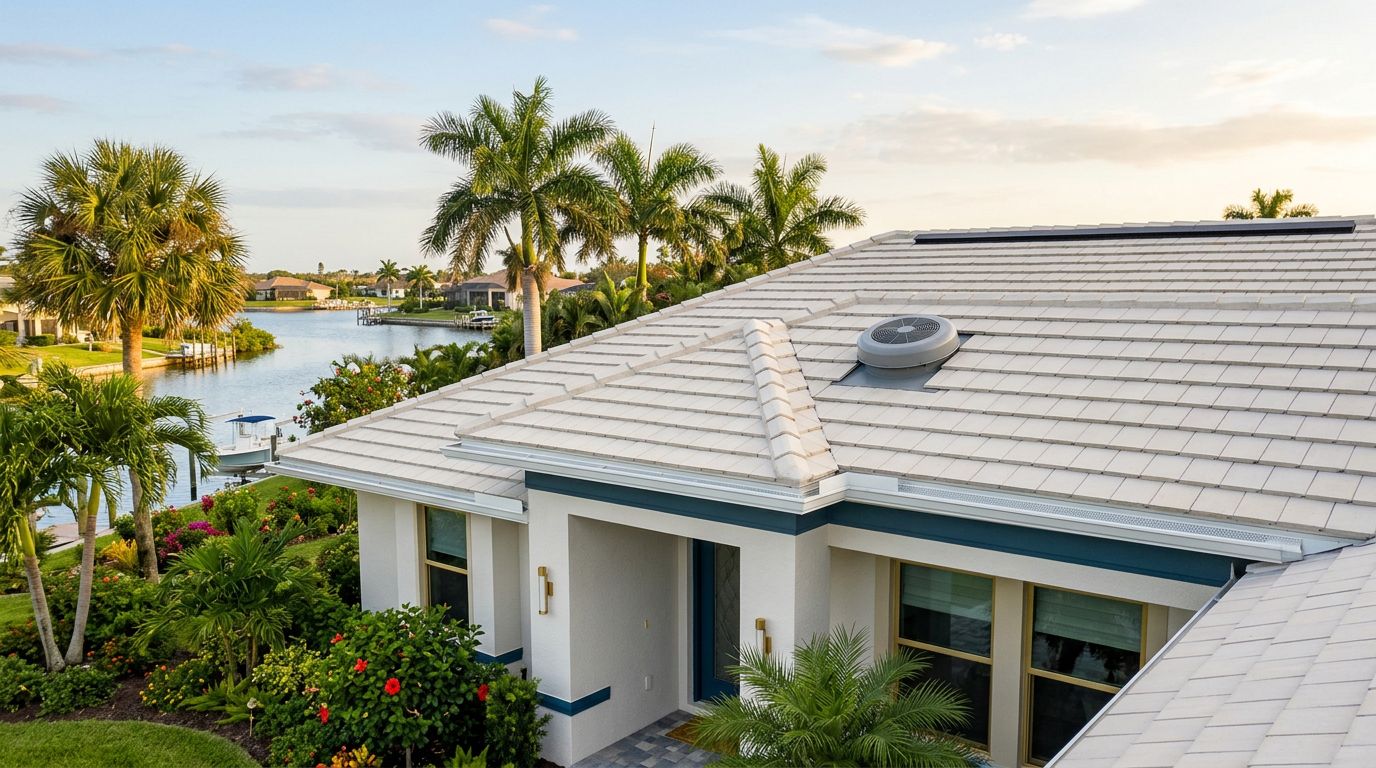
2026 Cost To Retrofit Hurricane Straps In Cape Coral FL

2026 Cost To Retrofit Hurricane Straps In Cape Coral FL

If you own a home in Cape Coral, you already know storms don't care how nice the kitchen looks. They test the bones of the house. One of the most important "bones" is the roof-to-wall connection, the metal hardware that helps keep your roof tied to the walls when wind tries to lift it like a soda can tab.

In 2026, most cape coral hurricane straps retrofits land between $850 and $2,500 for a typical home, with simpler projects sometimes lower and harder layouts pushing $5,000+ . The big swing usually comes down to access, not the price of metal.

What you're really buying with a hurricane strap retrofit

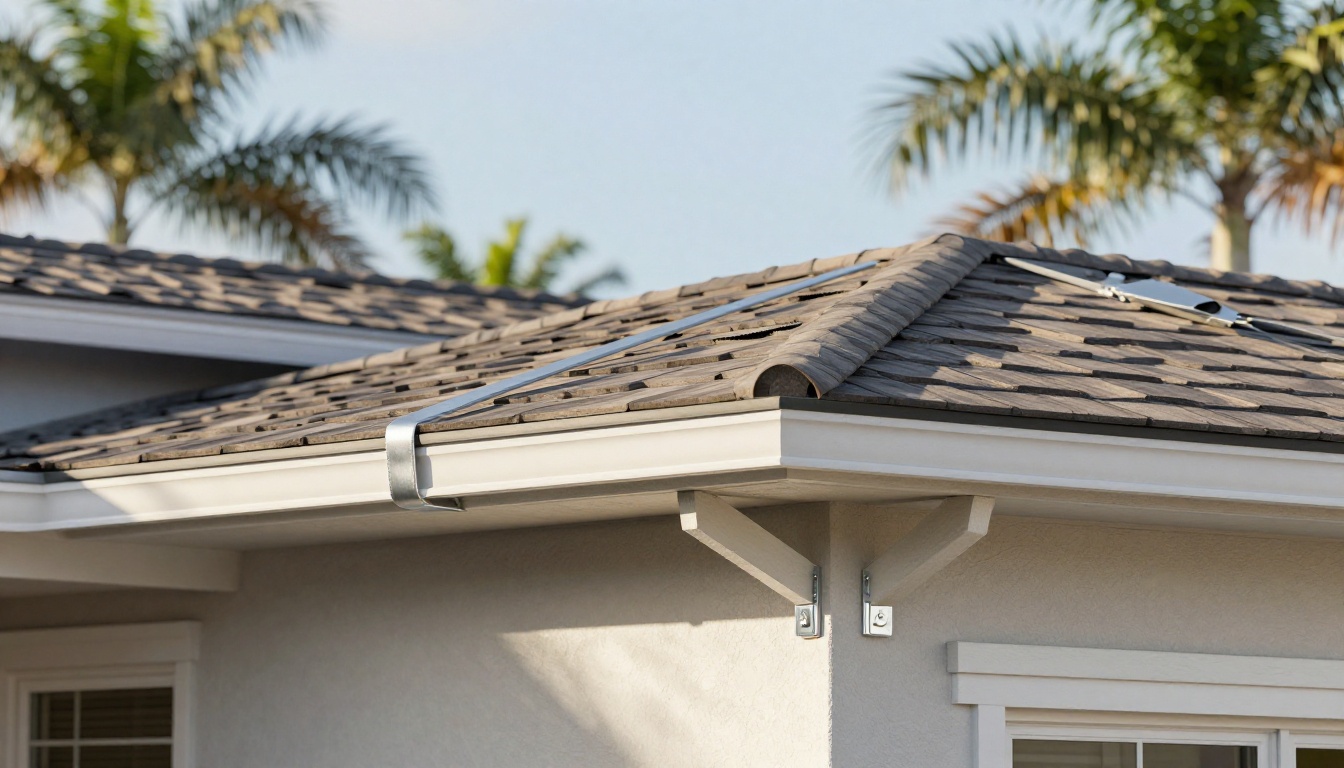
A hurricane strap retrofit strengthens the connection between your roof framing (trusses or rafters) and the top of your walls. Older Florida homes often used "toe-nailing," which is basically nails driven at angles. It works until wind loads rise and the roof wants to peel up.

Retrofits usually add metal connectors in areas the inspector can verify, typically at each truss along exterior walls where access allows. The goal is a continuous load path, meaning wind forces can travel safely from roof to walls to foundation.

Hurricane clips vs hurricane straps vs structural connectors (plain English)

These terms get mixed up in conversations and quotes, so it helps to separate them:

  • Hurricane clips : Smaller metal connectors (often a compact L-shape or plate style) that tie the truss to the wall's top plate. They're common in retrofits because they can fit in tight spaces.
  • Hurricane straps : Longer metal ties that can wrap over or around more of the truss, depending on the style and installation. In many cases, straps provide a stronger tie than a basic clip, but the "best" choice depends on what you can physically access and what the approved connector requires.
  • Structural connectors (category) : The umbrella term for clips, straps, hold-downs, anchors, and other hardware that ties framing members together. In retrofit bids, this can also include blocking , extra fasteners, or specialty connectors when framing isn't standard.

Gotcha: The connector itself might cost a few dollars, but the labor to reach each connection point is what usually sets the price.

Also keep in mind that insurance and permitting language matters. Some wind mitigation forms give credit based on the type of roof-to-wall connection and how many are visible and properly installed. That's why photos and documentation are just as valuable as the metal.

2026 Cape Coral hurricane straps cost ranges (with assumptions)

Pricing in Cape Coral is tied to the same two realities homeowners feel everywhere in Southwest Florida: labor is expensive, and anything that requires careful access takes time. Based on current 2026 market ranges, most retrofits fall in the bands below.

Here's a simple way to budget, assuming a typical single-family home and a licensed contractor doing the work.

Home size and complexity (Cape Coral typical) Low Typical High
Small one-story (under 1,500 sq ft) $500 $850 to $1,200 $1,800
Mid-size (1,500 to 2,500 sq ft, 1 to 2 stories) $850 $1,000 to $2,500 $3,500
Large or complex (over 2,500 sq ft, multi-story, tough access) $2,500 $3,000 to $5,000 $5,000+

Those totals assume you're retrofitting accessible roof-to-wall connections and not rebuilding framing. Your quote can move fast if access requires more finish work.

What the money usually covers (and what it often doesn't)

Most cape coral hurricane straps projects are a blend of materials, labor, and the "in-between" items, like getting into the work area and restoring it afterward.

Typical line item (installed) Low Typical High
Connectors and fasteners (40 to 300 pieces, varies by home) $50 $150 to $600 $2,000
Labor (often 8 to 20 hours total) $400 $800 to $2,000 $3,000+
Permit allowance (when required) $0 $100 to $300 $300+
Access and repairs (soffit removal, drywall cuts, patch, paint) $0 $250 to $1,200 $2,500+

Takeaway: if two quotes are far apart, it's often because one includes access repairs and one doesn't. Always ask what the "finish line" is.

Exact requirements still depend on your home's design and the current permit rules being enforced for your address (City of Cape Coral vs unincorporated Lee County, plus the project scope).

Access and scope: why some retrofits are simple and others get messy

Think of this job like wiring a house after drywall goes up. The parts are cheap. Reaching them is the whole game.

Many homes allow retrofit work from the attic, especially one-story layouts with clear attic paths. Other homes have tight truss bays, low-slope areas, or blocked access at the eaves. That's when crews may need to remove soffit panels, make small access cuts, or open sections of drywall to reach each truss connection.

Common access scenarios in Cape Coral homes

  • Attic access (best-case) : A crew enters through the attic hatch and works along exterior walls. Pricing stays closer to the low to typical ranges.
  • Soffit access (very common) : The crew removes soffit panels at the eaves to reach the top plate and truss ends. This is still a normal retrofit method, but it adds labor and careful reinstallation.
  • Drywall removal (select areas) : Some homes require small interior openings, especially where trusses are tight or blocked. Drywall patching and paint matching can become a real portion of the budget.
  • Two-story and complex roofs : Access is slower and sometimes requires added safety setup. Cost rises even when the connector count is similar.

If you're planning a reroof soon, it's smart to coordinate timing. Roof work can create better access, and some upgrades pair naturally with other storm-hardening choices. For example, when homeowners weigh bigger roof decisions, this Cape Coral roof replacement hurricane ratings guide explains how code-driven upgrades can stack together.

And remember, straps are only one part of pressure control. A storm can also push hard on large openings. Many homeowners bundle roof-to-wall connection work with protection upgrades like hurricane-rated window pricing guidance or impact-rated garage door budgeting to reduce weak points.

How to get a quote you can trust in Lee County

Retrofit pricing gets confusing when bids feel vague. The fix is simple: ask for the scope in writing, and make every contractor quote the same outcome.

Here's what a solid bid should spell out, even if it's a smaller job:

  • Connector type and count assumptions : Clip or strap style, fastener type, and how many connections they expect to complete.
  • Access plan : Attic route, soffit removal areas, or interior access cuts, plus who repairs what.
  • Permit responsibility : Who pulls it, whose name it's in, and whether the fee is included.
  • Inspection plan : How they'll schedule required inspections, and what "pass" looks like.
  • Patch and paint scope : Drywall repair, texture match, caulk, primer, and paint touch-ups (or a clear exclusion).
  • Photos for documentation : Before, during, and after photos of installed connectors, because paper trails matter for resale and insurance conversations.
  • Licensing and insurance proof : Ask for their Florida license number and current insurance certificates (liability and workers' comp, when applicable). Verify them through state and carrier channels, not just screenshots.

Quick rule: If a contractor suggests skipping permits "to save money," treat that as a risk. A permit and inspection create protection you can point to later.

Finally, ask one practical question that reveals a lot: "What could make this price go up after you start?" A good contractor will talk about hidden access issues, damaged framing, or repair scope, and they'll explain how they price changes.

Conclusion

A hurricane strap retrofit isn't glamorous, but it's one of the most direct ways to strengthen a home in Cape Coral. In 2026, expect most projects to fall in the $850 to $2,500 range, with access and finish repairs deciding whether you land low or high. Get a clear scope, confirm permits and inspections, and insist on documentation. When the next storm tests your home, roof-to-wall connections are one upgrade you won't regret paying for.

By Infinity Homes March 16, 2026
A metal roof can feel like the "buy once, cry once" choice in Cape Coral. You pay more up front, but you get a roof that's built for sun, salt air, and hurricane season. So what's the real metal roof cost Cape Coral homeowners should plan for in 2026? Below you'll find current...
By Infinity Homes March 15, 2026
New cabinets can make a kitchen feel brand-new overnight. They also swing a remodel budget fast, especially once you add demo, wall repairs, and finish work. For most homeowners, the bottom line is this: Cape Coral kitchen cabinets in 2026 typically price out by the linear foo...
By Infinity Homes March 14, 2026
If you live on a canal in Cape Coral, your seawall isn't just a "nice to have." It's the edge of your property, the support behind your yard, and often the thing protecting your pool deck and dock. In March 2026, the cape coral seawall cost is still a wide range because no two...
By Infinity Homes March 13, 2026
If your roof edge looks "tired", peeling paint, soft boards, sagging panels, it's rarely just cosmetic. In Cape Coral, soffit and fascia take a beating from salt air, heat, and wind-driven rain. For soffit fascia replacement Cape Coral homeowners budget in 2026, most full proj...

Get a Free Estimate

Considering building a new home in Southwest Florida or remodeling your current home to make it your dream house? Contact us today to start the planning process.


Fill out the form or call (239) 565-9486

GET PROFESSIONAL HELP